
Datteln: German canal junction town in North Rhine-Westphalia
Overview of Datteln, a town in Recklinghausen district, North Rhine-Westphalia, noted for the world’s largest canal junction, industrial history, inland shipping and a major coal-fired power plant.
Datteln is a town in the state of North Rhine-Westphalia in Germany. Administratively part of the Recklinghausen district, Datteln has traditionally been a regional hub for inland shipping and industry. Its population was recorded at about 34,481 on 5 September 2011; the town has since continued as a small-to-medium sized municipality within the Ruhr and Münsterland transition area.
Image gallery
2 Images
Geography and waterways
Datteln is best known for its exceptional network of canals. Four major shipping canals meet within the town: the Datteln–Hamm Canal, the Wesel–Datteln Canal, the Dortmund–Ems Canal and the Rhein–Herne Canal. This confluence creates the largest canal junction in the world, giving Datteln an important role in inland navigation. Barges and freight vessels use these routes to connect industrial sites, river ports and hinterland distribution centers across the Ruhrgebiet and beyond.
History and development
The town grew from rural origins into an industrial and logistics centre during the 19th and 20th centuries, largely because of the canals and nearby coal and steel regions. Canal construction and improvements brought jobs and warehouses, while rail and road links later reinforced its role in regional supply chains. As with many towns in the Ruhr area, Datteln’s growth reflects the broader industrialisation of western Germany.
Economy and notable facilities
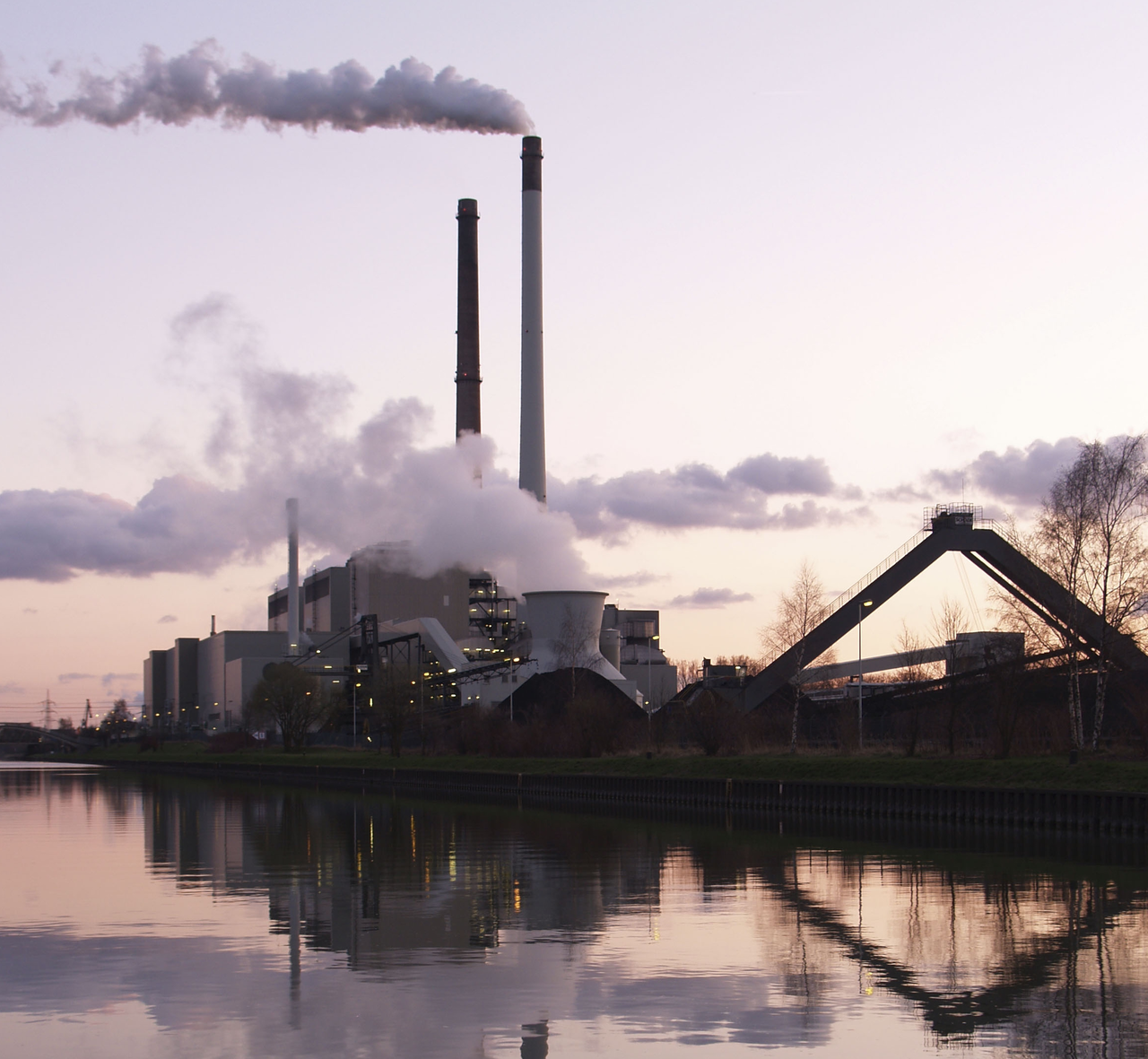
Datteln’s economy combines transport, light industry, commerce and services. A prominent and sometimes controversial feature is the large coal-fired power station operated in the town; its advanced technology and emissions profile have provoked public discussion about climate, air quality and energy policy. Reports and commentary about the facility often highlight the tension between local employment and national goals for decarbonisation. For context about coal and energy, see sources on coal-fired generation.
Transport, logistics and local life
- Inland shipping: central canal junction for barges and freight transport.
- Road and rail: regional roads and rail links connect Datteln to the Ruhr conurbation and neighbouring towns.
- Local services: retail, schools and cultural activities serve a predominantly residential population with industrial ties.
Today Datteln retains a mixed character: an industrial logistics node shaped by waterways, together with residential neighborhoods and community institutions. Its unique canal junction remains a defining feature, studied by engineers and visited by those interested in inland navigation and regional industrial history.
Questions and answers
Q: Where is Datteln located?
A: Datteln is located in the North Rhine-Westphalia state of Germany.
Q: How many people lived in Datteln as of 5 September 2011?
A: As of 5 September 2011, 34,481 people lived in Datteln.
Q: What district is Datteln in?
A: Datteln is in the Recklinghausen Rural District.
Q: How many canals intersect at Datteln?
A: Datteln is at the intersection of four canals: the Datteln-Hamm Canal, the Wesel-Datteln Canal, the Dortmund-Ems Canal and the Rhein-Herne Canal.
Q: What is the claim to fame of Datteln's canals?
A: The canals at Datteln form the largest canal junction in the world.
Q: What is the name of the large power plant located in Datteln?
A: Datteln has the controversial E-on power plant, one of the world's most advanced hard coal-fired power plants.
Q: What type of power does the E-on power plant generate?
A: The E-on power plant in Datteln is a hard coal-fired power plant.
Related articles
Author
AlegsaOnline.com Datteln: German canal junction town in North Rhine-Westphalia Leandro Alegsa
URL: https://en.alegsaonline.com/art/25657