
Darling Harbour — Sydney waterfront precinct and cultural hub
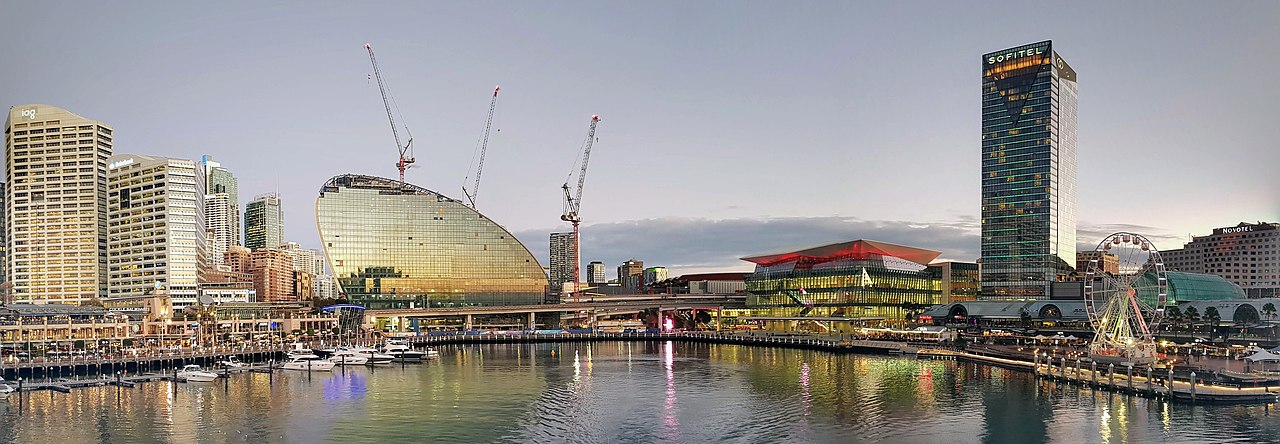
Darling Harbour is a redeveloped waterfront precinct adjacent to the Sydney central business district in Australia, known for museums, dining, events and family attractions like the SEA LIFE Sydney Aquarium.
Overview
Darling Harbour is a large waterside precinct located beside the central business district of Sydney in Australia. Once an industrial port area, it is now a mixed-use public space combining promenades, parks, cultural institutions and commercial attractions. The precinct attracts both local residents and visitors for leisure, entertainment and major events.
Image gallery
10 Images



Characteristics
The area features a sheltered harbour basin with wide pedestrian walkways, plazas and viewpoints that open onto the water. Architecture ranges from heritage industrial structures to modern civic buildings. Public spaces are designed to host festivals, outdoor dining and waterfront promenades, while adjacent streets connect the precinct to the wider city.
History and redevelopment
Named after Governor Ralph Darling, the site was historically a busy maritime and industrial zone. In the late 20th century it underwent substantial urban renewal that transformed former wharves and yards into a recreational and cultural quarter. That redevelopment created many of the facilities and public spaces visible today.
Main attractions and facilities
- SEA LIFE Sydney Aquarium and other family-oriented aquariums and exhibits
- Major museums and maritime displays such as national and naval collections
- The Chinese Garden of Friendship and several landscaped parks
- Conference and performance venues, including large convention facilities
- Extensive shopping and dining options along the waterfront
The combination of cultural institutions, restaurants and event spaces makes the precinct a focal point for tourism and civic life.
Access, events and notable facts
Darling Harbour is served by multiple modes of public transport and is easily reached on foot from the Sydney CBD. It hosts seasonal events, family festivals and fireworks, and is often cited as an example of successful waterfront renewal that balances public amenity with commercial activity. Ongoing planning continues to refine connections, pedestrian routes and facilities to meet the demands of visitors and local users.
Related articles
Author
AlegsaOnline.com Darling Harbour — Sydney waterfront precinct and cultural hub Leandro Alegsa
URL: https://en.alegsaonline.com/art/25547