
Davao City — major urban center in Mindanao, Philippines
Davao City is a principal city on Mindanao known for its large land area, Mount Apo, fruit agriculture (durian, bananas), diverse communities, regional commerce, tourism, and cultural festivals.

Overview
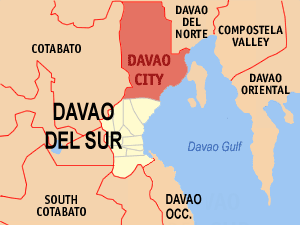
Davao City is a principal urban center on the southern Philippine island of Mindanao and serves as the economic and administrative core of the surrounding region. It is widely recognized for its extensive land area, varied landscapes that include coastal shores and highland terrain, and its role as a hub for trade, agriculture and services in southern Philippines. The city is closely associated with Mount Apo, the highest peak in the country, and with signature agricultural products such as durian and bananas.
Image gallery
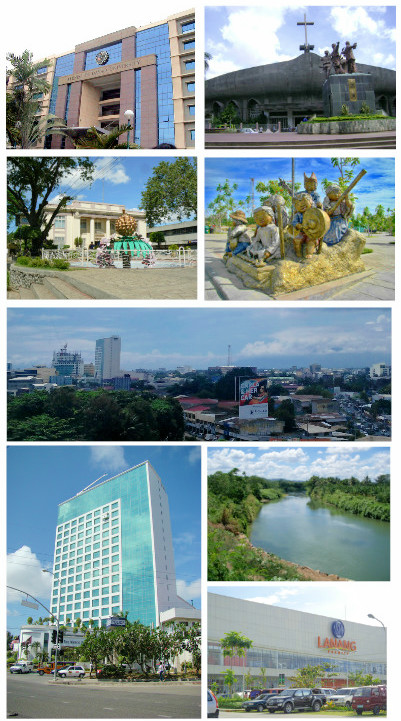
10 Images


Geography and natural features
Davao occupies a broad area of mixed lowlands, rolling hills and mountainous terrain. Its coastline and nearby islands offer beaches and dive sites, while inland zones rise toward Mount Apo, a volcanic massif that is an important landmark and conservation area. The combination of coastal waters, fertile valleys and upland forests supports diverse ecosystems and makes the city a base for both nature tourism and agricultural production.
History and population
The territory that became modern Davao City has long been inhabited by indigenous groups from the Mindanao region. Over time it developed as a center for trade and migration, with waves of settlers contributing to a multiethnic population. The city grew through agriculture, especially plantation crops, and later through commerce and services. Today its residents include indigenous peoples, descendants of migrants from other parts of the Philippines, and communities with historical ties to overseas settlers.
Economy and infrastructure
Davao's economy combines agriculture, agri-processing, commerce, and an expanding services sector. Fruits such as durian and bananas are among the best-known products associated with the area and are important for domestic consumption and export. The city also functions as a regional logistics and transport center with a major airport and port facilities that connect Mindanao to other Philippine islands and international markets.
Culture, tourism and events
Cultural life in Davao reflects the region's ethnic diversity. Annual festivals celebrate harvest, arts and indigenous traditions, with events that attract visitors and showcase local crafts and cuisine. Tourist attractions range from urban museums and markets to nearby natural sites: beaches, dive locations near outlying islands, hiking routes up Mount Apo and protected forests. Popular visitor draws include local culinary specialties and markets that feature tropical fruits.
Notable facts and distinctions
- Commonly cited nicknames reference its agricultural abundance and regional importance, including titles that highlight its status as a fruit-producing area and a commercial hub.
- The city has received national recognition for urban development and livability at various times, reflecting efforts to balance growth with public services and environmental management.
- Nearby islands and coastal resorts make Davao a convenient gateway for diving and beach-based tourism, while Mount Apo offers opportunities for trekking and nature study.
For general civic information and visitor guidance, see local government and tourism resources: Davao City information. The city remains an important center in Mindanao for commerce, culture, and access to natural attractions.
Related articles
Author
AlegsaOnline.com Davao City — major urban center in Mindanao, Philippines Leandro Alegsa
URL: https://en.alegsaonline.com/art/25677