
Bibliography and key sources on the Darfur conflict
A compact guide to major bibliographic resources on the Darfur conflict: categories of sources, leading institutions, evaluation tips, research gaps, and where to find curated listings.
This article describes a structured bibliography for the Darfur conflict and explains how to use it for research. It is intended as a guide to the types of literature and documentary material commonly consulted by journalists, scholars, legal teams and humanitarian practitioners. For a curated listing and reference section see the main compilation: Darfur bibliography, and for contextual material consult the related series: Darfur conflict series.
Image gallery
2 Images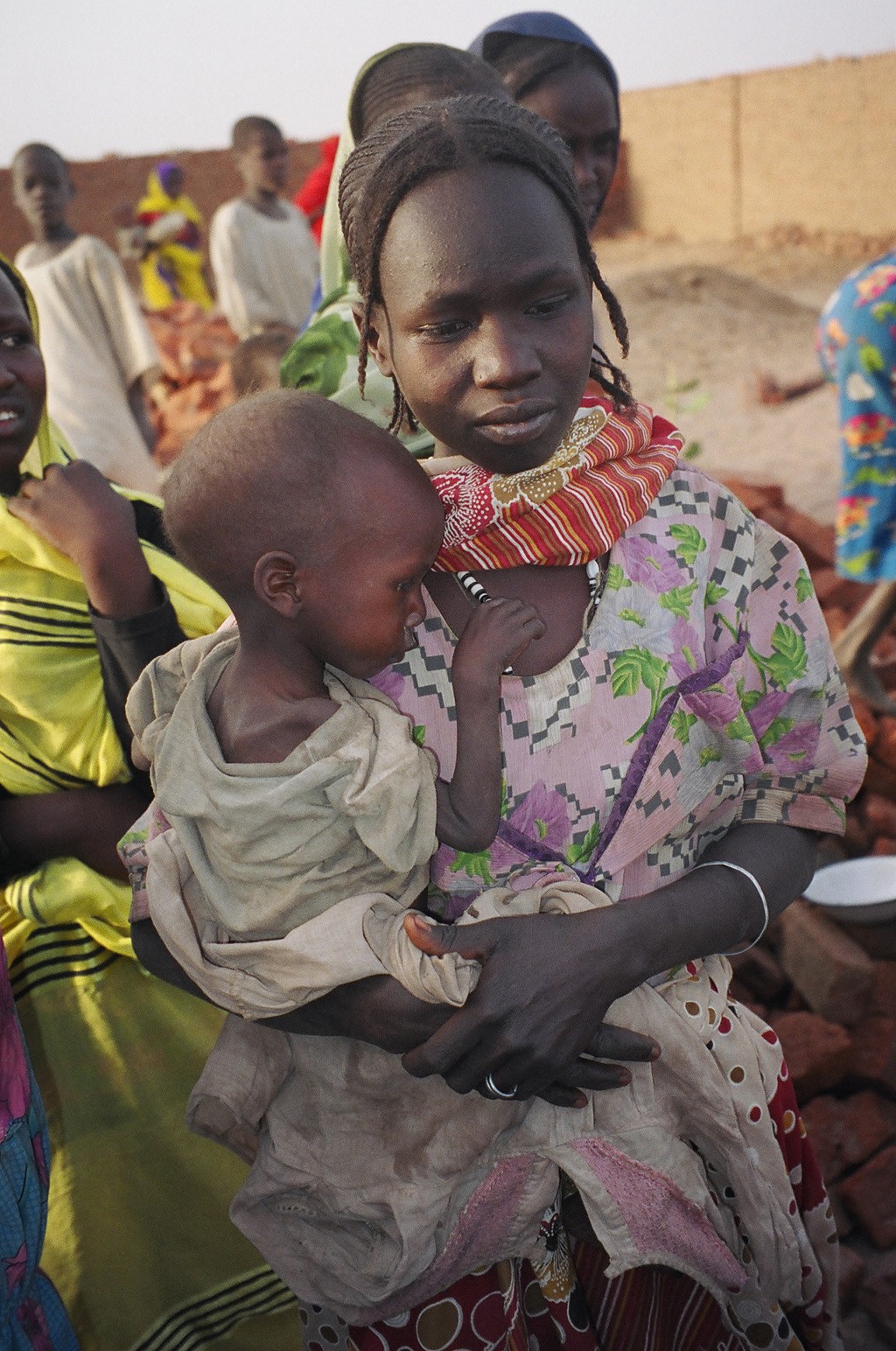

Typical categories of sources
Bibliographies on Darfur normally group materials by form and function. Common categories include:
- Books and monographs offering historical and political overviews.
- Peer-reviewed journal articles and academic theses that analyze causes, actors and consequences.
- United Nations and African Union reports, commission findings and technical assessments.
- Non-governmental organisation reports documenting human rights, humanitarian access and displacement.
- Legal documents: indictments, judgments and filings from international and domestic tribunals.
- Contemporary news archives, eyewitness testimony collections and oral histories.
Evaluating and using sources
When consulting the literature, distinguish primary sources (field interviews, official documents, contemporaneous media) from secondary analysis (scholarship, reviews). Check publication date, methodology and affiliations to assess perspective and potential bias. Language matters: important material appears in English, Arabic and sometimes French; translations should be checked against originals where possible.
Researchers should triangulate accounts, note gaps in access or verification, and cite responsibly. Pay attention to ethical issues when using survivor testimony and sensitive personal data.
Common challenges include limited access to conflict zones, shifting administrative records, politicized narratives and uneven media coverage. These constraints affect completeness and sometimes require cautious interpretation of available evidence.
For ongoing updates and curated links, use major institutional portals (UN, ICC, major NGOs and academic repositories) and the curated reference list linked at the top: bibliography and the broader series: conflict series. Proper bibliographic practice — clear citation, versioning and archive references — helps preserve research integrity and supports future inquiry.
Related articles
Author
AlegsaOnline.com Bibliography and key sources on the Darfur conflict Leandro Alegsa
URL: https://en.alegsaonline.com/art/25503
Sources
- pulitzercenter.org : Pulitzer Center on Crisis Reporting
- commons.wikimedia.org : Darfur conflict
- en.wikinews.org : Darfur conflict
- web.amnesty.org : Darfur: "too many people killed for no reason."
- crisisgroup.org : "Darfur Rising: Sudan's New Crisis"
- usaid.gov : Notes from Natsios: Sudan's Growing Crisis (PDF)
- lrb.co.uk : "Counter-Insurgency on the Cheap"
- asil.org : "The U.N. Responds to the Crisis in Darfur: Security Council Resolution 1556"
- darfurcentre.ch : Genocide in Sudan
- thepolitician.org : Parliamentary Brief
- state.gov : Documenting Atrocities in Darfur
- bostonreview.net : "Tragedy in Darfur"
- reliefweb.int : "Report of the International Commission of Inquiry on Darfur to the United Nations Secretary-General"
- darfurcentre.ch : Causes of Conflicts in Sudan, Testing the Black Book
- news.bbc.co.uk : "Sudan atrocities strain US relations"