
Dál Riata: Early Gaelic kingdom of the Irish Sea region
Dál Riata was an early medieval Gaelic polity spanning northeastern Ireland and parts of western Scotland. It played a central role in cross‑Irish Sea connections and helped shape the later kingdom of Scotland.
Dál Riata (also written Dalriada) was a Gaelic polity that linked communities on both sides of the Irish Sea in the early medieval period. Traditionally dated from the first centuries after the Roman withdrawal from Britain, its people and rulers are important for understanding the spread of Gaelic language, dynastic ties, and maritime culture that contributed to the formation of later Scottish identity.
Image gallery
8 Images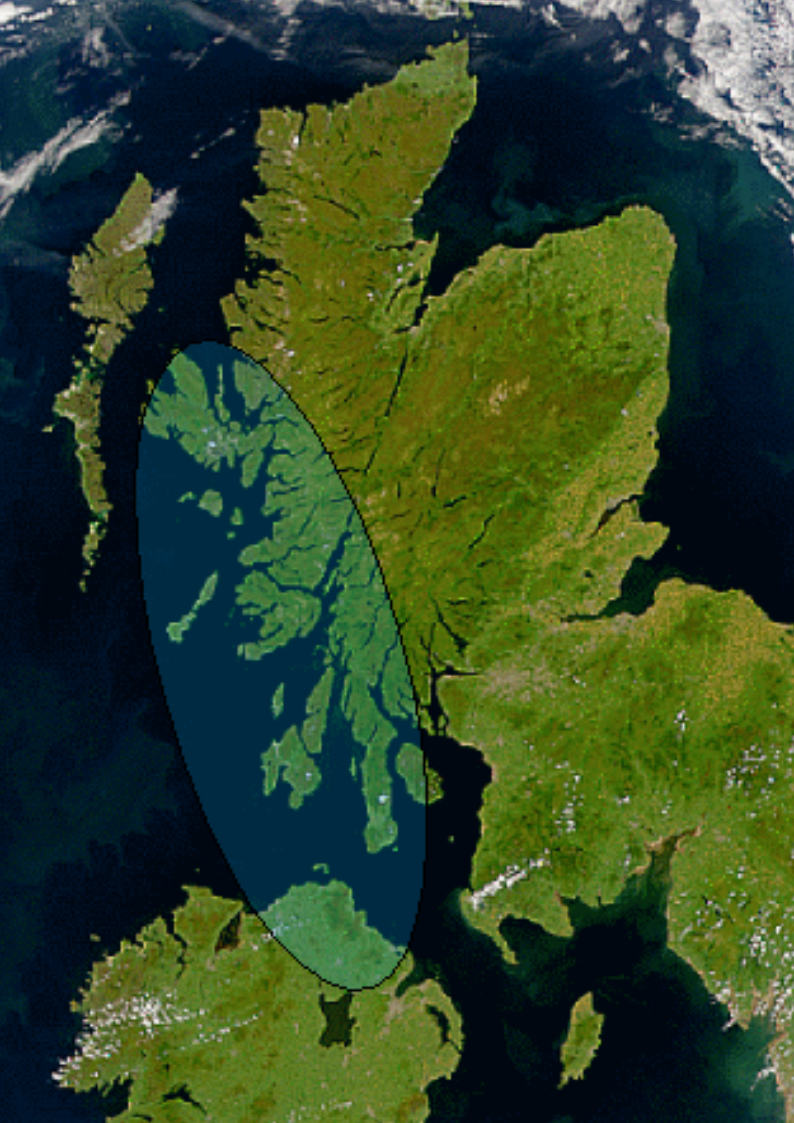




Origins and migration
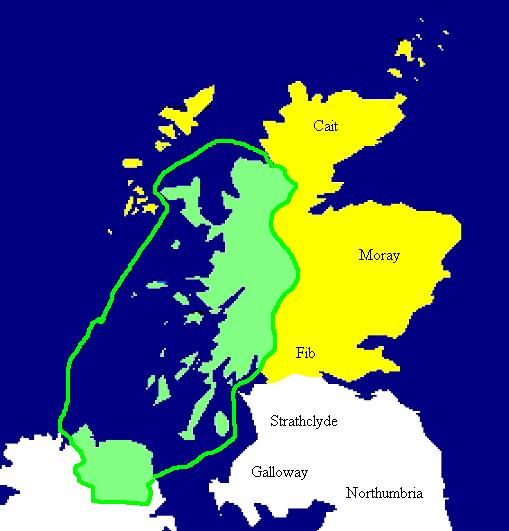
According to medieval genealogies and later historical reconstructions, the ruling kindreds of Dál Riata trace their origins to northeastern Ireland. Groups associated with the kingdom are said to have come from areas such as County Antrim and other parts of northern Ireland, crossing the Irish Sea to establish settlements on the western seaboard of what is now Britain. The movement of people probably took place in stages from the late antique into the early medieval centuries, a process often summarized as beginning in the early fifth century (early medieval period).
Territory, society and economy
On the Scottish side, Dál Riata centered on what later became known as Argyll and Bute and parts of Lochaber, occupying an arc along the western coast of Scotland. Its communities were coastal and maritime in character: sea routes linked farms, monastic sites and royal centres, and marine resources complemented hill farming and trade. Social organization emphasized kinship groups and regional kingship; ecclesiastical foundations connected Dál Riata to broader Insular church networks.
Groups from Ireland with similar identities also established footholds along other Atlantic coasts in the British Isles, sometimes reaching as far south as Cornwall, reflecting the mobility of Gaelic-speaking peoples and the maritime orientation of the period.
- Political role: Dál Riata acted as an intermediary between Irish and Pictish polities and later interacted with Anglo‑Saxon kingdoms.
- Cultural influence: Its Gaelic language, law customs and ecclesiastical links helped shape emerging identities in western Scotland.
- Name and legacy: Roman and late‑antique writers applied the term Scotti to Gaelic groups from Ireland; that ethnonym is a key element in the later naming of Scotland.
Although many details remain debated among historians and archaeologists, Dál Riata is widely seen as a formative ingredient in the early medieval history of both Ireland and Scotland. Its blend of seaborne commerce, kin-based kingship and religious ties across the Irish Sea made it a distinct and influential polity in the shifting landscape of post‑Roman northwestern Europe.
Related articles
Author
AlegsaOnline.com Dál Riata: Early Gaelic kingdom of the Irish Sea region Leandro Alegsa
URL: https://en.alegsaonline.com/art/25170