
Daisuke Takahashi — Japanese figure skater and ice dancer
Daisuke Takahashi (born 1986) is a Japanese figure skater from Kurashiki, Okayama. He won the World title and an Olympic medal in men's singles and later competed in ice dance, influencing Japanese skating.
Overview
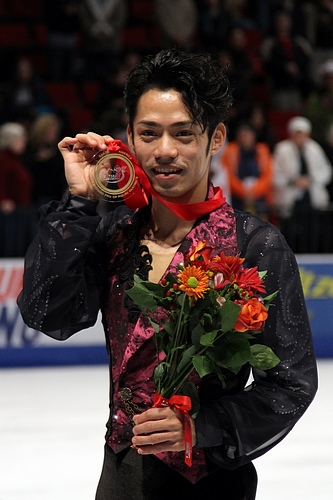
Daisuke Takahashi (髙橋 大輔, Takahashi Daisuke; born March 16, 1986) is a Japanese figure skater and later ice dancer, known for combining athletic jumps with expressive choreography. In Japanese naming order the family name is Takahashi, and he was born in Kurashiki, Okayama. He is widely recognized for winning a World Championship title and for earning an Olympic medal in men's singles.
Image gallery
6 Images



Career and achievements
Takahashi rose through junior ranks to become one of Japan's most prominent male skaters. His career in men's singles included victories and podium finishes at major international competitions, and he is noted for a World Championship victory and an Olympic bronze medal that marked important milestones for Japanese men's skating. After a long singles career he later transitioned to ice dance and formed a partnership that extended his competitive presence in a different discipline.
Style and contributions
Skaters and commentators often highlighted Takahashi's musical sensitivity, intricate step sequences, and creative spins alongside his jumping ability. His programs blended classical and contemporary influences, helping broaden the expressive range expected of male skaters from Japan. Off the competitive ice he has appeared in exhibitions, professional shows, and media work, contributing to the sport's popularity at home.
Notable facts and context
- He is frequently cited as a trailblazer for Japanese men in international figure skating circuits and Grand Prix events.
- Takahashi later explored ice dance, demonstrating versatility across skating disciplines and inspiring discussions about cross-discipline movement.
- His career has been covered and referenced in many profiles; for background on Japanese naming conventions see Japanese name order and related notes here.
Takahashi remains an influential figure in Japanese skating, both for his competitive results and for shaping performance standards. For further reading and archival material consult dedicated sport resources and federation pages here and event records here. Additional biographical details and local background may be found through regional sources in Okayama.
Related articles
Author
AlegsaOnline.com Daisuke Takahashi — Japanese figure skater and ice dancer Leandro Alegsa
URL: https://en.alegsaonline.com/art/25140
Sources
- sochi2014.com : "Daisuke TAKAHASHI" · web.archive.org
- sports-reference.com : "Daisuke Takahashi"