
Da Nang: Coastal Hub of Central Vietnam
Da Nang is the largest city in Central Vietnam and an important port, transport hub, and tourist center known for beaches, bridges, and proximity to Hoi An and Hue.
Overview
Da Nang is the largest city in Central Vietnam and one of the country's major urban centers. Located on the central coast where the Hàn River meets the East Vietnam Sea, it serves as a regional economic, transport and cultural hub within Vietnam. Administratively it became a centrally governed municipality in 1997 and is often grouped with other major cities such as Hanoi, Ho Chi Minh City, Haiphong and Can Tho.
Image gallery
10 Images


Geography and climate
Da Nang sits on a broad coastal plain framed by low mountains and the sea. The city stretches along sandy beaches that draw both domestic and international visitors; one of the most frequented is My Khe Beach. The nearby Hai Van Pass separates Da Nang from the ancient capital region to the north and provides a scenic overland route toward Hue and the historic town of Hoi An. The climate is tropical monsoon: hot, humid summers with substantial rainfall and milder, drier winters.
History and development
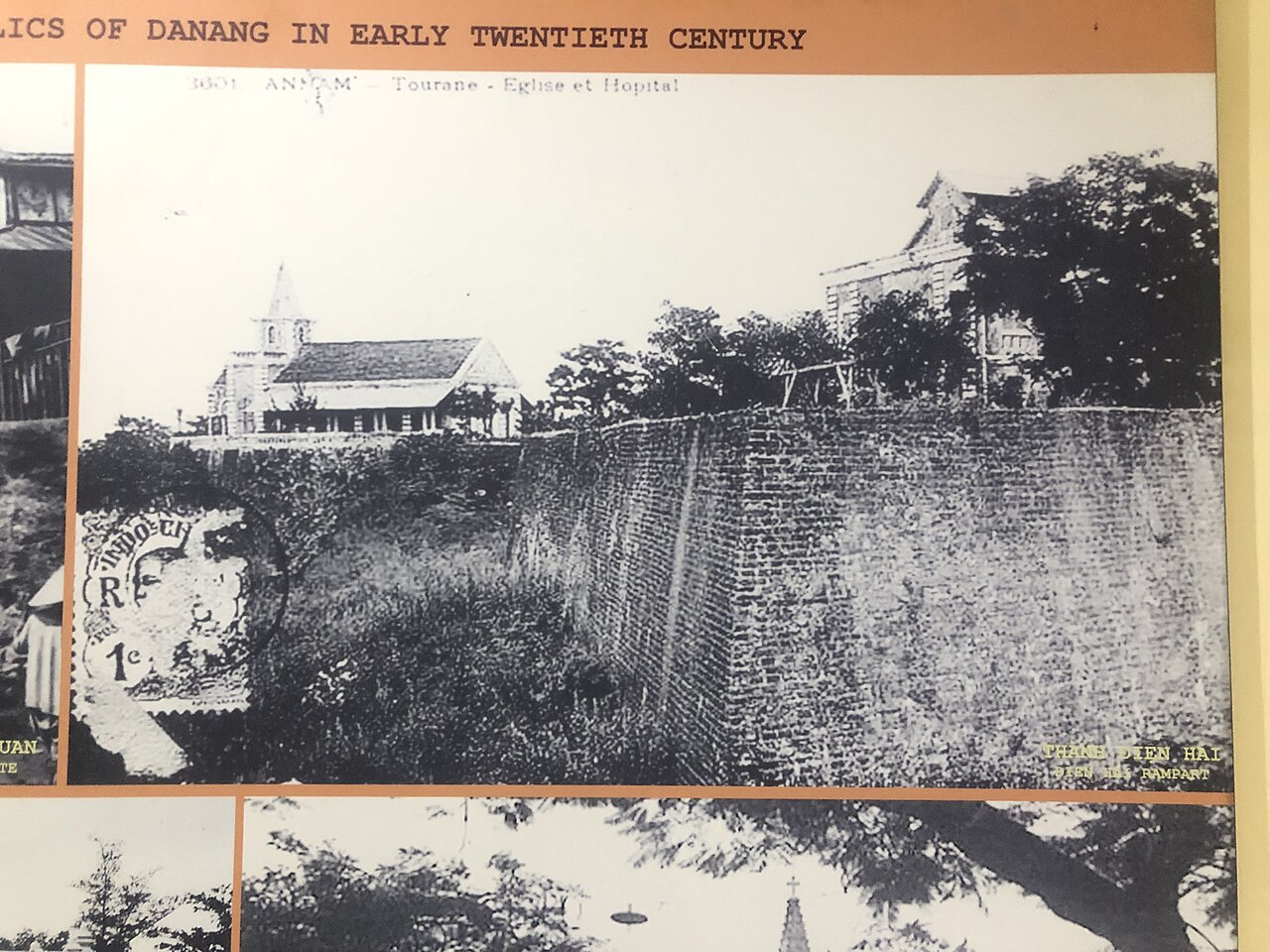
Historically a coastal trade and naval waypoint, Da Nang expanded rapidly in the 20th century. During the mid‑20th century conflicts that shaped modern Vietnam, its airfield and port were strategic locations and served military functions; the city's airport later resumed and expanded commercial operations as Da Nang International Airport. References to the city's wartime role often note activity involving forces from the north and the insurgent Viet Cong during the period of the Vietnam War, including operations that engaged North Vietnamese units (North Vietnam) and the Viet Cong. After reunification and economic reforms, Da Nang has become a focus for investment, ship‑services, tourism, and light industry.
Economy and transport
Da Nang's economy combines maritime commerce, fisheries, industry and services. The city's port ranks among the largest in the country and is a key gateway for central Vietnam. Because the immediate region has limited agricultural land, marine resources and coastal commerce play an outsized role in local livelihoods. Modern infrastructure includes a busy international airport, an expanding port, expressways and rail links that connect Da Nang to other Vietnamese regions and serve freight and passenger traffic to nearby cultural centers.
Tourism, attractions and culture
Tourism is a major sector. Visitors come for sandy beaches, scenic passes and a compact urban waterfront. Notable attractions include:
- Ba Na Hills and the elevated Golden Bridge — a panoramic mountain resort complex.
- Dragon Bridge over the Hàn River — a modern sculptural span lit at night and famous for occasional fire‑and‑water displays.
- Marble Mountains — a cluster of limestone hills with caves, pagodas and viewpoints.
- Da Nang Sun Wheel — part of an entertainment waterfront area with rides and leisure facilities.
The city also functions as a practical base for day trips to the UNESCO‑listed old town of Hoi An and the imperial sites around Hue.
Cuisine and local life
Da Nang’s food scene blends coastal produce with regional specialties. Popular local dishes include mì Quảng noodles, bánh xèo (savoury pancakes), bún chả cá (fish noodle soup), and various seafood preparations such as stir‑fried snails. Sweet and street treats like avocado ice cream and coconut coffee are common. The city also showcases flavors from nearby Hue and Hoi An, so visitors often sample a wide cross‑section of Central Vietnamese cuisine.
Notable facts and distinctions
As a centrally governed municipality, Da Nang occupies a distinctive administrative status comparable to Vietnam’s largest cities. Its port and airport make it a logistics node for the central coast, while beaches and cultural links keep tourism strong. Continued urban development, infrastructure upgrades and proximity to historic centers ensure Da Nang remains an important regional capital in contemporary Vietnam.
Related articles
Author
AlegsaOnline.com Da Nang: Coastal Hub of Central Vietnam Leandro Alegsa
URL: https://en.alegsaonline.com/art/25015