
Ho Chi Minh City
Ho Chi Minh City, commonly called Saigon, is Vietnam's largest city and a dynamic southern economic and cultural center with a complex history and diverse urban landscape.
Ho Chi Minh City (Vietnamese: Thành phố Hồ Chí Minh), often called Saigon in everyday speech, is the largest city in Vietnam and a major metropolitan hub in the country's south. The city occupies a strategic position on the lower reaches of the Mekong Delta and is crossed by the Saigon River. It functions as a centrally governed municipality that combines dense urban districts and outlying rural areas, and it is home to roughly nine million residents in the city proper.
Image gallery
10 Images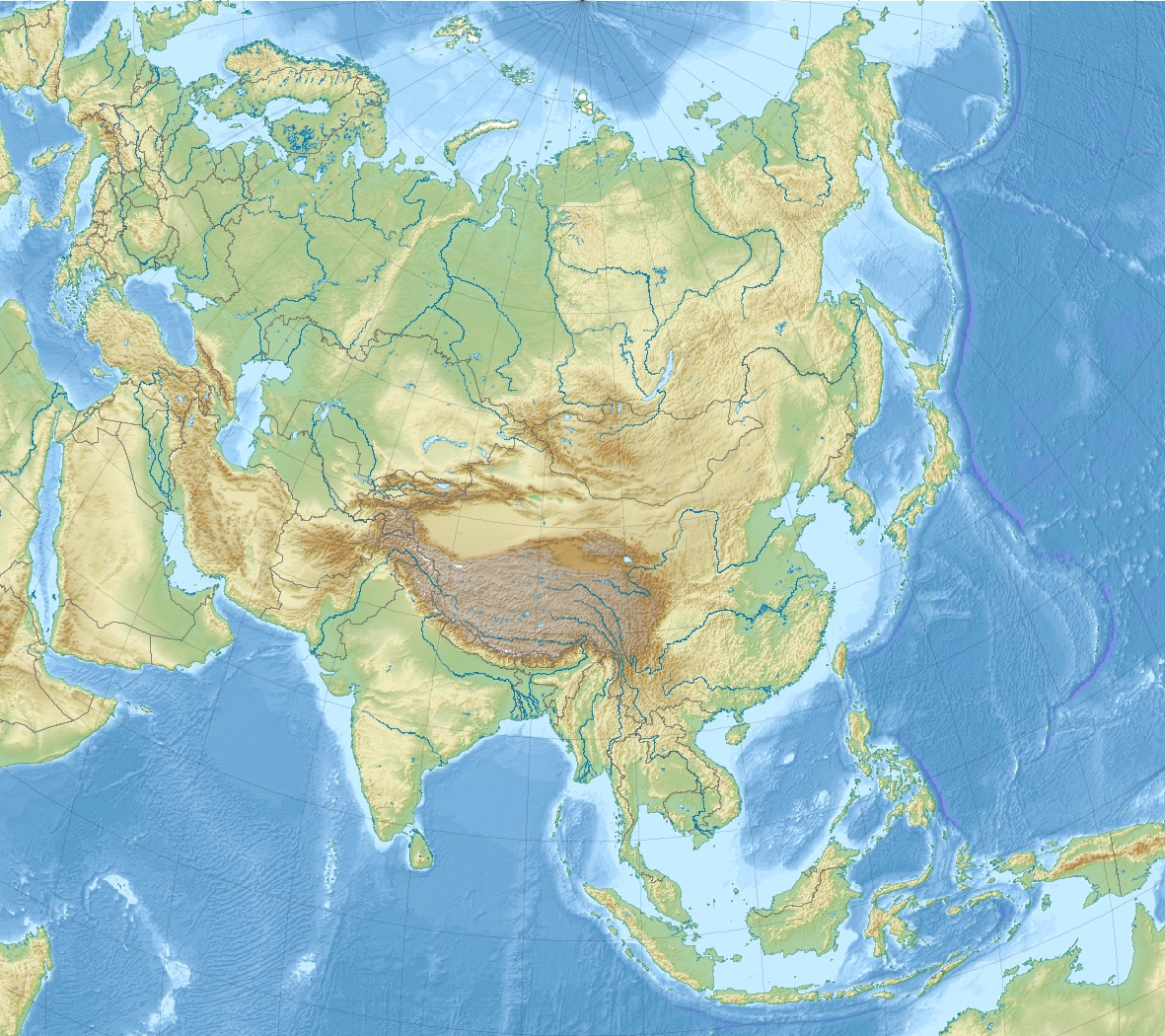



Geography and administration
The city sits in southern Vietnam and serves as a gateway between the Mekong Delta and the South China Sea. Administratively it is governed as a municipality rather than as a province, which gives it a status similar to that of a province but focused on urban management and regional planning. Much of the city's life centers on the river and its network of canals, which historically supported trade and continue to shape neighborhoods and transport routes. For a general overview and maps, see regional resources.
History and name
Before 1975 the city was officially known as Saigon, a name that remains widely used in everyday conversation and local businesses. On 30 April 1975, when North Vietnamese forces captured the city at the end of the Vietnam War, the government renamed it Ho Chi Minh City after the revolutionary leader Hồ Chí Minh. The city's past includes periods of Khmer, Chinese and French influence; French colonial architecture, broad boulevards and some historic buildings still reflect that era. For historical background, consult history sources.
Economy, culture and landmarks
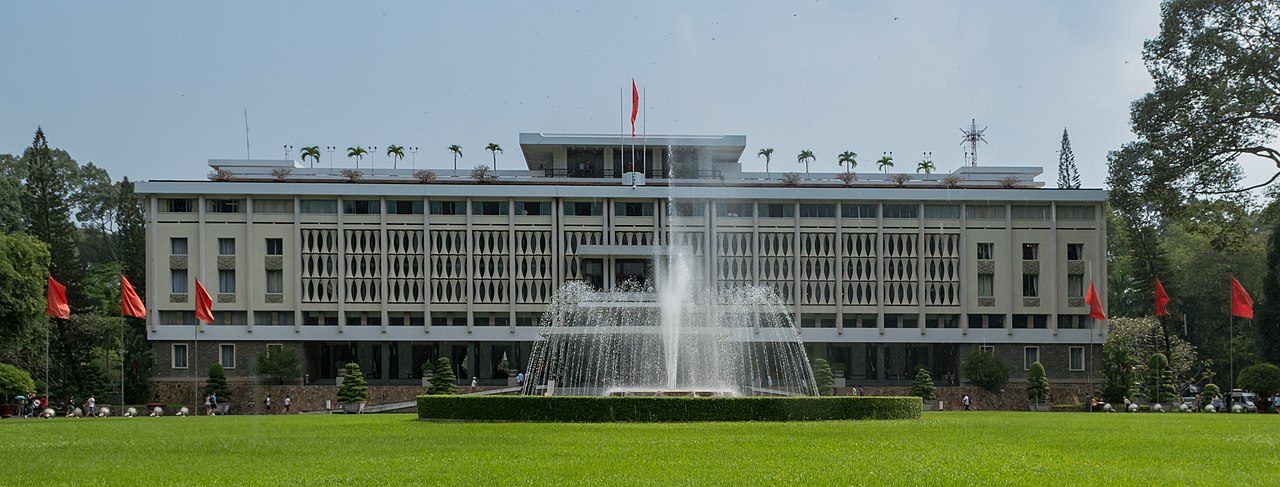
Ho Chi Minh City is Vietnam's principal economic engine. It concentrates banking, commercial services, manufacturing and international trade. The port facilities, industrial zones and a growing technology sector contribute to its role as the country's business center. The city is also a cultural focal point, with museums, performance venues, markets and distinctive neighborhoods. Well-known landmarks include Ben Thanh Market, the colonial-era Notre-Dame cathedral and modern skyscrapers, all of which draw visitors and locals alike. For travel and cultural guides, see visitor information.
Transport and everyday life
Daily life in Ho Chi Minh City is defined by fast-paced commerce and intense street activity. Motorbikes dominate traffic patterns, and the city is known for bustling sidewalks, street food culture and vibrant night markets. Public transportation has been expanding with buses and new rapid transit projects, while river transport remains part of the local system. The mixture of modern development and informal street economies gives the city its distinctive energy.
Notable facts and distinctions
- Largest city by population and economic output in Vietnam, but not the national capital.
- The Saigon River is a central geographic feature and namesake in local usage; more on the river can be found at river resources.
- Despite the official renaming, the term "Saigon" persists in business names, neighborhoods and everyday speech, reflecting layered historical identities.
- The city combines modern skyscrapers with colonial-era structures, markets and waterways, making it both a business center and a destination for visitors.
Ho Chi Minh City continues to evolve rapidly as Vietnam's economic and cultural dynamo, balancing historic legacy and ongoing urban transformation.
Questions and answers
Q: What is the name of the city in southern Vietnam?
A: The city in southern Vietnam is called Ho Chi Minh City (Thành phố Hồ Chí Minh).
Q: How many people live in this city?
A: Approximately 9 million people live in Ho Chi Minh City.
Q: What was the former name of this city?
A: Before its fall on 30 April 1975, the city used to be called "Saigon".
Q: Where does the name Saigon come from?
A: The name Saigon comes from the Saigon River, which flows through the city.
Q: Is Ho Chi Minh City a municipality?
A: Yes, Ho Chi Minh City is governed as a municipality.
Q: Does Ho Chi Minh City include a large rural area?
A: Yes, Ho Chi Minh City includes a large rural area.
Q:Is it the biggest city in Vietnam? A:Yes, it is the biggest city in Vietnam.
Related articles
Author
AlegsaOnline.com Ho Chi Minh City Leandro Alegsa
URL: https://en.alegsaonline.com/art/44585
Sources
- gso.gov.vn : "Tổng cục Thống kê"
- hochiminhcity.gov.vn : hochiminhcity.gov.vn/thongtinthanhpho/gioithieu/Lists/Posts/Post.aspx?CategoryId=17&ItemI…
- vnexpress.net : "VnExpress - Báo tiếng Việt nhiều người xem nhất"
- available.com.vn : available.com.vn
- chuckkuhnphotography.blogspot.com : "Chuck Kuhn's Asia in Photos"
- thevietnamguide.com : Ho Chi Minh city - the Saigon that was - the busy city | The Vietnam Guide
- rentalcarin.com : rentalcarin.com