
D. H. Lawrence (David Herbert Lawrence)
English novelist, poet and essayist (1885–1930), known for psychological fiction, candid treatment of sexuality, and works such as Sons and Lovers and Lady Chatterley's Lover.
Overview
David Herbert Lawrence (11 September 1885 – 2 March 1930) was an English novelist, poet, playwright and essayist who wrote under the name D. H. Lawrence. Born in the mining town of Eastwood, Nottinghamshire, he became one of the most discussed writers of the early 20th century. His fiction and criticism explore emotional and physical relationships, social constraints, and the tensions between industrial modernity and the natural world. For a concise life summary see biographical overview.
Image gallery
10 Images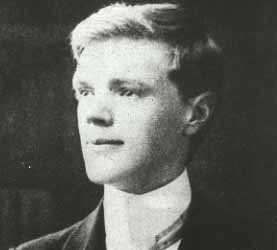


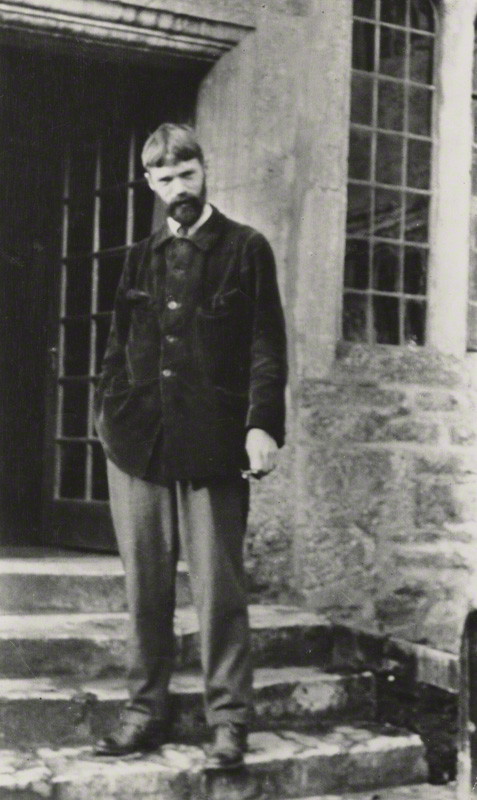
Life and career
Lawrence grew up in a working-class household in a region shaped by coal mining, an experience that informed much of his early fiction. He trained initially as a teacher and later left England to travel extensively in Europe, the Americas and Australia. His later years were spent largely abroad; he died in Vence, in the south of France, of illness often identified as tuberculosis, while staying in Vence, France. His letters and travel writing document both personal and literary journeys; bibliographies and selected writings can be found at bibliographic resources.
Major works
Lawrence produced novels, short stories, poems and essays. Notable novels and collections include:
- Sons and Lovers — a semi-autobiographical novel that examines family bonds and personal growth.
- The Rainbow and Women in Love — novels that chart social change and complex relationships.
- Lady Chatterley's Lover — a later novel known for its frank sexual content and controversial publication history; see discussions on its reception.
- Short stories such as "Odour of Chrysanthemums" and "The Virgin and the Gypsy" and numerous poems including "Last Lesson of the Afternoon."
Themes and style
Lawrence's writing combines psychological insight, vivid natural imagery and often frank treatment of sexuality. He resisted mechanistic or purely intellectual accounts of human life, favoring portrayals that emphasize instinct, desire and the body. Symbolism, interior monologue and intense attention to sensory detail are characteristic of his prose and verse.
Reception and legacy
Opinions on Lawrence have varied widely: admired by many for emotional depth and stylistic daring, criticized by others for his attitudes and provocations. The explicitness of some works led to censorship debates and legal cases that shaped 20th-century discussions about literature and obscenity. Lawrence's influence persists in studies of modernist fiction, sexual politics, and the relationship between art and society. For further critical materials and archival guides consult medical and biographical notes and critical summaries at major bibliographies or editions listed via academic resources.
For introductions to his poems, essays and shorter fiction see collections and annotated editions; readers may also explore letters and travel writing to understand his evolving ideas and the contexts in which he wrote. Additional commentary and collections are available through literary guides and selected online archives (place-based materials, national literary resources).
Related articles
Author
AlegsaOnline.com D. H. Lawrence (David Herbert Lawrence) Leandro Alegsa
URL: https://en.alegsaonline.com/art/25003