
Cyberbullying: definition, forms, effects and responses
Overview of cyberbullying: methods, common forms, psychological and social impacts, prevalence, legal and educational responses, and practical prevention strategies for individuals and institutions.
Overview
Cyberbullying is the deliberate use of digital communications and online platforms to harass, intimidate, shame or threaten an individual or group. It takes advantage of networks and devices — such as e-mail, text messaging, social media, forums, blogs, mobile apps and websites — to deliver hostile or unwanted conduct. Because it occurs through technology, cyberbullying often leaves a persistent record, sometimes called a digital footprint, that can be used as evidence but can also prolong the harm.
Image gallery
9 Images



Common forms and characteristics
Cyberbullying can appear in many different forms and may be repeated or sustained over time. Typical forms include:
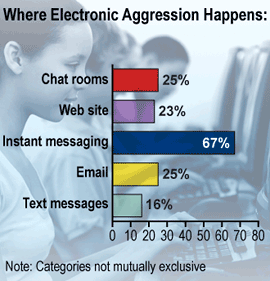
- Sending threatening, insulting or sexual messages via e-mail or direct message — for example, using e-mail platforms to target someone.
- Harassing or taunting by SMS or instant messaging — including mass distribution via text or chat channels.
- Posting false statements, rumours, or manipulated images on social media or defamatory websites to damage reputation.
- Impersonation: creating a fake account to send abusive content while appearing to be the victim.
- Sharing unwanted sexual material or sexualized harassment online, including explicit messages or images — sometimes described as sexual cyberharassment (sexual messages).
History and terminology
The term "cyberbullying" emerged in the late 1990s as internet use expanded beyond research institutions into homes and schools. Over time, the term has grown to cover behaviour that might have been called harassment, stalking or bullying in offline settings but is carried out using electronic technologies. Because digital platforms evolve rapidly, the specific tools and patterns change while the underlying dynamics — power imbalance, repetition, and intent to harm — remain central to how practitioners define the behaviour.
Effects and prevalence
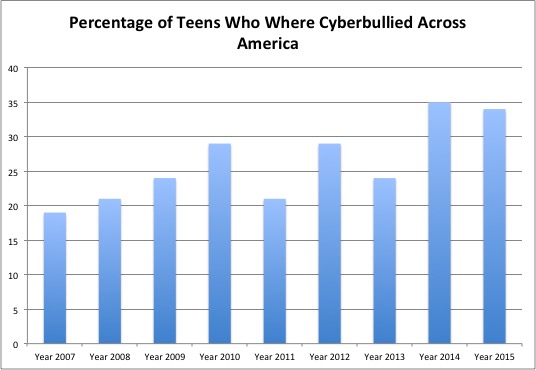
Cyberbullying can produce emotional distress, anxiety, social withdrawal and diminished school or job performance. In severe cases it contributes to long-term mental-health problems. Research and surveys conducted in different countries indicate that a significant portion of young people and adults report experiencing or witnessing online harassment. Prevalence estimates vary by study, age group and region, but many education and public-health organisations recognise cyberbullying as a widespread concern that often co-occurs with face-to-face bullying.
Responses: legal, educational and practical measures
Responses to cyberbullying combine prevention, support for victims and, where appropriate, sanctions for perpetrators. Typical responses include:
- School-based education programs that teach digital citizenship, empathy and how to report abuse.
- Platform policies and reporting tools provided by social networks, messaging services and hosting sites to remove abusive content or suspend accounts.
- Legal remedies in many jurisdictions for harassment, defamation or threats; law enforcement may intervene in criminal cases or when safety is at stake.
- Support resources such as counselling, hotlines and community interventions to assist victims and families.
Prevention and best practices
Individuals and institutions can reduce risk by combining technical, educational and social approaches. Practical steps include using privacy controls, saving evidence of abuse, reporting to service providers, seeking support from trusted adults or supervisors, and promoting inclusive, respectful online norms. Parents and educators are encouraged to maintain open communication, model appropriate behaviour online, and teach young people how to respond safely if targeted.
Notable distinctions and final notes
While cyberbullying overlaps with offline bullying, important differences are its potential scale, the ease of anonymity, and the permanence of digital content. These differences affect how incidents are investigated and addressed. Understanding technology and social context is essential for effective prevention and intervention. For further guidance about reporting tools, policies and educational materials, consult platform help centres and local support organisations; many also provide step-by-step advice for preserving evidence and seeking help.
Related articles
Author
AlegsaOnline.com Cyberbullying: definition, forms, effects and responses Leandro Alegsa
URL: https://en.alegsaonline.com/art/24844
Sources
- simple.wiktionary.org : headlines
- commonsensemedia.org : "Parent Advice - Cyberbullying Tips - Common Sense Media"
- melbourne-leader.whereilive.com.au : "DON'T HURT: Schools win $10m to fight cyber-bullying - Education - News - Melbourne Leader"
- msnbc.msn.com : "Mo. governor signs cyberbullying bill - Internet- msnbc.com"
- legalclips.nsba.org : "Legal Clips » New Hampshire law requires schools to have policies against cyberbullying"