
Custer County, Idaho
Custer County is a sparsely populated county in central Idaho centered on the town of Challis. Known for rugged mountains, rivers and outdoor recreation, it had 4,368 residents at the 2010 census.
Overview: Custer County lies in the central part of the U.S. state of Idaho (the state of Idaho). It is a large, rural county with a small population: the 2010 census recorded 4,368 people. The county government is centered in Challis, the county seat and principal town, often referenced simply as Challis (county seat).
Image gallery
4 Images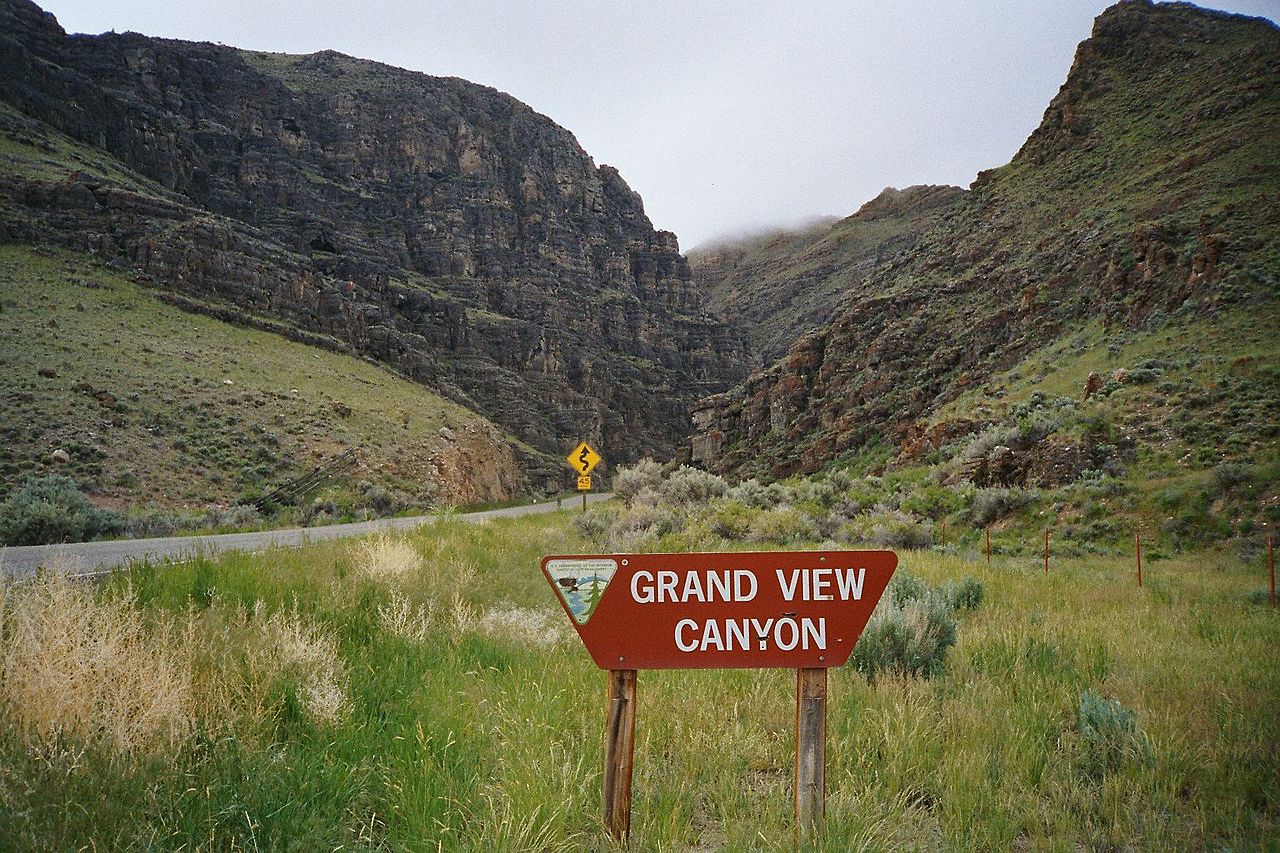


Geography and landscape
Custer County is characterized by high mountain ranges, deep river canyons and broad public lands. Elevations vary dramatically, creating a mix of alpine basins, forested slopes and sagebrush valleys. The Salmon River and numerous tributaries carve important corridors for wildlife and outdoor activities. Much of the land is managed for multiple uses, including national forests and federally designated wilderness areas, which shape both conservation priorities and recreational opportunities.
History and development
The region was long inhabited and traversed by Indigenous peoples before Euro-American settlement. In the late 19th century, mining and ranching drove permanent settlement and the creation of local institutions. Over time transportation, changes in resource extraction, and the growth of outdoor recreation reshaped the county economy and population patterns, leaving a legacy of small towns and historic sites.
Economy, communities and recreation
Economic activity in the county centers on ranching, small-scale mining, tourism and services that support recreation. Visitors are drawn to hunting, fishing, hiking, backcountry skiing and river trips. Communities are few and widely spaced; Challis functions as the primary service and administrative center, while other settlements support local ranching and seasonal tourism.
Notable facts and distinctions
- Low population density across a relatively large land area makes the county notable for open space and solitude.
- Public lands and wilderness areas provide habitat for diverse wildlife and extensive backcountry recreation.
- Historic mining and ranching sites reflect the county's frontier-era past and are part of its cultural landscape.
For administrative details, maps, statistics and visitor information consult county resources and state guides via the links above. The county's combination of dramatic scenery and sparse settlement makes it representative of Idaho's inland mountain regions.
Related articles
Author
AlegsaOnline.com Custer County, Idaho Leandro Alegsa
URL: https://en.alegsaonline.com/art/24780
Sources
- quickfacts.census.gov : "State & County QuickFacts"
- naco.org : "Find a County"