
Curtiss P-36 Hawk (Hawk Model 75)
American pre‑WWII single‑engine fighter that introduced modern monoplane features, served with the US Army Air Corps and several Allied air forces, and formed the technical basis for the P‑40 Warhawk.
Overview
The Curtiss P-36 Hawk, often known by its manufacturer designation Hawk Model 75, was an American single‑engine, all‑metal fighter developed in the mid‑1930s. It represented a transition from biplane designs to modern monoplanes: enclosed cockpit, retractable landing gear and stressed‑skin construction. Though rapidly superseded by faster designs, the P-36 provided valuable experience and combat service for a number of air arms before and during the early months of World War II. Contemporary descriptions emphasize its role as an early modern fighter rather than as a late‑war combat type. single-engine fighter aircraft
Image gallery
10 Images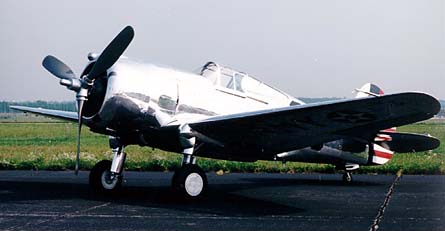


Design and characteristics
Built around a single radial engine, the P-36 combined a streamlined fuselage with a low‑wing monoplane layout. It had an enclosed cockpit and retractable main landing gear that folded into the wing, features that improved speed and pilot protection compared with older types. Armament arrangements varied with export and service versions, generally consisting of wing‑ and fuselage‑mounted machine guns. The aircraft emphasized maneuverability and pilot visibility rather than high top speed or long range.
Development and influence
First flown in 1935, the Hawk family evolved through a series of refinements intended for both U.S. service and overseas customers. Although production for the U.S. Army Air Corps was limited as more powerful designs emerged, the P-36's basic airframe and lessons learned in its development directly influenced the later Curtiss P‑40 Warhawk, which used a different engine installation and became one of the most widely recognized American fighters of World War II. first flight in 1935 P-40 Warhawk
Operational history
When war began in Europe, exported Hawk variants were flown by several Allied nations. French units used them in 1940 during the German invasion, and examples also served with British and other Allied air forces in various theatres. In U.S. service the type was quickly relegated to training and secondary roles as faster monoplane fighters entered front‑line units. The aircraft nevertheless saw combat in the early months of World War II and helped bridge the gap between older designs and the next generation of fighters. World War II Royal Air Force French Air Force
Variants and legacy
- Export Hawks carried a variety of equipment and small changes tailored to customer requirements and often received local designations.
- The P-36's structural and aerodynamic work informed later Curtiss fighters; its most important legacy is as a stepping stone to the P-40 family.
- Surviving aircraft are preserved in museums and collections as examples of the interwar shift to modern fighter design.
The Curtiss P-36 Hawk is therefore remembered less for numbers in service than for its part in the rapid evolution of fighter technology on the eve of global war, and for the operational lessons it provided to pilots and designers alike.
Author
AlegsaOnline.com Curtiss P-36 Hawk (Hawk Model 75) Leandro Alegsa
URL: https://en.alegsaonline.com/art/24753