
Cumming, Georgia: Overview, Geography, History, and Local Life
Cumming is the county seat of Forsyth County, Georgia. This article summarizes its geography, population, history, local economy and recreation, and notable characteristics.
Overview
Cumming is a small municipal community located in the northern suburbs of the United States capital region of the southeastern state of Georgia. It serves as the county seat of Forsyth County and functions as a local center for government, commerce and services for surrounding neighborhoods. The city itself is home to roughly 5,800 residents, though the broader county population is substantially larger and has grown in recent decades.
Image gallery
10 Images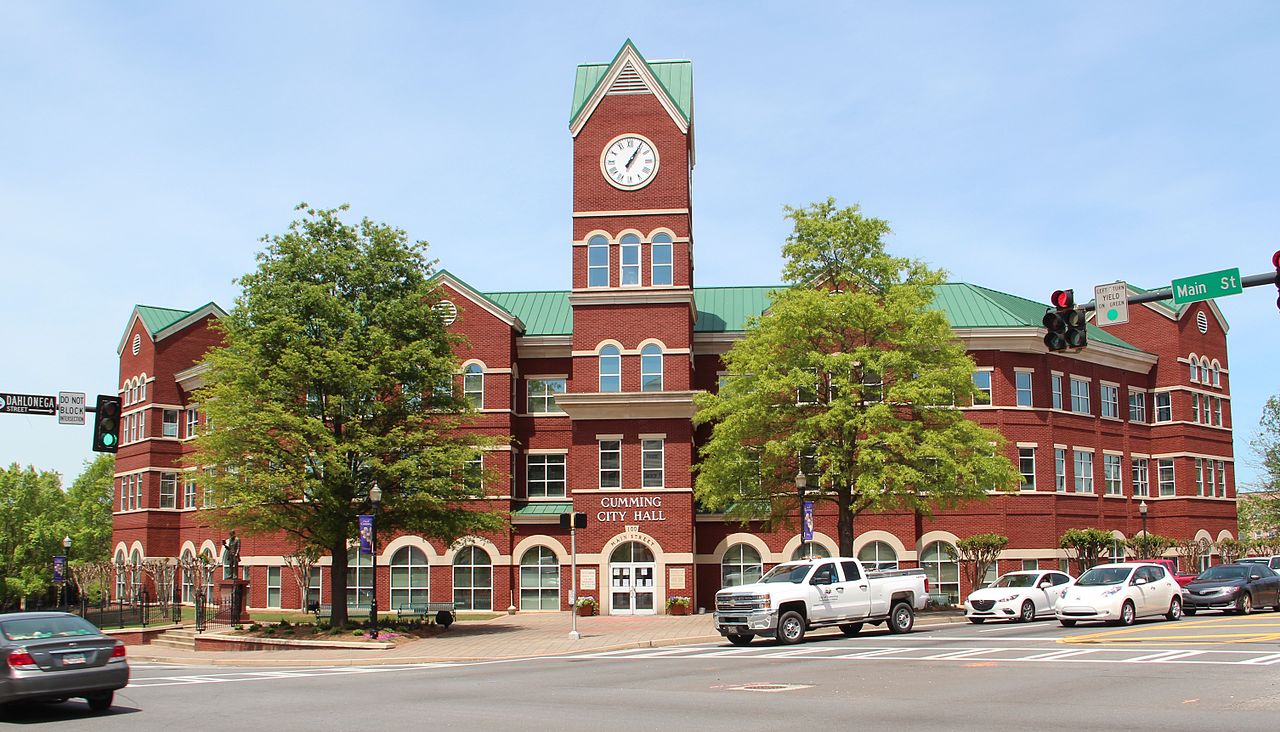




Geography and environment
The municipal limits of Cumming cover a compact area: according to the United States Census Bureau, the total area is just under 15.3 km² (about 5.9 mi²), almost all of which is land with a very small percentage of water. The city lies near the southern end of Lake Lanier, a major reservoir that shapes local recreation, real estate, and visitor traffic. The surrounding landscape is typical of metropolitan northern Georgia, with mixed pine and hardwood stands, rolling hills and suburban development.
History and development
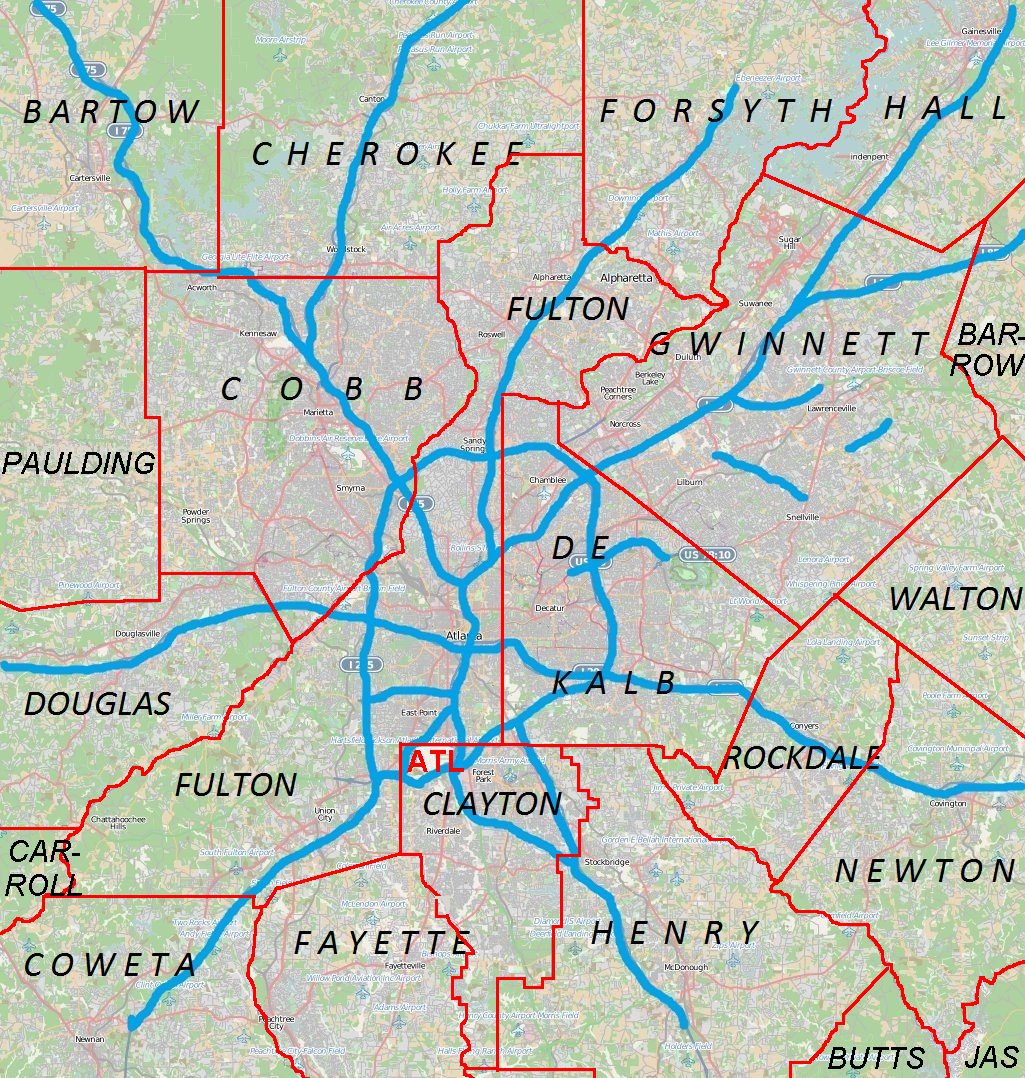
Cumming grew as the administrative center of Forsyth County in the 19th century and later evolved with transportation links to the greater Atlanta region. Over time it transitioned from a rural courthouse town into a suburban hub, particularly as Atlanta's metropolitan area expanded northward. This pattern of change has influenced local housing, commerce and demographics.
Economy, services, and recreation
The local economy combines county government, retail, professional services and tourism-related businesses that benefit from nearby Lake Lanier. The city maintains municipal services and a downtown square with shops, restaurants and civic buildings. Outdoor recreation is a notable draw: boating, fishing, parks and seasonal events around the lake and county parks are important to residents and visitors.
Demographics and community
Cumming's population is relatively small compared with the larger suburbs that surround it; the city functions as one node within a rapidly changing county. Community life centers on public events, school activities and civic organizations. The built environment mixes historic structures near the courthouse with newer residential subdivisions and commercial corridors.
Additional notes
- The city's official status as county seat shapes its role in local administration (county seat).
- Area measurements and population estimates are available from the United States Census Bureau and other public sources; total area figures treat a small fraction as water (area data).
- For maps and travel information consult regional resources and municipal pages (state and county portals).
For further reading or official announcements about municipal projects and local statistics, see municipal and county websites and regional planning publications (city, national, state, area).
Related articles
Author
AlegsaOnline.com Cumming, Georgia: Overview, Geography, History, and Local Life Leandro Alegsa
URL: https://en.alegsaonline.com/art/24655