
Cumberland Gap National Historical Park
A U.S. National Historical Park preserving the Cumberland Gap, a natural mountain corridor at the junction of Kentucky, Tennessee and Virginia, significant for Indigenous use, frontier migration and natural features.
Cumberland Gap National Historical Park protects the Cumberland Gap and surrounding landscapes where three states meet. Established on June 11, 1940, the park preserves roughly 20,508 acres of ridges, valleys, caves and forest at the borders of Kentucky, Tennessee and Virginia. It combines scenic overlooks and hiking trails with museums, interpretive programs and protected cultural sites. For official information, visitor planning and services consult the park's main resources at the official park pages.
Image gallery
10 Images
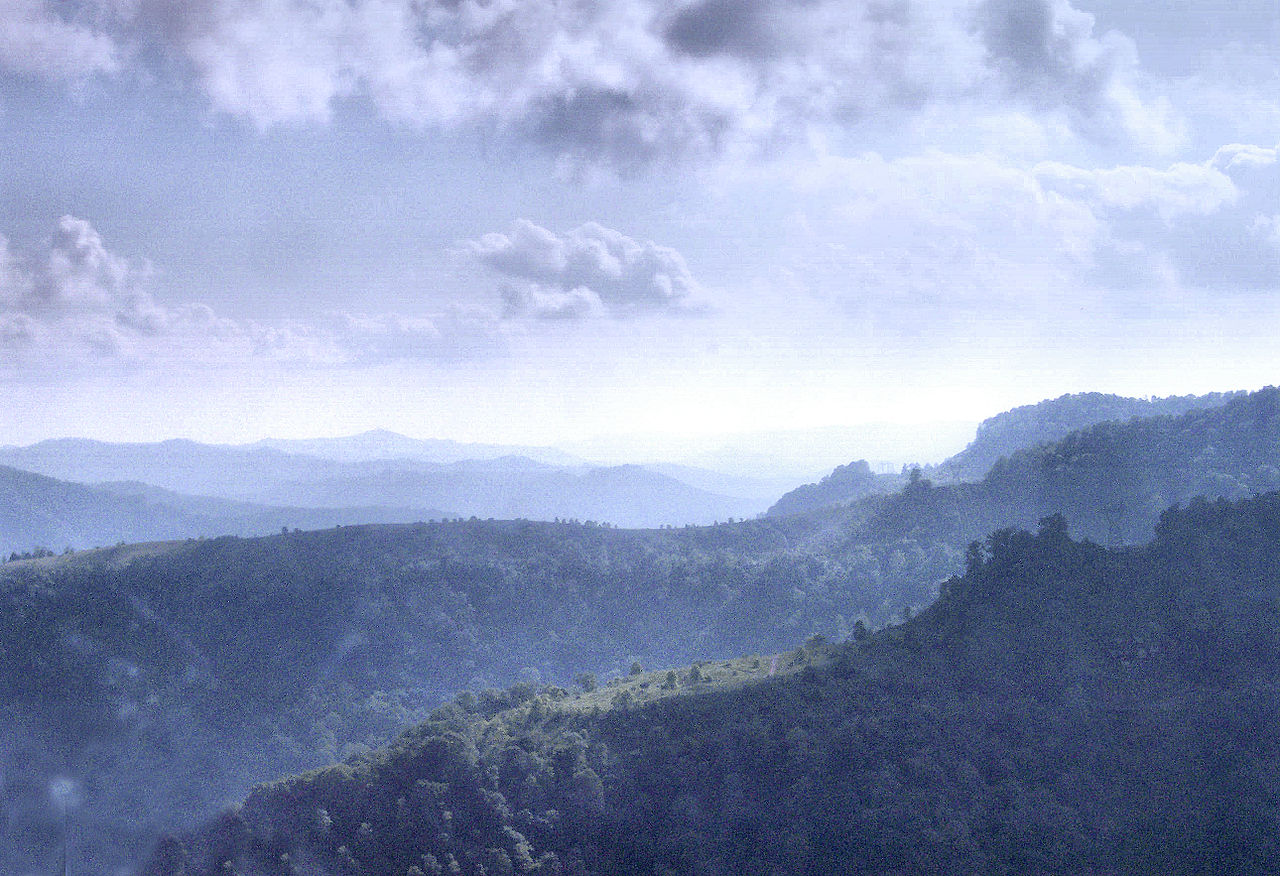
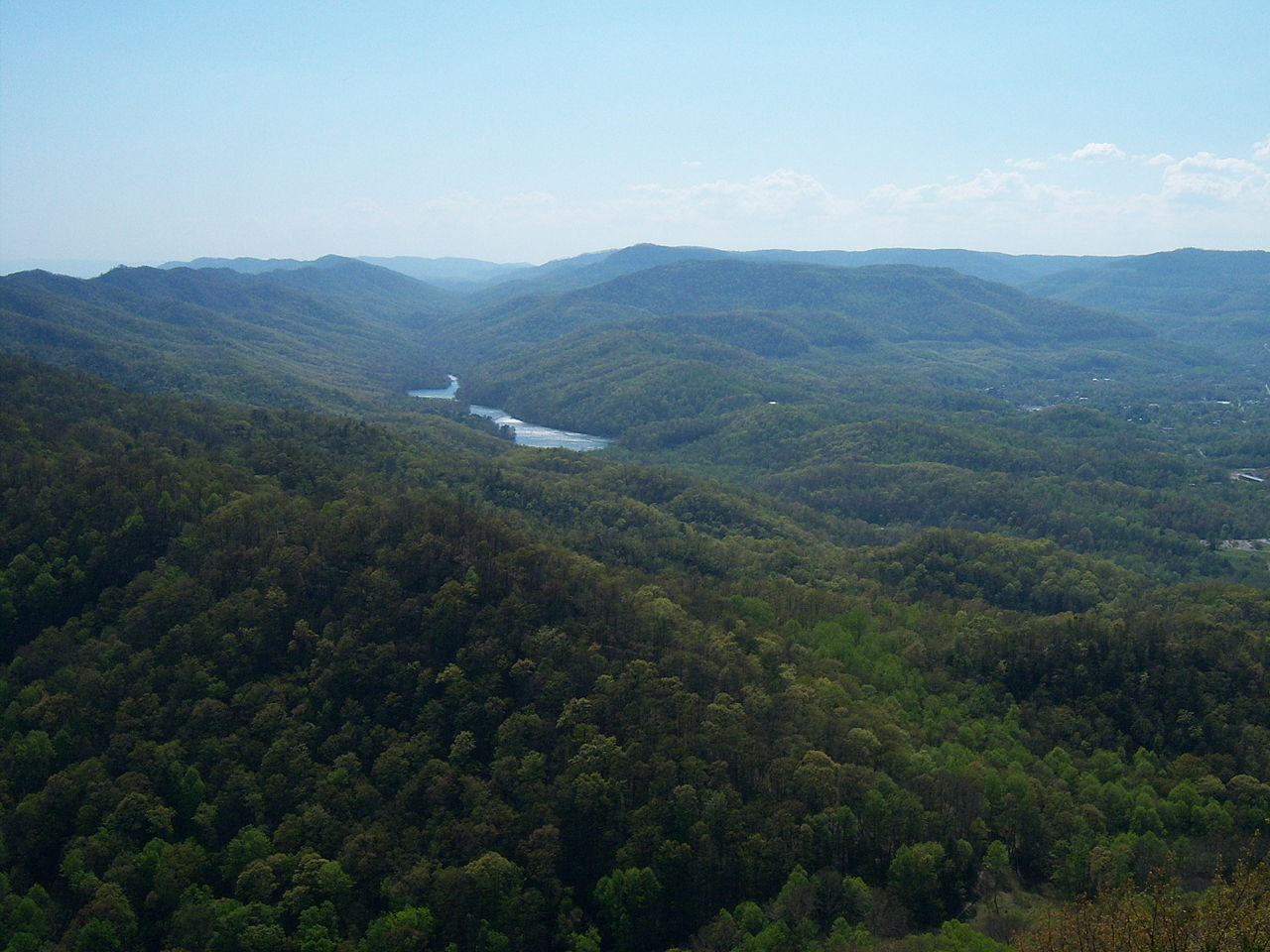




Geography and geology
The term "gap" describes a natural break in the Appalachian Mountains formed by long-term erosion and stream activity that opened a lower corridor through otherwise rugged terrain. The park's landscape includes sandstone and limestone slopes, mixed hardwood forest, karst features such as caves and sinkholes, and prominent overlooks that afford panoramic views of the intersecting valleys of three states. These features illustrate regional geology and natural history of the central Appalachians.
Cultural history and passage
For many centuries before European arrival the corridor served as fertile hunting ground and travel route for Native American peoples. In the late 18th century the Cumberland Gap became a principal route for east–west migration along the Wilderness Road; frontiersmen such as Daniel Boone and thousands of others used trails through the gap to reach lands that later became Kentucky. Historians estimate that across several decades many thousands of settlers passed this way; some accounts suggest as many as several hundred thousand people traveled through the gap during the peak years between the 1770s and the early 19th century, though exact totals remain uncertain.
Historic sites and interpretation
The park preserves and interprets a range of human stories, from ancient Indigenous use to frontier migration and early 20th-century mountain life. Hensley Settlement, an isolated Kentucky mountain community preserved within the park, illustrates domestic life and local building traditions from the early 1900s. Gap Cave is a major natural and historic attraction that has been used as shelter and storage over time; ranger-guided cave tours explore its passages and natural history. Exhibits at the visitor center present archaeology, settlement history and natural science to help visitors understand the layered past of the corridor.
Visitor activities and recreation
Visitors can begin at the park's visitor center and museum for orientation, exhibits and seasonal programs. Popular activities include driving to principal overlooks, hiking sections of trail, taking ranger-led tours of Gap Cave, and visiting Hensley Settlement to see preserved structures. The long-distance Appalachian Trail passes near the park, offering additional options for day hikes and long-distance hiking access. The park also hosts traditional music programs, living history demonstrations and cultural events that interpret regional heritage.
- Guided Gap Cave tours and cave natural history
- Hensley Settlement and historic building interpretation
- Scenic overlooks, short trails and day hikes
- Ranger programs, music festivals and cultural demonstrations
Conservation, research and partnerships
As a National Historical Park, Cumberland Gap focuses on protecting geological features, cultural resources, and native habitats while providing safe public access. Park staff work with volunteers, local communities, scholars and partner organizations to maintain trails, stabilize historic structures, carry out archaeological study, and manage habitats for native plants and wildlife. Ongoing interpretation aims to present multiple perspectives, including Indigenous history, the experience of migrants and the lives of mountain settlers.
Access and practical information
The park is managed to balance preservation with visitor access. For current hours, guided-tour schedules, trail conditions and safety advisories consult the park's visitor information and cooperating agencies. Planning resources and educational materials can be found through park links and regional heritage partners; see official pages for further details at Cumberland Gap information, the park services portal at park services, and related state or regional pages for Virginia, Kentucky and Tennessee.
Whether visited for scenery, history or outdoor recreation, Cumberland Gap National Historical Park offers a concentrated example of how a natural corridor shaped movement, settlement and culture in eastern North America. Visitors are encouraged to consult official resources before traveling and to respect park rules that protect its natural and cultural values.
Related articles
Author
AlegsaOnline.com Cumberland Gap National Historical Park Leandro Alegsa
URL: https://en.alegsaonline.com/art/24638
Sources
- nps.gov : Visitor Center
- travel.nytimes.com : "The Cumberland Gap, the Notch America Squeezed Through"