
Cumbernauld — planned town in North Lanarkshire, Scotland
Cumbernauld is a post‑war planned town in North Lanarkshire, Scotland, known for its New Town origins, modernist architecture, green spaces and Broadwood Stadium, home to Clyde F.C.
Overview
Cumbernauld is a town in central Scotland that grew rapidly in the mid‑20th century as a planned community. Located within North Lanarkshire, it sits near transport links into Glasgow and has a mix of residential neighbourhoods, parks and civic facilities.
Image gallery
10 Images


History and development
Designated as a post‑war New Town, the town was developed to accommodate population pressures and to decentralise industry from larger cities. The planning emphasised separated neighbourhoods, generous green corridors and modern housing. Many buildings reflect post‑war modernist and concrete design trends.
Characteristics and landmarks
- Town centre and shopping areas that serve the surrounding region.
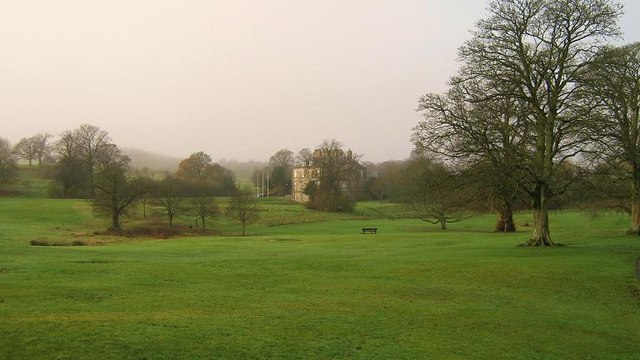
- Historic sites and houses retained near newer developments, linking older settlement patterns to the modern town.
- Parkland and woodland corridors that provide recreational space and wildlife habitat.
Transport, economy and community
Cumbernauld benefits from road and rail links enabling commuting and trade. Local services, light industry and retail form the economic base, while community centres, schools and cultural activities support a diverse population. The town balances built areas with significant green space, a feature often highlighted in planning documents.
Sport and cultural life
Sport is an active part of town life. The town hosts Broadwood Stadium, where Clyde F.C., a Scottish football club, plays its home matches. The presence of organised sport and local clubs contributes to community identity and regular events. For context on Scottish competitions and football structure see Scottish football.
Further information
Cumbernauld is one of several Scottish towns that illustrate post‑war planning approaches in the UK. For regional context and governance see the council area of North Lanarkshire and national resources on Scotland.
Related articles
Author
AlegsaOnline.com Cumbernauld — planned town in North Lanarkshire, Scotland Leandro Alegsa
URL: https://en.alegsaonline.com/art/24647