
Cumans: Turkic nomads of the Eurasian steppe
Cumans were a medieval Turkic nomadic people of the Black Sea steppe. They shaped politics, warfare and culture across Eastern Europe before dispersing after the 13th‑century Mongol expansions.
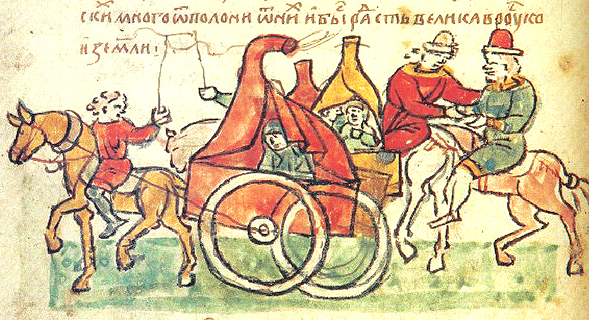
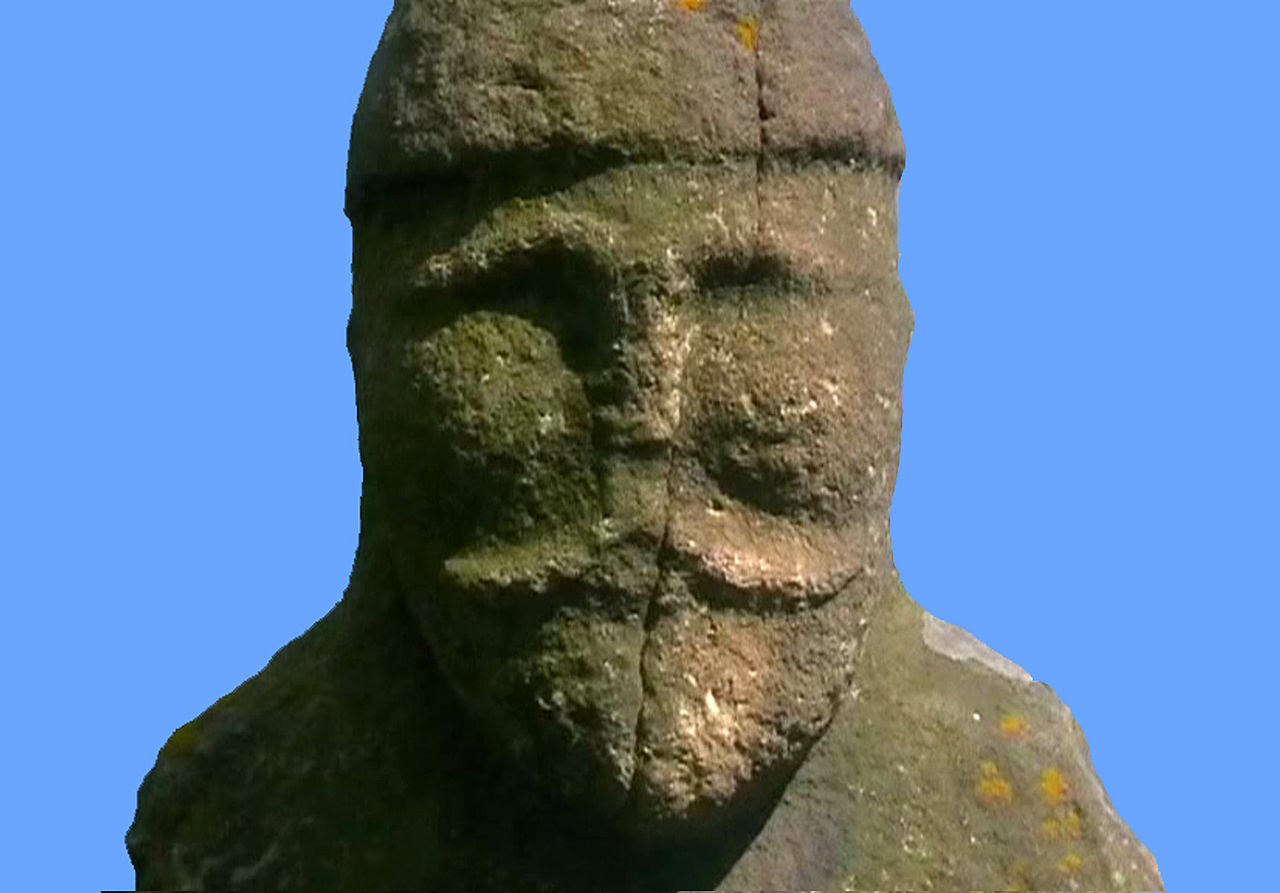
The Cumans were a confederation of Turkic-speaking nomadic peoples who dominated large parts of the Eurasian steppe north of the Black Sea from about the 10th to the 13th century. They are often associated with the wider Kipchak cultural and linguistic sphere and appear in many medieval sources under a variety of names. Their mobility, horsemanship and role as mercenaries made them influential in the affairs of Kievan Rus', Byzantium, Bulgaria and Hungary.
Image gallery
10 Images





Origins, name and language
Originating on the Pontic–Caspian steppe, the Cumans spoke a Kipchak branch Turkic language usually called Cuman. Contemporary chroniclers used different names — Cumans, Polovtsi in Slavic texts, and Kipchaks in some sources — reflecting overlapping identities among steppe groups. Their homeland is commonly described as the Black Sea steppes and adjacent grasslands.
Society and economy
As pastoral nomads, Cumans lived in portable dwellings and kept herds of horses, sheep and cattle. Social organization centered on tribal clans and confederations led by khans and aristocratic families. Wealth and status depended on flocks, military capacity and control of trade routes that crossed the steppe.
Warfare and relations with states
Cuman warriors were skilled horse-archers who served as both raiders and allies. They fought alongside and against neighboring polities: they allied with Kievan princes in campaigns, served as mercenaries for Byzantine and Balkan rulers, and sometimes raided settled lands. Their presence shaped frontier politics across Eastern Europe.
- Light cavalry tactics and mounted archery
- Tribal confederation under khans
- Frequent alliances and mercenary service
The 13th-century westward thrust of the Mongol Empire shattered many steppe confederations. Defeated or displaced Cumans migrated in several directions: some were absorbed into neighboring states, others fled into the Kingdom of Hungary where they sought refuge and were later settled and partially assimilated.
Legacy
Although the Cumans ceased to exist as a distinct political power after the Mongol disruptions, they left lasting traces in regional demography, place names, military practice and language. Elements of Cuman culture persisted in successor populations across Hungary, the Balkans and the Crimea, and their story illustrates the dynamic interactions between nomadic and settled societies in medieval Eurasia.
Related articles
Author
AlegsaOnline.com Cumans: Turkic nomads of the Eurasian steppe Leandro Alegsa
URL: https://en.alegsaonline.com/art/24632