
Dakota people
The Dakota are one of the principal divisions of the Sioux (Oceti Sakowin), traditionally of the Upper Midwest. This article outlines their branches, language, history, culture, governance, and contemporary initiatives.
Overview
The Dakota are an Indigenous people of the North American plains and woodlands, often identified as one of the three main divisions of the Sioux nation (Oceti Sakowin). The autonym Dakota is commonly translated as "allies" or "friends" in the Dakota language. Their language is part of the Siouan family and comprises closely related dialects. Dakota communities maintain distinct cultural practices and political identities while sharing historical and linguistic ties with the Lakota and Nakota groups. For general background and research materials, see scholarly resources.
Image gallery
3 Images
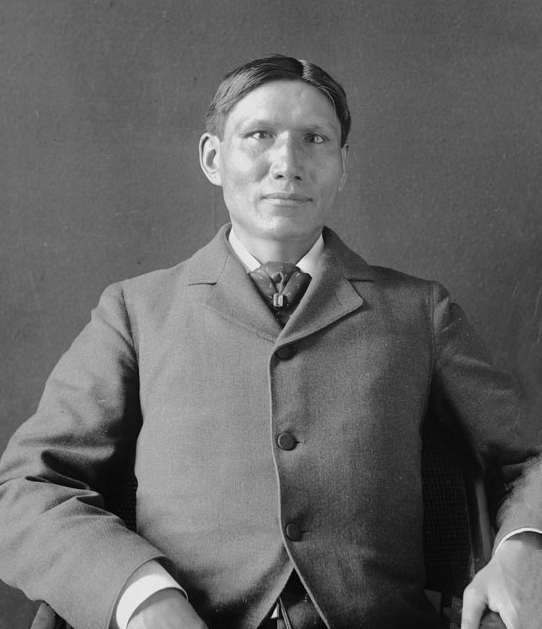

Branches and dialects
Scholarly and community practice usually distinguishes an Eastern Dakota and a Western Dakota grouping. The Eastern Dakota, often called the Santee, historically lived in areas of present-day central Minnesota, eastern parts of the Dakotas, and northern Iowa. The Western Dakota include groups commonly known as the Yankton and Yanktonai, whose traditional territory centered along the Missouri River and adjacent plains. These groupings correspond to dialectal differences and to historical patterns of movement and alliance. For comparative material within the larger Sioux context, consult a general treatment of Sioux peoples at Sioux peoples.
Territory and history
Before extended Euro-American settlement, Dakota bands moved seasonally across river valleys, prairie, and woodlands to hunt, fish, gather, and cultivate crops in favorable places. The arrival of European and Euro-American traders, settlers, and governments in the 18th and 19th centuries brought new trade opportunities but also disease, pressure on resources, and a succession of treaties that altered landholding patterns. Conflicts over land and treaty terms, notably including the Dakota War of 1862 in Minnesota and subsequent military and legal actions, led to major population displacements, loss of territory, and the establishment of reservations. Regional histories and river-corridor studies offer further context at regional histories.
Language and revitalization
The Dakota language is one branch of the Siouan language family and is closely related to Lakota and Nakota dialects. Contemporary efforts to preserve and revitalize Dakota include language classes, immersion programs, school curricula, digital resources, and community-driven documentation projects. These initiatives aim to support intergenerational transmission and to integrate language learning with cultural programs. Educational and cultural centers often list resources and programs; see a selection of community portals at cultural centers and broader listings at regional archives.
Culture and social organization
Dakota social life has traditionally centered on kinship, extended family networks, and bands that coordinated seasonal subsistence activities. Housing and material culture adapted to lifestyle: tipi use was common among mobile hunting groups, while more stationary areas supported planted crops and different dwellings. Spiritual life includes diverse ceremonies, seasonal observances, and oral traditions; art forms such as beadwork, quillwork, textiles, and storytelling remain important. Contemporary artists and cultural practitioners often blend traditional forms with new media and interpretations.
Modern governance and communities
Many Dakota live on reservations, in First Nations and tribal communities, and in urban centers. Numerous federally recognized tribes and bands represent Dakota people, each with its own government, services, cultural programming, and legal status. Contemporary priorities commonly include sovereignty and self-determination, economic development, health and education services, language revitalization, and cultural preservation. Official tribal directories and governmental resources provide information about specific nations and programs; see general tribal information at tribal directories.
Distinctions, relations, and identity
It is important to distinguish Dakota from related group names: Lakota and Nakota refer to distinct but related dialects and historical formations within the larger Sioux nation. Historical records sometimes misapplied these terms, so contemporary scholarship and tribal officials emphasize respectful and accurate self-identification. Dakota people continue to contribute to regional culture, politics, scholarship, and the arts, and they maintain active programs to transmit language, ceremonies, and community knowledge to younger generations. For introductory overviews and research guides, consult general resource portals such as scholarly resources and community listings at tribal directories.
- Key concepts: Dakota language (Siouan family), Santee (Eastern Dakota), Yankton/Yanktonai (Western Dakota).
- Historical notes: seasonal lifeways, treaty history, removal and reservation periods, conflicts such as the Dakota War of 1862.
- Contemporary focus: language revitalization, cultural preservation, sovereignty, healthcare, education, economic development.
- Further reading and resources: cultural centers at regional cultural centers, archival materials at archives, comparative studies at Sioux peoples, and regional studies at regional histories.
Questions and answers
Q: What are the Dakota people?
A: The Dakota people are a Native American tribe and a part of the First Nations.
Q: How many main subcultures do the Sioux people have?
A: The Sioux people have three main subcultures, and the Dakota people make up two of them.
Q: What are the two subcultures of the Dakota people?
A: The two subcultures of the Dakota people are the Eastern Dakota/Santee and the Western Dakota/Yankton or Yanktonai.
Q: Where are the Eastern Dakota/Santee located?
A: The Eastern Dakota/Santee are located in the eastern Dakotas, central Minnesota and northern Iowa.
Q: Where are the Western Dakota/Yankton or Yanktonai located?
A: The Western Dakota/Yankton or Yanktonai are located in the Missouri River area.
Q: Were the Dakota people ever mistaken for the Nakota?
A: Yes, the Dakota people were often mistaken for the Nakota, who are actually a group of tribes that separated from the Sioux nation in earlier times.
Q: How many federally recognized tribes do the Eastern and Western Dakota have?
A: Both the Eastern and Western Dakota have many federally recognized tribes.
Related articles
Author
AlegsaOnline.com Dakota people Leandro Alegsa
URL: https://en.alegsaonline.com/art/25165
Sources
- news.minnesota.publicradio.org : "Execution and expulsion"
- ethnologue.com : "Dakota."