
Cuisine of the United States: History, Regions, and Signature Dishes
An overview of United States cuisine covering historical influences, regional styles, characteristic ingredients, notable dishes, and modern trends shaping American food culture.
Overview
The cuisine of the United States is a broad, evolving collection of cooking styles, ingredients, and foodways shaped by geography, immigration and Indigenous traditions. Rather than a single unified cuisine, it is better described as a mosaic: regional specialties, urban innovations and national trends coexist and cross-pollinate. The arrival of Europeans during the European colonization era introduced new livestock, grains and culinary techniques, which combined with native foods to form many familiar American dishes.
Image gallery
10 Images



Regional and historical influences
Long before colonization, Native American peoples relied on wild plants, maize, beans, squash and plentiful seafood, including local fish, shellfish and sea mammals in coastal areas. Colonial settlers adapted Old World recipes to New World ingredients, and successive waves of immigrants—Italian, German, Jewish, Chinese, Mexican and many others—further diversified the culinary landscape.
Regional identities remain strong: New England favors seafood and simple preparations, the South emphasizes slow-cooked dishes and deep frying, the Midwest is known for hearty comfort foods, the Southwest blends Indigenous and Mexican influences, and the West Coast is associated with fresh produce and fusion cuisine. The historic development from local, seasonal cooking to industrialized and fast-food systems in the 19th and 20th centuries also shaped nationwide eating habits.
Characteristics, ingredients and techniques
Common characteristics include an embrace of convenience and innovation, a mix of comfort and novelty, and an openness to adapting foreign dishes. Staples include corn (maize), wheat, beef, pork, poultry, dairy, beans and a wide variety of fruits and vegetables. Techniques range from grilling and smoking to deep frying and baking; preservation methods such as pickling and curing have longstanding regional importance.
Signature dishes and examples
Some foods have become emblematic at both regional and national levels. Examples include:
- Pizza—an adaptation of the traditional pizza introduced by Italian immigrants and reinvented in styles like New York and Chicago.
- Barbecue—slow-smoked meats with regional sauces and techniques across the South and Midwest.
- Fried chicken—deeply associated with the Southern United States, yet widely enjoyed nationwide, often tied to family and communal meals; see also fried chicken.
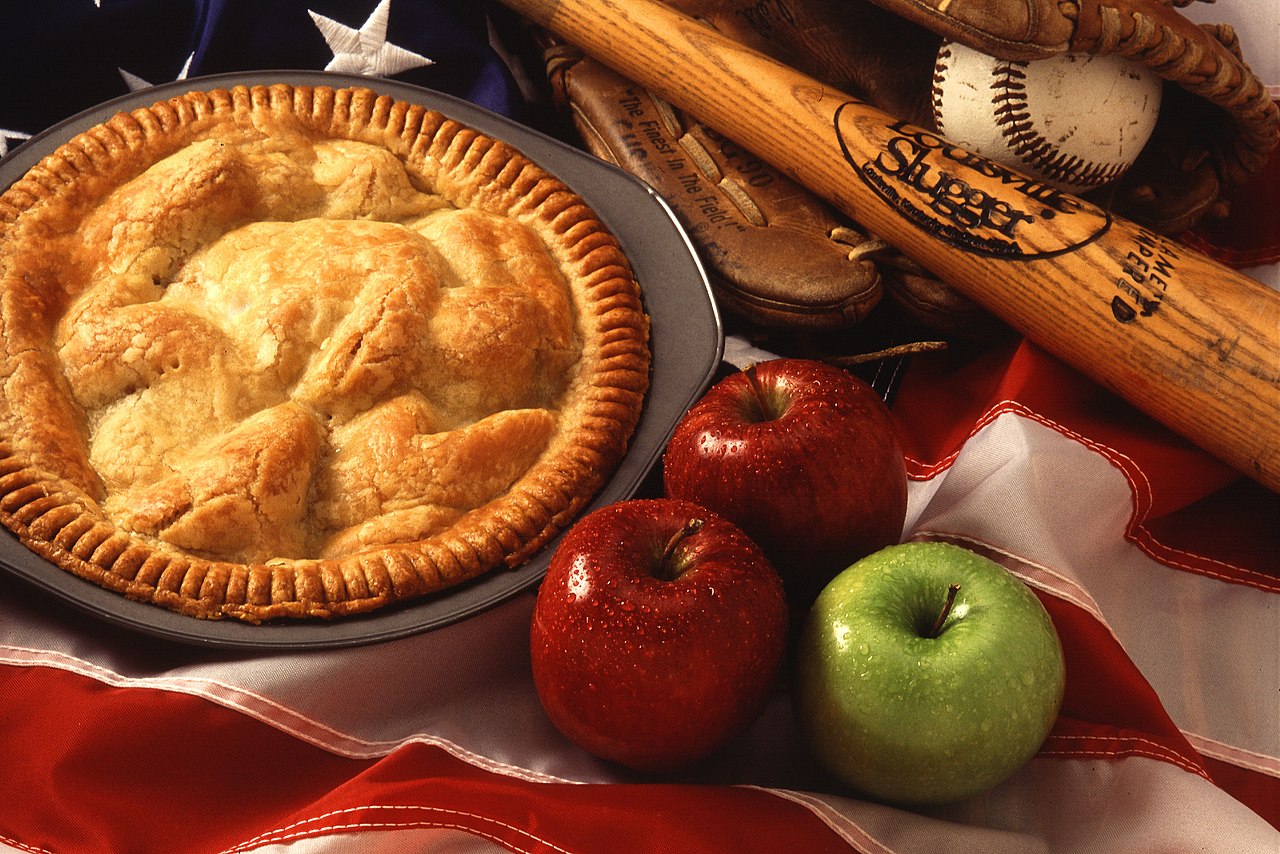
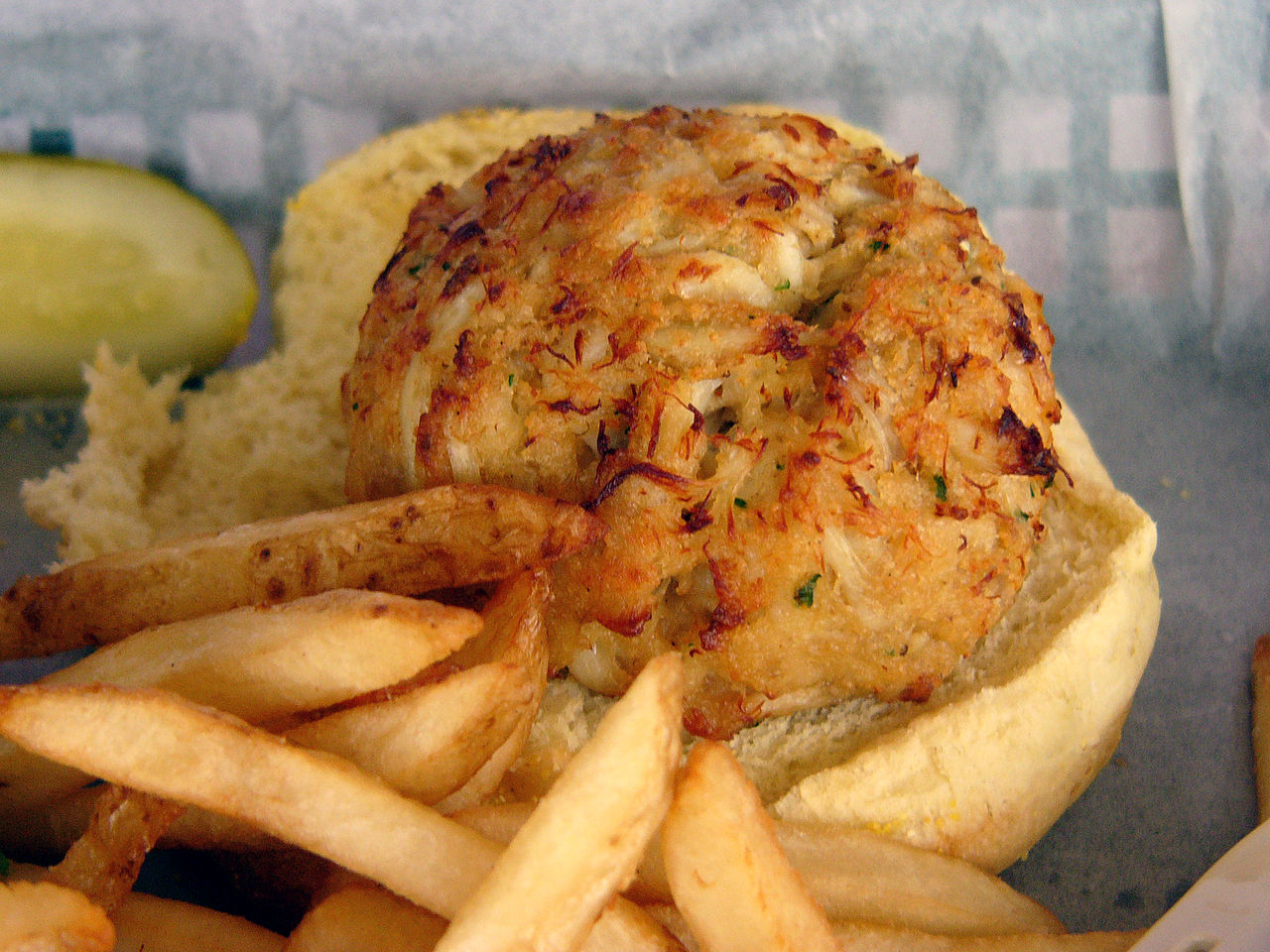
- Burgers, sandwiches and pies—ubiquitous items that reflect industrial food systems and local variations.
Modern trends and notable facts
Contemporary American cuisine includes farm-to-table and organic movements, increased interest in regional and Indigenous foods, fusion cuisines that blend traditions, and a strong fast-food industry that exported American dining styles globally. Culinary education, food media and changing demographics continue to influence what Americans cook and eat. While many dishes have recognizable origins, the United States remains a place where recipes evolve rapidly through innovation, adaptation and the mixing of global influences.
For further reading on particular regions, historical eras or ingredients, consult specialized sources and culinary histories that explore how local landscapes and immigrant communities shaped the diverse foods commonly associated with American life.
Related articles
Author
AlegsaOnline.com Cuisine of the United States: History, Regions, and Signature Dishes Leandro Alegsa
URL: https://en.alegsaonline.com/art/24578