
Cue stick: design, history, and use in cue sports
A cue stick is the hand-held shaft used to strike the cue ball in games such as pool, snooker and carom billiards. This article describes its parts, materials, history, and common variations.
Overview
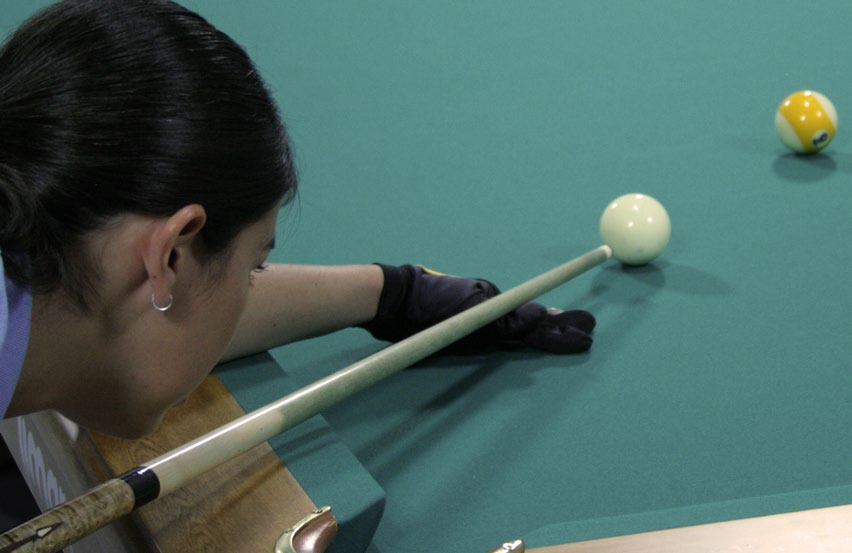
A cue stick, often shortened to cue, is the hand-held implement used to strike a ball in cue sports such as pool, snooker and carom billiards. Cues provide the player with reach, control and the ability to apply spin. While dimensions and balance vary by discipline, most cues are crafted so a player can deliver a straight, repeatable stroke.
Image gallery
10 Images





Basic parts and characteristics
A typical cue is made up of a few distinct sections and components. Commonly listed parts include:
- Tip: the small, usually leather cap that contacts the ball.
- Ferrule: a short stiff piece behind the tip that protects the shaft end.
- Shaft: the long, tapering front portion that affects accuracy and feel.
- Joint: the connection between shaft and butt on multi-piece cues.
- Butt: the thicker rear section, often decorated and fitted with a bumper.
Materials and construction
Most cues are constructed from wood, with maple being a widely used species for shafts because of its straight grain and stiffness. Some modern cues incorporate coverings or full components of other materials; manufacturers may add decorative veneers or functional layers and, increasingly, use synthetic options. For example, cues can be fitted with wraps or sleeves and hybrid components such as composite coverings including carbon fiber or fiberglass to change weight, durability and feel. Typical lengths and weights vary by game and player preference, and tip diameters are chosen to suit shot types.
History and development
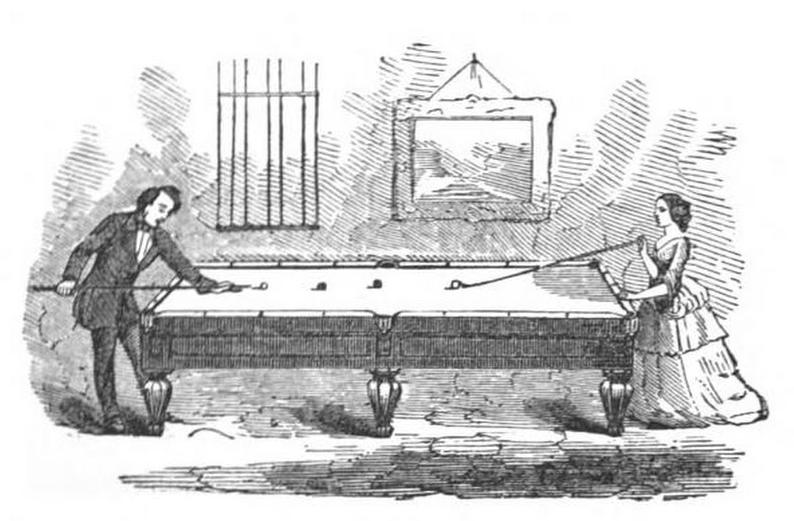
The cue evolved from earlier instruments used to play table games, historically referred to as a billiard stick or mace. Over time the design changed from a large-headed implement to the slender cue that allows precise tip contact. The English-derived term "cue" is related to words historically used to indicate the tail or end of the tool; its modern form and standardized manufacturing grew alongside the codification of table rules in the 18th and 19th centuries.
Uses, variations and technique
Different cue sports favour different cue characteristics: snooker cues tend to be lighter with smaller tips for fine control, pool cues often prioritize power and a comfortable wrap, while carom cues emphasize stiffness and a shorter, thicker profile suitable for precise positional play. Players commonly apply chalk to the tip to increase friction and reduce miscues. Two-piece cues are popular for travel and storage; one-piece cues are used in some traditional settings.
Care and notable facts
Cue maintenance includes protecting the shaft from warping, refreshing tips, and keeping the joint threads clean. Custom cues are a common craft, with makers offering varied balances, inlays and materials to match a player's style. Although cues are simple tools in concept, subtle differences in construction can materially affect shot outcome, making cue choice an important part of a player's equipment decisions.
Related articles
Author
AlegsaOnline.com Cue stick: design, history, and use in cue sports Leandro Alegsa
URL: https://en.alegsaonline.com/art/24552
Sources
- easypooltutor.com : "Cue Maker and Cues Glossary"