
Cryotherapy: uses, types, history, benefits and risks
Cryotherapy uses very low temperatures—applied locally or to the whole body—for medical, rehabilitative and cosmetic purposes. Methods, claimed benefits, evidence and safety considerations are reviewed.
Overview
Cryotherapy refers to the therapeutic use of cold temperatures to treat tissues or the whole body. Techniques range from simple ice packs and cold-water baths to specialized chambers, probe-based freezing in surgery and controlled cooling for cosmetic fat reduction. Proponents report reduced pain, less inflammation, improved recovery after exercise and targeted tissue destruction in medical procedures. The scientific support varies by application: some uses have clear evidence, while others are still under study.
Image gallery
5 Images


Common methods and characteristics
- Local cryotherapy: Ice, cold compresses, or short applications of cold sprays to an injured area; widely used for acute injuries and swelling control.
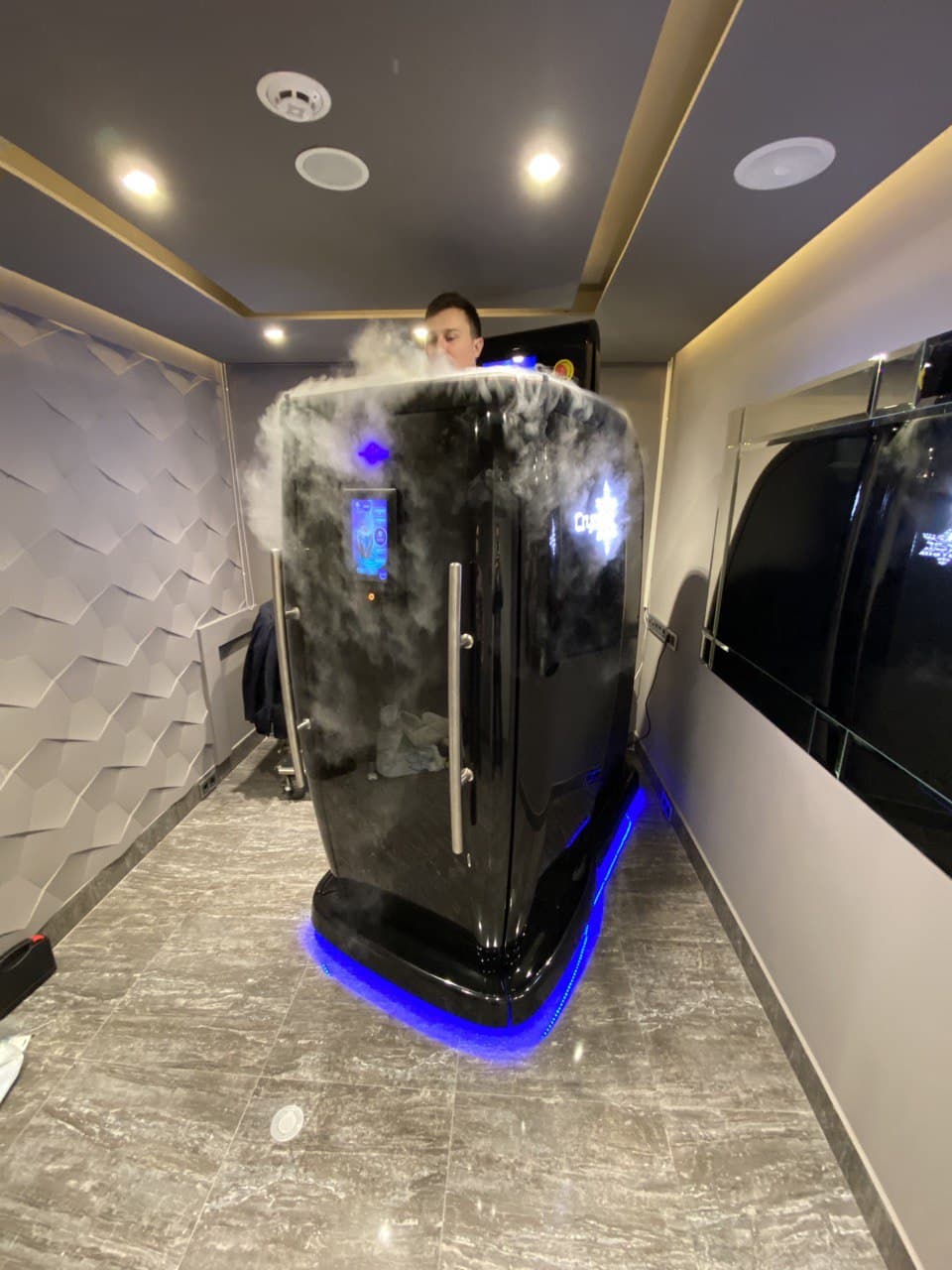
- Whole‑body cryotherapy (WBC): Brief exposure (typically 2–4 minutes) to very cold air in a chamber; air temperatures commonly range from about −110 °C to −160 °C depending on the device and protocol. Participants usually wear minimal clothing plus protective gloves and footwear.
- Cryosurgery / cryoablation: Use of extreme cold (often via liquid nitrogen or cryoprobes) to freeze and destroy abnormal tissue, such as skin lesions, some tumors or abnormal heart tissue in arrhythmia treatment.
- Cryolipolysis: Controlled cooling applied to small areas to damage fat cells selectively for cosmetic contouring (commercial systems often operate at mild subzero temperatures compared with surgical cryoablation).
History and development
The modern medical use of cryotherapy traces back to clinical experiments in the late 20th century. A Japanese rheumatologist began applying very cold air and local freezing to relieve joint pain in the late 1970s, which stimulated further development of whole‑body chambers in Europe and elsewhere. Parallel lines of development produced cryosurgical techniques using liquid nitrogen and, later, catheter-based cryoablation methods for internal organs.
Uses and examples
Cryotherapy has several distinct roles:
- Acute injury care and sports medicine: ice packs and cold baths are common for short-term pain and swelling control after sprains or strenuous exercise.
- Recovery and performance: WBC is promoted by athletes for faster recovery, though clinical trials show mixed results with modest or inconsistent benefits.
- Dermatology and oncology: cryosurgery removes warts, precancerous skin lesions and some small cancers by freezing tissue.
- Cardiology and interventional medicine: cryoablation can treat certain arrhythmias and destroy disease tissue in minimally invasive procedures.
- Cosmetic procedures: cryolipolysis reduces localized fat bulges without surgery for body contouring.
Evidence, effectiveness and risks
Evidence quality varies by indication. Local cooling for acute injuries is well established for short‑term symptom control. Cryosurgery and cryoablation are established medical procedures with defined indications. The benefits of whole‑body cryotherapy for recovery, inflammation reduction or long‑term health are less definitive; some clinical trials report small benefits while others find little effect. Safety considerations include skin frostbite or burns, nerve injury, breathing discomfort in cold air, and systemic stress for people with cardiovascular disease. Contraindications commonly cited include cold intolerance, Raynaud's phenomenon, uncontrolled hypertension and pregnancy. Proper patient selection, device maintenance and trained supervision reduce risks.
Notable distinctions and practical points
- Not all cryotherapy is equivalent: temperatures, exposure times and mechanisms differ greatly between ice packs, WBC, cryosurgery and cryolipolysis.
- Duration matters: whole‑body sessions are brief to limit stress; local cryosurgery intentionally creates deeper freezing with medical monitoring.
- Regulation and standardization vary: commercial cryotherapy centers differ in protocols and oversight, so clinical services and results can be inconsistent.
In summary, cryotherapy is a broad category of treatments using cold for therapeutic or cosmetic aims. Its applications range from simple home care to specialized invasive procedures. Patients should consider evidence for a specific use, potential benefits and known risks, and consult qualified clinicians for medical or high‑intensity treatments.
Related articles
Author
AlegsaOnline.com Cryotherapy: uses, types, history, benefits and risks Leandro Alegsa
URL: https://en.alegsaonline.com/art/24447
Sources
- forbes.com : "What Are The Cold, Hard Facts On Cryotherapy?"
- huffingtonpost.com : "The Cryotherapy Revolution Has Arrived!"
- cancerresearchuk.org : "Cryotherapy | Cancer in general | Cancer Research UK"