
Cyanosis: causes, recognition, and clinical significance
Cyanosis is a bluish discoloration of skin and mucous membranes from reduced oxygen delivery or abnormal hemoglobin. Recognize central vs peripheral forms, causes, assessment, and urgent responses.
Overview
Cyanosis is a visible bluish or purplish tint of the skin and mucous membranes that signals inadequate oxygenation or altered blood flow. It is a sign, not a diagnosis. The color change results when a noticeable portion of circulating hemoglobin is in a reduced (deoxygenated or abnormal) state and the tissues are not receiving enough oxygen. Cyanosis can appear suddenly in emergencies or develop gradually with chronic conditions.
Image gallery
10 Images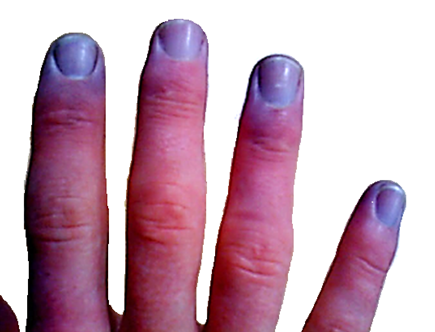




Types and typical presentation
Clinicians usually distinguish two main patterns:
- Central cyanosis: bluish lips, tongue, and central mucosa imply low oxygen content throughout arterial blood and often points to lung or cardiac problems that impair oxygen uptake or circulation.
- Peripheral cyanosis (acrocyanosis): limited to the extremities — fingertips, toes, earlobes — and commonly caused by reduced blood flow to those regions, for example from cold-induced vasoconstriction or low cardiac output.
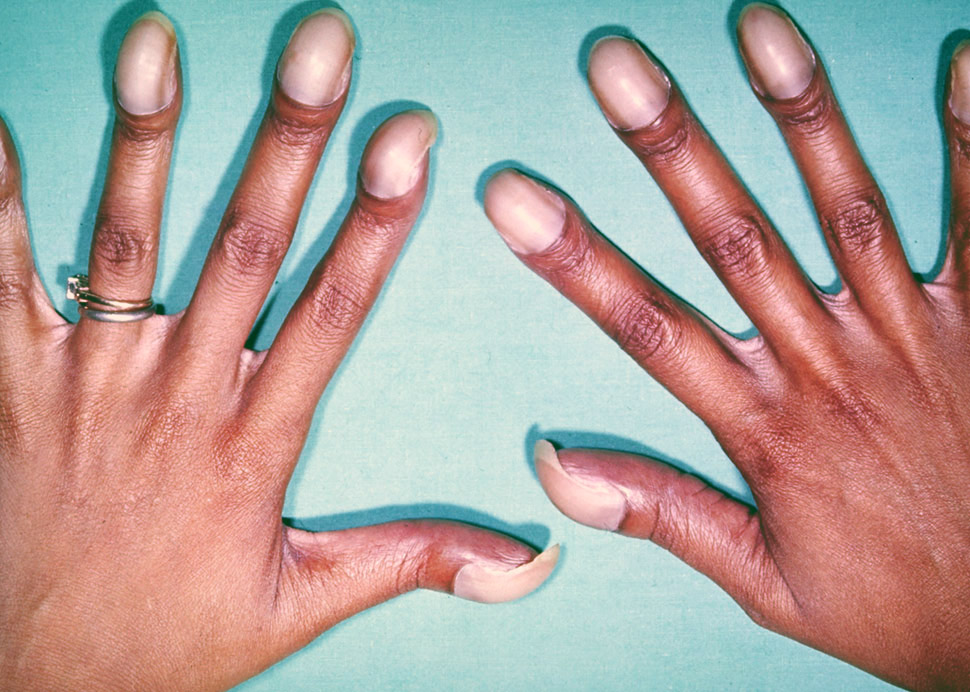
Early signs often appear in the digits, under fingernails and toenails, the lips, tip of the nose, and earlobes. As oxygen delivery worsens, more extensive areas may become discolored.
Common causes
Cyanosis may result from several mechanisms that reduce oxygen delivery or alter hemoglobin:
- Low oxygen in the blood due to lung disease, airway obstruction, or severe hypoventilation.
- Circulatory problems that reduce blood flow to parts of the body — for example shock, cold exposure, or peripheral vascular disease affecting small blood vessels.
- Congenital or acquired heart defects that mix oxygen-poor venous blood with arterial blood or limit pulmonary blood flow; these relate to how well the heart and lungs exchange gases.
- Abnormal forms of hemoglobin (methemoglobinemia, sulfhemoglobinemia) that cannot carry oxygen effectively.
- Marked increases in deoxygenated hemoglobin for any reason, even when total oxygen content is reduced.
Assessment and diagnosis
Recognizing cyanosis requires clinical inspection and measurement. In practice, providers look at exposed mucous membranes and nail beds and may use pulse oximetry or arterial blood gas testing to quantify oxygenation. Pulse oximeters can help but have limitations in certain hemoglobin disorders and in low-perfusion states. Careful evaluation distinguishes true cyanosis from skin pigmentation, bruising, or peripheral vasoconstriction.
Management and clinical importance
Cyanosis is potentially serious because it indicates impaired tissue oxygenation. Immediate steps often focus on the ABCs: secure the airway, support breathing with supplemental oxygen when appropriate, and restore circulation. Specific treatment targets the underlying cause — bronchodilators and ventilation for respiratory failure, medications or procedures for cardiac shunts, antidotes for methemoglobinemia, or warming and improving perfusion in peripheral vasoconstriction.
Notable facts and limitations
The visual detection of cyanosis depends on lighting and skin tone; it may be subtle or missed in people with darker skin. Because it is a sign rather than a disease, clinicians combine the finding with history, vital signs, and laboratory tests to form a diagnosis. The word derives from the Greek root for blue and has been used in medical descriptions for centuries.
For more practical guidance on evaluation and management, see clinical references and review articles: skin and mucous membranes, blood, oxygen, blood vessels, vasoconstriction, heart.
Questions and answers
Q: What is cyanosis?
A: Cyanosis is a medical problem where the skin and mucous membranes turn blue or purple due to lack of oxygenated blood.
Q: What causes cyanosis?
A: Cyanosis can be caused by either decreased oxygen levels in the blood or vasoconstriction, where small blood vessels constrict, reducing blood flow.
Q: Where is cyanosis first seen?
A: Cyanosis is first seen in the extremities, namely the fingertips, toes, lips, tip of the nose, and earlobes.
Q: What happens to the body as cyanosis persists?
A: As cyanosis persists, more of the body becomes cyanotic due to the prolonged lack of oxygenated blood.
Q: Is cyanosis a symptom or a medical condition?
A: Cyanosis is a symptom of a medical problem.
Q: Is cyanosis a serious medical condition?
A: Cyanosis can be indicative of a serious medical condition that requires prompt medical attention.
Q: What medical intervention may be necessary for cyanosis?
A: The underlying medical condition causing cyanosis needs to be identified and treated, often with supplemental oxygen or other medical interventions to improve blood flow.
Related articles
Author
AlegsaOnline.com Cyanosis: causes, recognition, and clinical significance Leandro Alegsa
URL: https://en.alegsaonline.com/art/24839
Sources
- nlm.nih.gov : "Skin discoloration - bluish"