
Croton-on-Hudson, New York
A riverside village in Westchester County, Croton-on-Hudson is a historic commuter community on the Hudson River known for its parks, aqueduct works, and ties to Cold War-era policy research.
Overview
Croton-on-Hudson is a village in the town of Cortlandt in Westchester County, New York, in the United States. Incorporated in 1898, the community sits on the east bank of the Hudson River and has long served as a residential suburb for people who work in New York City. The village population was recorded as 8,070 at the 2010 census. For local information see village resources and regional context at Westchester County, New York State, and national summaries.
Image gallery
6 Images



Geography and infrastructure
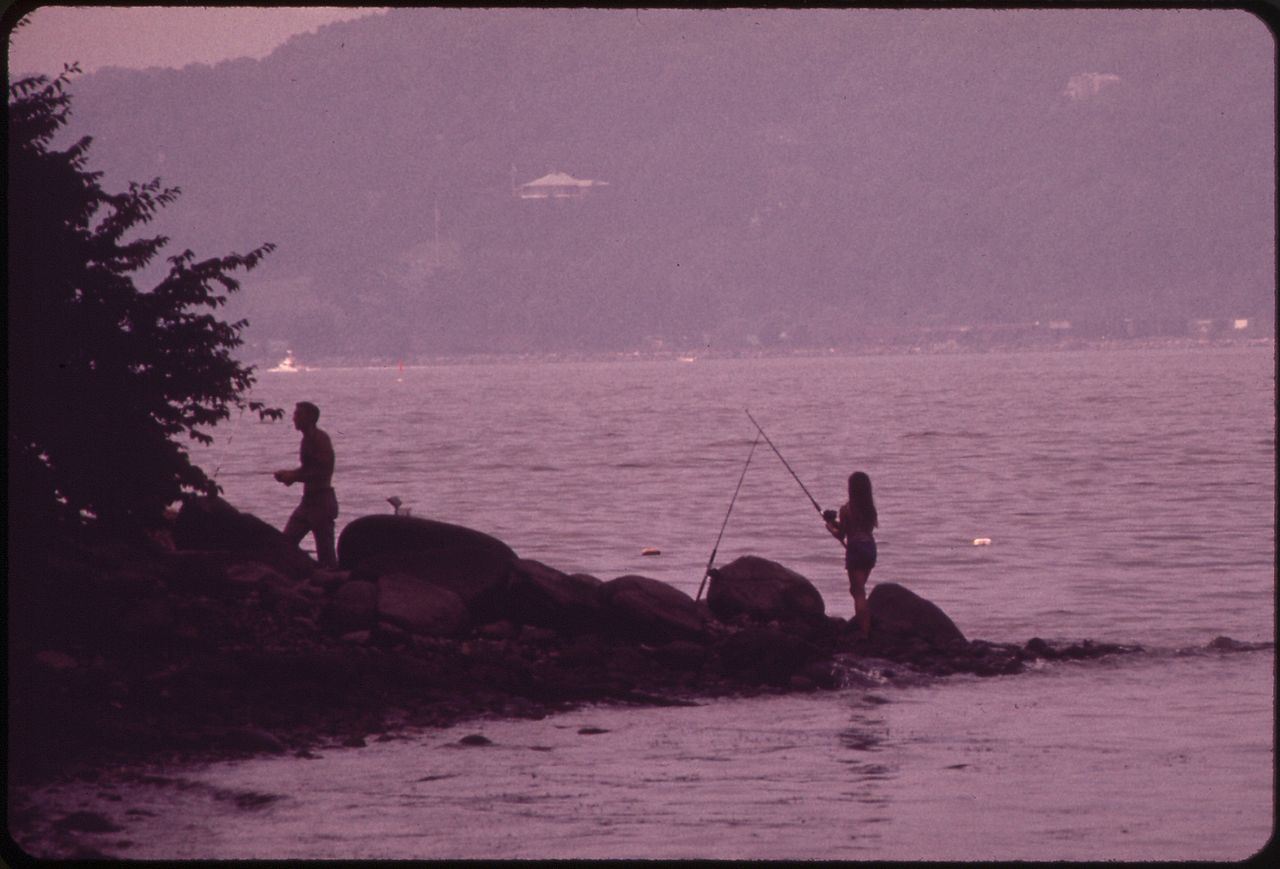
Croton-on-Hudson occupies a small riverfront footprint where the Croton River meets the Hudson. The village is part of the town of Cortlandt and is commonly considered one of New York City's northern suburbs; commuting links and regional ties place it within the broader northern suburbs of the metropolitan area. The village includes a downtown strip, residential neighborhoods, and waterfront access used for recreation and views of the river.
History and development
The site was influenced by Native American habitation and later European settlement along the Hudson River corridor. During the 19th century, major public works associated with New York City's water supply — notably the Old Croton Aqueduct and the New Croton Reservoir and Dam — shaped the local landscape and economy. The village grew as transportation and rail connections improved, enabling suburban development while preserving several historic structures and landscapes.
Community life and transportation
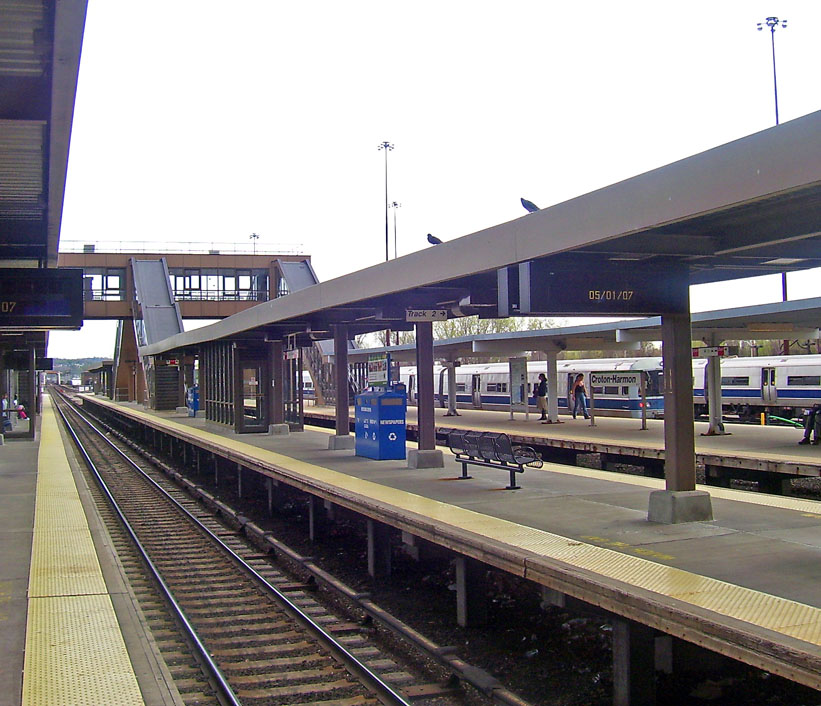
Croton-on-Hudson functions today as a close-knit residential community with schools, local businesses, and cultural activities. The area is served by commuter rail on the Hudson Line at nearby stations, providing regular service to Manhattan and other points south; the station area at Croton-Harmon is a regional transit hub and a gateway for commuters and visitors. Local education and civic organizations contribute to village life and volunteer-based events.
Parks, recreation and environment
The village is notable for riverside parks and green spaces that draw walkers, birdwatchers and boaters. Croton Point Park and Croton Gorge Park, along with trails that follow sections of the historic aqueduct, offer opportunities for outdoor recreation and seasonal festivals. Conservation of shoreline, wetlands and forested parcels remains an important local priority.
Institutions and notable facts
Croton-on-Hudson is associated with a number of institutions, including the original home of the Hudson Institute, a Cold War-era think tank that contributed to strategic and policy debates. The village’s role in supplying and protecting parts of New York City's water system is a defining historic legacy. For additional reading and archival materials, consult regional histories and institutional pages such as regional planning, think tank history, and discussions of the Cold War era. For topics related to military strategy and ethical debate, see resources on nuclear policy.
Related articles
Author
AlegsaOnline.com Croton-on-Hudson, New York Leandro Alegsa
URL: https://en.alegsaonline.com/art/24365