
Cursor (computer pointer and text caret): function, types, and usage
A cursor indicates where input or actions will take effect on a screen. This article explains cursor types, appearance, behavior, controls, history, accessibility, and common distinctions.
A cursor is a visible marker on a computing display that indicates where input from a mouse, keyboard, or other device will operate. In general usage the word "cursor" covers two different, though related, indicators: the pointing device image controlled by a mouse or touchpad, and the text insertion point used while editing text. Because the cursor shows where actions will take effect, it is central to interaction design and everyday tasks such as selecting objects, entering text, drawing, or resizing windows. See screen and display for related concepts.
Image gallery
2 Images
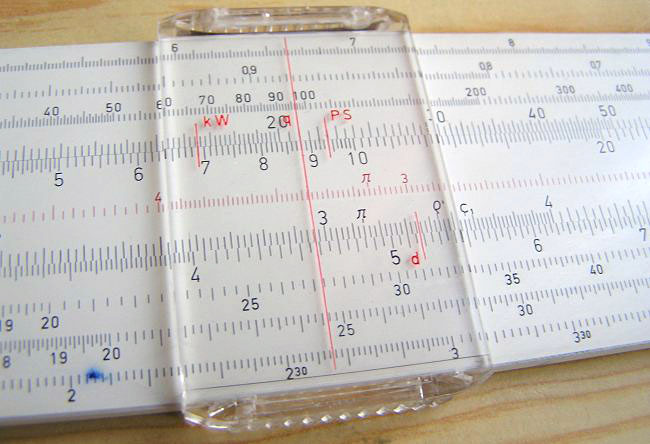
Common types and appearances
Two cursor forms are most familiar to users:
- Pointer or mouse cursor: an on-screen symbol moved with a mouse, trackpad, or stylus. It often appears as an angled arrow but can change shape for different actions (for example, a hand for links or a spinning icon when busy). Modern systems allow animated or themed pointers; developers can change the cursor appearance for specific interface elements. Links to device and control documentation are sometimes shown via keyboard and mouse resources.
- Text cursor (caret): a blinking vertical bar or block that marks the insertion point within editable text. The caret indicates where typed characters will appear and how selection and navigation keys move focus in a document.
Behavior and control
Cursors can be moved in several ways: by moving a pointer device, by pressing arrow or navigation keys on a keyboard, or by tapping on a touchscreen. The operating system or application keeps track of a cursor's position in screen coordinates and often uses a "hotspot"—a defined pixel within the pointer shape that represents the exact target point. When text is entered the caret advances; pressing Enter moves insertion to the next line in many editors. Some applications support specialized modes, such as locked or relative pointer movement for games, and drag-and-drop operations that change the pointer image.
Uses, examples, and accessibility
Cursors are essential for selection, editing, and precision work. Graphic design programs use crosshairs or brushes, spreadsheet programs show a cell focus, and web browsers show a hand over links. Accessibility features let users enlarge or recolor cursors, provide high-contrast themes, or enable keyboard-only control for people who cannot use pointing devices. Screen readers and focus rings complement visual cursors for users with low vision. For information on devices and pointers, see mouse device and pointer shapes.
History and notable distinctions
Early computing relied mainly on text-mode prompts and had no visible pointer; graphical interfaces introduced the on-screen pointer and a visible text caret to bridge visual and textual interaction. It is useful to distinguish between the terms: pointer usually means the movable screen image controlled by a pointing device, while caret or insertion point denotes the blinking marker in text. On touch-driven devices the pointer is often hidden and touch feedback replaces it, but the text caret remains important for text entry and selection. For more on text cursor visuals, see vertical line.
Technical notes and tips
Developers can customize cursors via system APIs and styles (for example, using CSS for web pages). Important technical concerns include defining a clear hotspot, providing fallbacks for accessibility, and ensuring cursor changes communicate state (clickable, busy, forbidden, resize). Understanding cursors helps users interact more efficiently and designers create clearer interfaces.


Caret as a designation for cursor
In some programs (e.g. Xfig) or within some window managers like the Common Desktop Environment, a circumflex (caret) is used as a cursor. The advantage is that the cursor does not cover the actual text and therefore does not have to be very narrow or blinking.
Even though the circumflex is rarely used anymore, some users still generally refer to the keyboard cursor as "caret" to better distinguish it from the mouse cursor. Others use the terms "mouse cursor" and "text cursor" for the same reason.

Database cursor
However, the term cursor is not only used in computer science for text processing, but also for network databases and relational databases, the data structure that indicates the current position when reading or writing data records (see Iterator).
Related articles
Author
AlegsaOnline.com Cursor (computer pointer and text caret): function, types, and usage Leandro Alegsa
URL: https://en.alegsaonline.com/art/24736