
Crosier (ecclesiastical staff)
A crozier is a ceremonial staff carried by bishops and other church leaders as a symbol of pastoral authority, shaped like a shepherd's crook and made in many styles and materials.
A crozier, often spelled crosier, is the ceremonial staff carried by high-ranking Christian clergy as a symbol of pastoral authority and guidance. Its form evokes a shepherd's crook: a curved or hooked top meant to represent the bishop's role as a spiritual shepherd caring for a flock. The crozier appears in liturgy, processions, portraiture and church art across many Christian traditions.
Image gallery
10 Images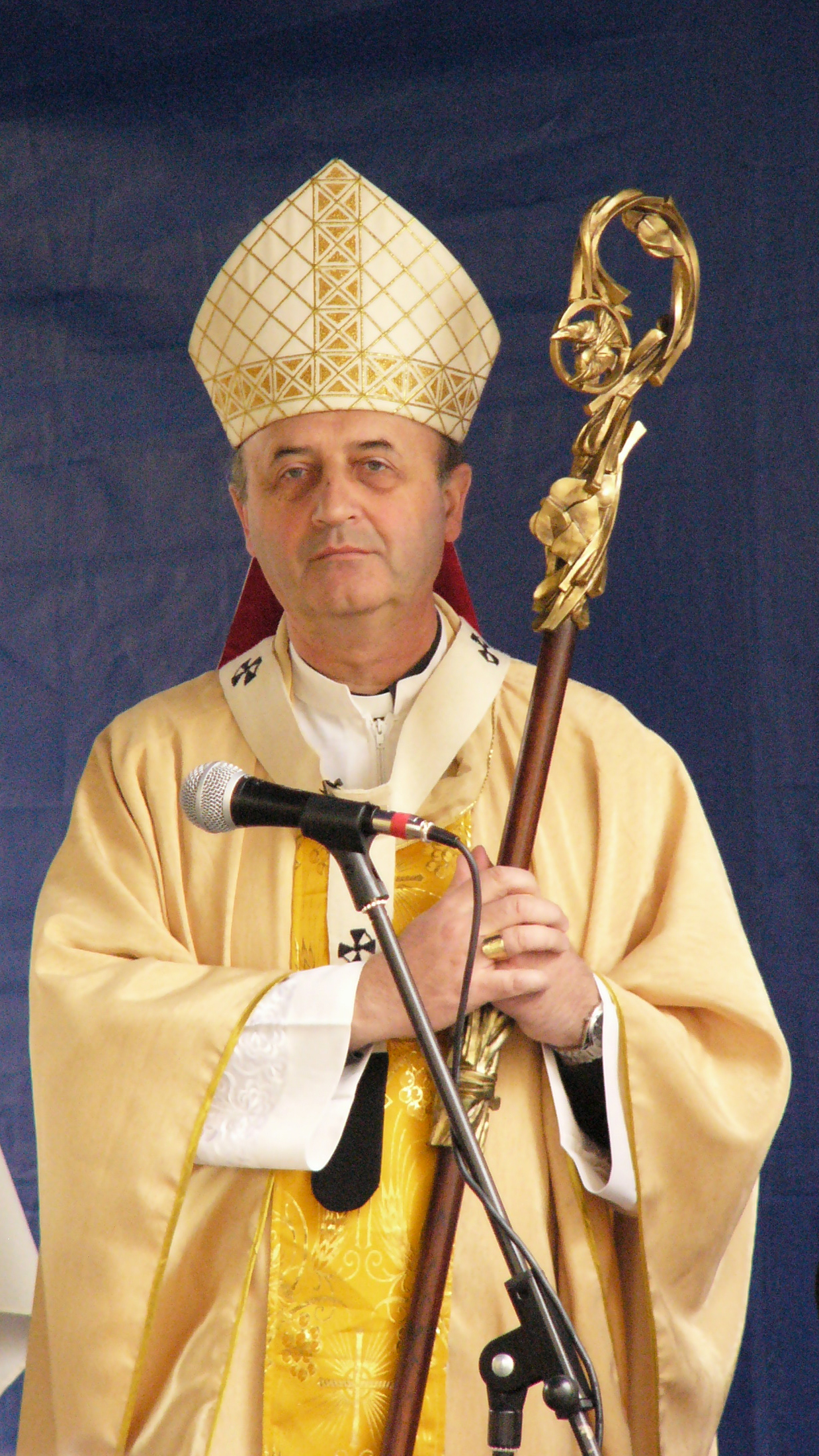


Design and parts
Although styles vary, most croziers share basic elements: a long shaft (often called the staff), a curved head (the crook), and decorative fittings such as a knop, collar or ferrule. Materials range from simple wood to gilt metal, enamel and gem-set precious metals. Some early medieval and modern examples include intricate openwork heads or two opposing curls, while other forms use a straight top in the shape of a tau.
History and development
The crozier developed from the practical shepherd's staff and became associated with episcopal office in the early centuries of Christianity. Over time it evolved into an ornate symbol of jurisdiction and care. Variations reflect regional artistic traditions, theological emphases and liturgical uses. In art and heraldry the crozier is a frequent attribute used to identify bishops, abbots and certain monastic superiors.
Uses and ceremonial role
- Liturgical: carried in processions and placed near the celebrant as a sign of office.
- Symbolic: signals pastoral responsibility, authority to teach and govern.
- Iconography: appears in seals, portraits and coats of arms to denote ecclesiastical rank.
Different offices use related staffs: the shepherd's staff analogy explains the crook shape, while many bishops and certain abbots carry it as a visible emblem. The leader of the Roman Catholic Church sometimes uses a distinct papal staff called the ferula; this instrument is not identical to all croziers but serves a similar ceremonial purpose, and popes have used various designs over time (Pope is often depicted with or without a staff depending on liturgical custom).
In summary, the crozier is both a functional object of processional use and a rich symbol of pastoral care, with many styles reflecting centuries of craftsmanship and ecclesial tradition.
Related articles
Author
AlegsaOnline.com Crosier (ecclesiastical staff) Leandro Alegsa
URL: https://en.alegsaonline.com/art/24311