
Croix-en-Ternois
Croix-en-Ternois is a small commune in Pas-de-Calais, northern France, known for its rural character and a nearby motor racing circuit; it lies within the historical Nord-Pas-de-Calais area.
Croix-en-Ternois is a French commune located in the Pas-de-Calais department of northern France. Administratively it is one of many small municipalities that make up the rural fabric of the region; for basic administrative information see the local communal page. Historically the area is associated with the former region of Nord-Pas-de-Calais, now part of the larger Hauts-de-France region administrative context.
Image gallery
2 Images
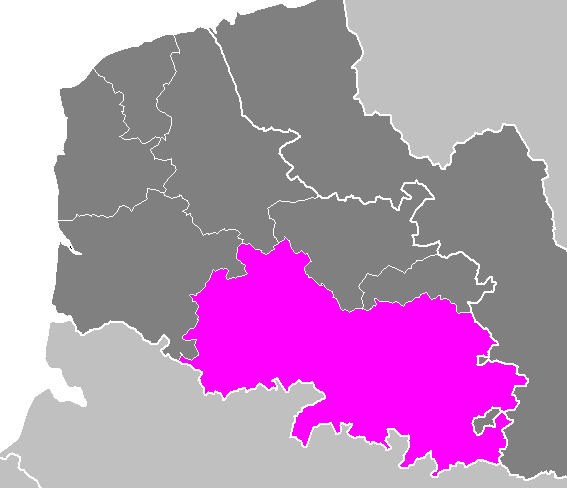
Geography and administration
The village sits amid gently rolling farmland typical of Pas-de-Calais and is linked by local roads to neighbouring towns and villages. Local governance follows the French commune model, with a mayor and municipal council responsible for services such as planning, schools and maintenance. For department-level matters refer to Pas-de-Calais resources.
History and development
Croix-en-Ternois has rural origins and shares much of the region's history: agricultural development, medieval settlement patterns, and the transformations brought by modern infrastructure. Like many communities in northern France it experienced the effects of twentieth-century conflicts, reconstruction and changing agricultural practices. Broader regional history can be explored via regional archives.
Economy, culture and notable sites
The local economy remains largely agricultural, with small businesses serving residents. The commune is best known beyond the immediate area for the nearby Circuit de Croix-en-Ternois, a motor racing track that hosts national and club events and attracts visitors for sport and leisure. Other local points of interest include the parish church, community spaces and memorials typical of communes in northern France. Practical visitor information and events are often listed on municipal or tourism pages such as local tourism.
- Key features: rural landscape, local governance, community life.
- Notable nearby facility: Circuit de Croix-en-Ternois (motor sport).
- Access: regional road links to larger towns and departmental services.
Croix-en-Ternois exemplifies many small northern French communes: modest in size, rooted in agriculture, and connected to wider cultural and sporting networks that give it a profile beyond its immediate population.
Related articles
Author
AlegsaOnline.com Croix-en-Ternois Leandro Alegsa
URL: https://en.alegsaonline.com/art/24280