
Crewe: Railway town and industrial centre in Cheshire, England
Crewe is a town in Cheshire, England, notable for its historic railway junction, Crewe Works, automotive manufacturing (Bentley, formerly Rolls‑Royce) and the football club Crewe Alexandra.
Overview
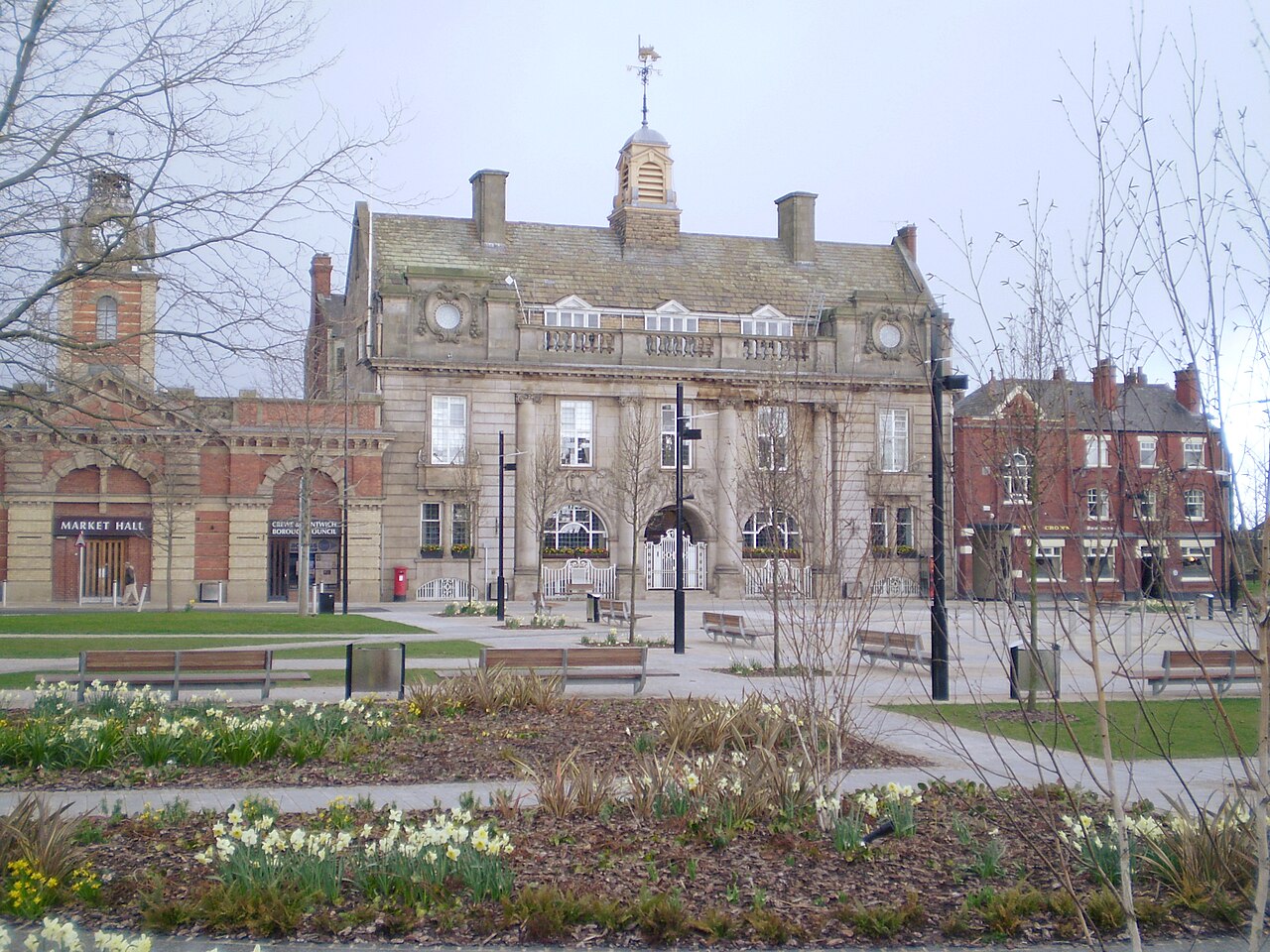
Crewe is a town in the borough of Cheshire East, located in the ceremonial county of Cheshire, England. Historically a small village, Crewe developed rapidly in the 19th century as the site of a major railway junction and extensive railway works. The town today combines its transport heritage with light industry, car manufacturing, and a mix of residential neighbourhoods.
Image gallery
10 Images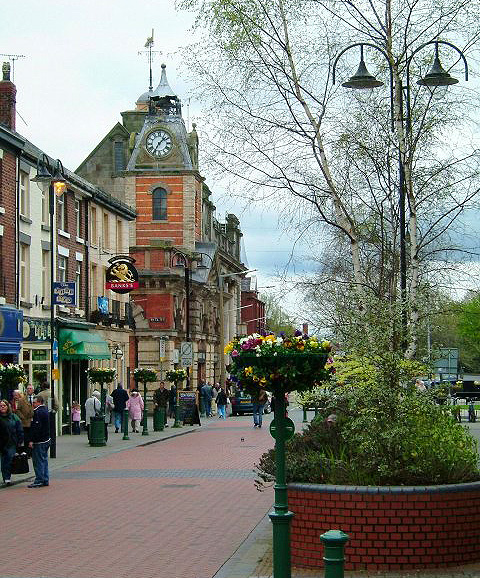


Characteristics and landmarks
The town centre is dominated by its transport facilities and related institutions. Prominent landmarks include Crewe railway station and the former locomotive-building complex known as Crewe Works. Nearby, the Crewe Heritage Centre preserves a number of historic rolling stock items and displays about the town's railway past, including restored locomotives and carriages.
History and development
Crewe's transformation began with the arrival of the railways in the 1830s and 1840s. As railway companies concentrated workshops and marshalling yards at the junction, the settlement expanded rapidly to house workers and their families. The pattern of terraces and civic buildings that characterise much of the town dates from this period. Over the 20th century the local economy broadened but remained connected to transport and engineering.
Industry and economy
In the post-war era Crewe became associated with the British motor industry. Rolls‑Royce established car production in the town, beginning in 1946 and continuing until 2002. Since then the Pyms Lane factory has been operated by Bentley, which produces luxury cars on the site. Alongside vehicle manufacture, the local economy supports engineering suppliers, distribution, retail and public services.
Culture, sport and community
Crewe has a distinct civic life shaped by its industrial heritage. The town is home to the professional football club Crewe Alexandra, commonly known as The Railwaymen in recognition of the town's origins; the club is linked to a strong youth development tradition and competes in the English Football League structure as represented by its league participation. Local arts, community centres and annual events reflect both traditional working‑class culture and newer suburban influences.
Visiting and practical information
Visitors are often drawn to Crewe for railway history, engineering heritage and easy rail connections. The town's transport role remains important: Crewe station provides long‑distance and regional services and is a key interchange on north–south routes. Attractions and practical amenities include the heritage centre, public parks, shopping areas and sports facilities. For more on the town's institutions and historical collections see the local archives and heritage organisations represented online via regional links such as county resources and museum networks (Cheshire listings).
Key features at a glance
- Railway hub: historic junction and major station (station, works).
- Heritage: Crewe Heritage Centre with preserved stock and restored locomotives (heritage centre).
- Automotive manufacturing: post‑war Rolls‑Royce production (Rolls‑Royce beginning 1946 to 2002) and current Bentley production (Bentley).
- Sport: Crewe Alexandra football club (club, competitions noted under league entries).
Today Crewe remains an example of a town whose 19th‑century transport function shaped its identity, while adapting to changing industrial and social conditions in the 21st century.
Related articles
Author
AlegsaOnline.com Crewe: Railway town and industrial centre in Cheshire, England Leandro Alegsa
URL: https://en.alegsaonline.com/art/24163