
Alexander Vraciu — United States Navy fighter ace (1918–2015)
Alexander Vraciu was a U.S. Navy fighter ace in World War II, noted for shooting down six Japanese dive bombers in eight minutes and for his long postwar legacy as a decorated naval aviator.
Overview
Alexander Vraciu was an American naval aviator and fighter ace who served in the United States Navy during World War II. Born in East Chicago, Indiana, he became widely known for a dramatic air combat feat in which he shot down six Japanese aircraft in a matter of minutes. He was later a nominee for the Medal of Honor and is remembered as one of the more accomplished carrier pilots of the Pacific War.
Image gallery
9 Images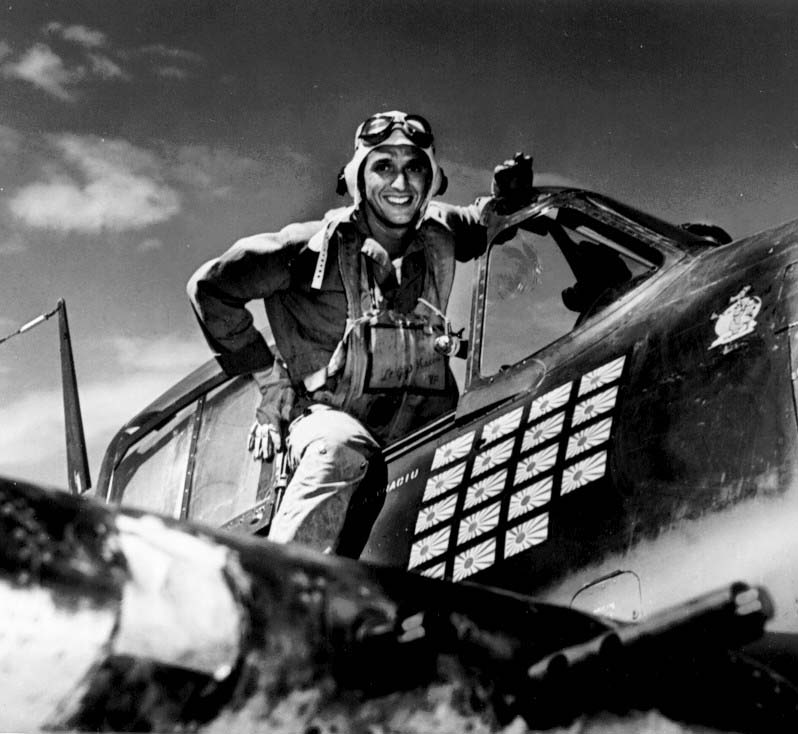


Military career and aircraft
Vraciu trained as a naval aviator and flew from aircraft carriers in the Pacific theater. Like many U.S. Navy fighter aces of the period, he flew carrier-based fighters designed for air superiority and fleet defense. His skill in dogfighting, situational awareness and marksmanship allowed him to engage and defeat multiple enemy aircraft in single sorties. Accounts of his service emphasize both individual combat actions and his role within a carrier air group operating from forward bases and carriers.
Notable actions
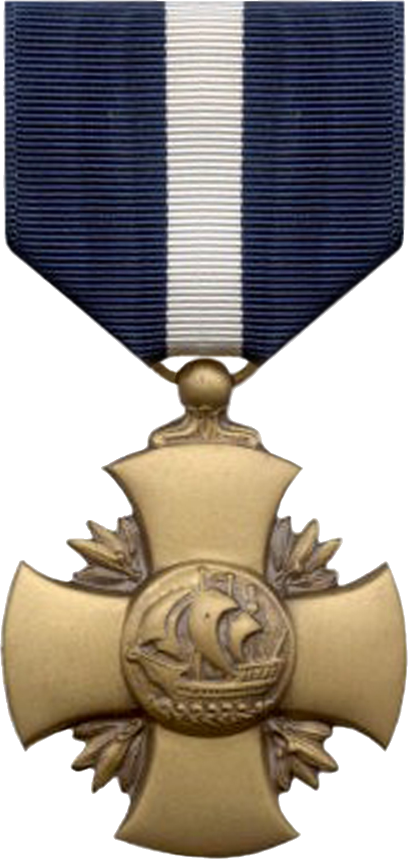
Vraciu's best-known engagement involved a rapid sequence of aerial victories against Japanese dive bombers; contemporary reporting and later histories highlight the remarkable speed and accuracy of that action, often summarized as "six dive bombers shot down in eight minutes." This event helped to cement his reputation and contributed to consideration for high-level decorations, including a nomination for the Medal of Honor. Even beyond that single engagement, Vraciu was credited with multiple aerial victories over the course of the war and was regarded as a leading example of carrier fighter pilots of his era.
Later life and legacy
After World War II Vraciu returned to civilian life but remained associated with naval aviation communities and veteran groups. He lived for many decades after the war and witnessed the evolution of naval air power he had helped shape. Vraciu died in his sleep at his home in Danville, Illinois, at the age of 96.
Key facts and significance
- Birthplace: East Chicago, Indiana.
- Service: Fighter pilot in the United States Navy during World War II.
- Famous action: Shooting down six Japanese dive bombers in a short engagement.
- Honors: Nominated for the Medal of Honor and recognized as a decorated naval aviator.
- Death: Passed away in Danville, Illinois.
Vraciu's career illustrates the high tempo and danger of carrier aviation in the Pacific, and his actions are often cited in discussions of air combat tactics, pilot training and the role of carrier fighters in protecting fleets from enemy strike aircraft. For readers seeking more detail, unit histories and oral histories from World War II naval aviators provide fuller accounts of his sorties and the context in which they occurred.
Related articles
Author
AlegsaOnline.com Alexander Vraciu — United States Navy fighter ace (1918–2015) Leandro Alegsa
URL: https://en.alegsaonline.com/art/2405
Sources
- legacy.com : "Alexander Vraciu"