
Crayon Shin-chan
Crayon Shin-chan is a long-running Japanese manga and anime franchise by Yoshito Usui, following the mischievous five-year-old Shinnosuke Nohara and noted for broad, satirical humor and many films.
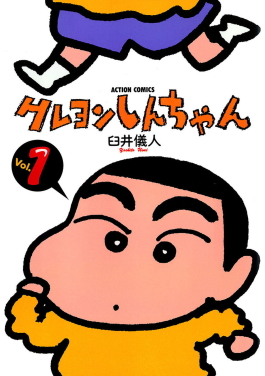
Crayon Shin-chan is a Japanese comic and animated franchise centered on the young and irreverent boy Shinnosuke Nohara. The original manga, commonly referred to by its Japanese name クレヨンしんちゃん, was created by Yoshito Usui and developed into a long-running animated television series and numerous feature films. The property is known for combining childlike point of view with humor that often appeals to adult viewers.
Image gallery
7 Images




Characters and style
The title character, usually called Shin-chan, is a five-year-old who delights in mischief, irreverent jokes, and attention-seeking behavior. Recurring characters include his parents and baby sister, his pet dog, and friends from kindergarten. The series mixes slapstick, toilet humor, pop-culture parody, and occasional social satire. Some signature elements — such as Shin-chan's bold facial expressions and silly dances — are instantly recognizable.
Publication and adaptations
The story began as a manga and was adapted into an anime television show in the early 1990s. The anime has been broadcast for many years in Japan and has produced hundreds of episodes as well as a steady sequence of theatrical films released almost annually. The franchise's long-running nature has allowed it to evolve in tone and format while retaining its core comedic premise.
International reception and edits
Crayon Shin-chan has been distributed and localized in many countries. Local versions vary widely: some preserve the original adult-oriented jokes and cultural references, while others edit or rewrite scenes for younger audiences. These differences in adaptation reflect varied broadcasting standards and audience expectations around the world.
Legacy and notable facts
- The series spawned dozens of feature films and extensive merchandise, stage shows, and collaborations.
- Its mix of childlike viewpoint and adult satire has made it both a commercial success and the subject of debate about appropriate content for children.
- It remains a recognizable part of contemporary Japanese pop culture, broadcast on major networks and available in many dubbed forms internationally.
For readers seeking primary sources and further details about the creator, original print runs, and the film list, consult dedicated databases and official publisher pages linked to the manga and anime production credits. The series' voice, recurring gags, and social commentary continue to make it a subject of study for fans and scholars interested in modern manga and animation culture.
Related articles
Author
AlegsaOnline.com Crayon Shin-chan Leandro Alegsa
URL: https://en.alegsaonline.com/art/24029
Sources
- funimation.com : "Shin Chan" · web.archive.org
- lukinternacional.com : "LUK Internacional - Catalogue, SHIN CHAN"
- isis.rte.ie : "RTE Guide - TV Schedules"
- futabasha.com : Official Futabasha Crayon Shin-chan website
- tv-asahi.co.jp : Official TV Asahi Crayon Shin-chan website