
Creative Commons licenses
A family of standardized copyright licenses that let creators grant public permission to use, share, adapt, or restrict commercial use of their works under clear conditions.
Overview
Creative Commons licenses are a set of public copyright licenses that enable authors, artists and other creators to grant some rights to the public while retaining others. Rather than surrendering copyright, a creator attaches a license that permits specific uses — such as copying, sharing, or adapting — under defined conditions. The licenses are widely used by educators, cultural institutions, researchers and independent creators to increase the legal sharing and reuse of creative works.
Image gallery
2 Images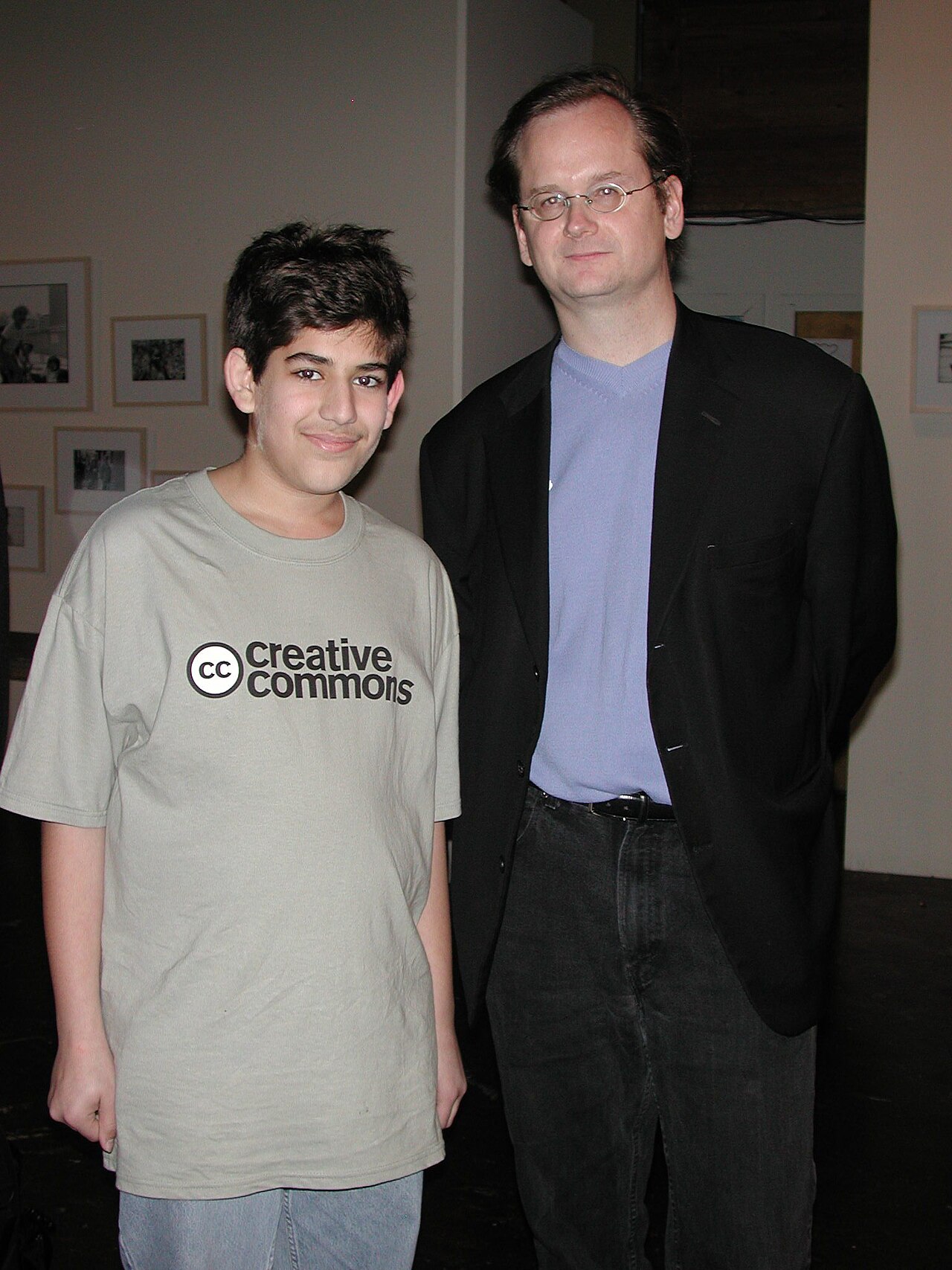

Core license elements and common combinations
The Creative Commons framework is built from four main optional conditions that can be combined in different ways. Each combination produces a recognizable license abbreviation:
- Attribution (BY): requires credit to the original creator when the work is used or shared.
- NonCommercial (NC): permits reuse only for noncommercial purposes.
- NoDerivatives (ND): allows redistribution but not modification of the original work.
- ShareAlike (SA): requires adaptations to be distributed under the same license terms (a copyleft-like condition).
Commonly seen combinations include CC BY, CC BY-SA, CC BY-NC, CC BY-NC-SA, CC BY-ND and CC BY-NC-ND. There is also a separate public-domain dedication called CC0 that lets creators waive as many rights as legally possible.
History, versions and tools
Creative Commons began as a nonprofit project in the early 2000s and released its initial licenses to the public as a practical alternative to all-rights-reserved copyright. The organization has periodically updated the legal texts and supporting tools to improve clarity, international applicability and compatibility with evolving copyright law. Each public license includes a human-readable summary, machine-readable metadata for search engines and a full legal code. For more detailed background, see the official materials at Creative Commons and the licenses overview at the licenses page.
Uses, examples and importance
Creative Commons licenses are used across many domains: educational resources, scientific publications, photographs, music, software documentation, and government open-data initiatives. They make it easier for people to reuse material without negotiating individual permissions. For example, some major collaborative projects use a ShareAlike license so that derivative works remain free for others to use and adapt. When reusing a CC-licensed work, common practice is to provide an attribution that names the creator, the title, the license and a link to the license deed.
Legal and practical considerations
CC licenses are designed to be irrevocable once granted, giving users confidence that permitted uses will remain lawful. However, interpretation of terms such as "noncommercial" can vary by jurisdiction and context, and moral rights or database rights in some countries may affect how a license operates. The ShareAlike condition functions similarly to copyleft in the sense that it propagates the same license to derivatives; see explanatory resources about copyleft at copyleft. For legal details about the organizational structure and nonprofit status behind the project, consult records at the organization.
Practical tips
- Choose a license that matches your goals: maximum sharing (CC0 or CC BY) versus restrictions on commercial use or modifications (NC or ND).
- Include a clear attribution statement with reused material and, when possible, link to the license deed.
- When combining works under different licenses, check compatibility — ShareAlike requirements or ND clauses can limit what adaptations are permitted.
Overall, Creative Commons licenses offer a pragmatic and widely adopted way to balance creators' rights with public access, fostering sharing while giving creators control over how their works are used.
Questions and answers
Q: What are the Creative Commons licenses?
A: The Creative Commons licenses are several copyright licenses released by Creative Commons, a nonprofit corporation in the United States.
Q: Who can put their creations under these licenses?
A: Everybody can put their own creations under these licenses.
Q: What are the four basic license conditions?
A: The four basic license conditions are Attribution (BY), Noncommercial (NC), No Derivative Works (ND), and Share Alike (SA).
Q: What does the Attribution (BY) license condition allow others to do with the work?
A: The Attribution (BY) license condition allows others to copy, distribute, display, and perform the work and evolved versions of it. They must give the original creator credit for the work.
Q: What does the Noncommercial (NC) license condition allow others to do with the work?
A: The Noncommercial (NC) license condition allows others to copy, distribute, display, and perform the work and evolved versions of it. However, they are not allowed to make money with it.
Q: What does the No Derivative Works (ND) license condition allow others to do with the work?
A: The No Derivative Works (ND) license condition allows others to copy, distribute, display, and perform the work. However, they are not allowed to change the work into something else.
Q: What does the Share Alike (SA) license condition allow others to do with the work?
A: The Share Alike (SA) license condition allows others to distribute evolved works only when they use the same license. It is similar to copyleft.
Related articles
Author
AlegsaOnline.com Creative Commons licenses Leandro Alegsa
URL: https://en.alegsaonline.com/art/24051