
Crawford, Texas: small town and site of the Prairie Chapel Ranch
Crawford, a small town in McLennan County, Texas, became nationally known as the home of the Prairie Chapel Ranch owned by President George W. Bush and Laura Bush, affecting local life and tourism.
Crawford is a small rural town in the state of Texas, in the United States. Located within driving distance of larger regional centers, it retains the character of an agricultural community — with open land, ranches and a modest downtown — while also serving as a residential center for people who work in nearby cities. The town’s identity is shaped by both its long-standing local traditions and the attention it has received in the national media.
Image gallery
8 Images




Characteristics and community
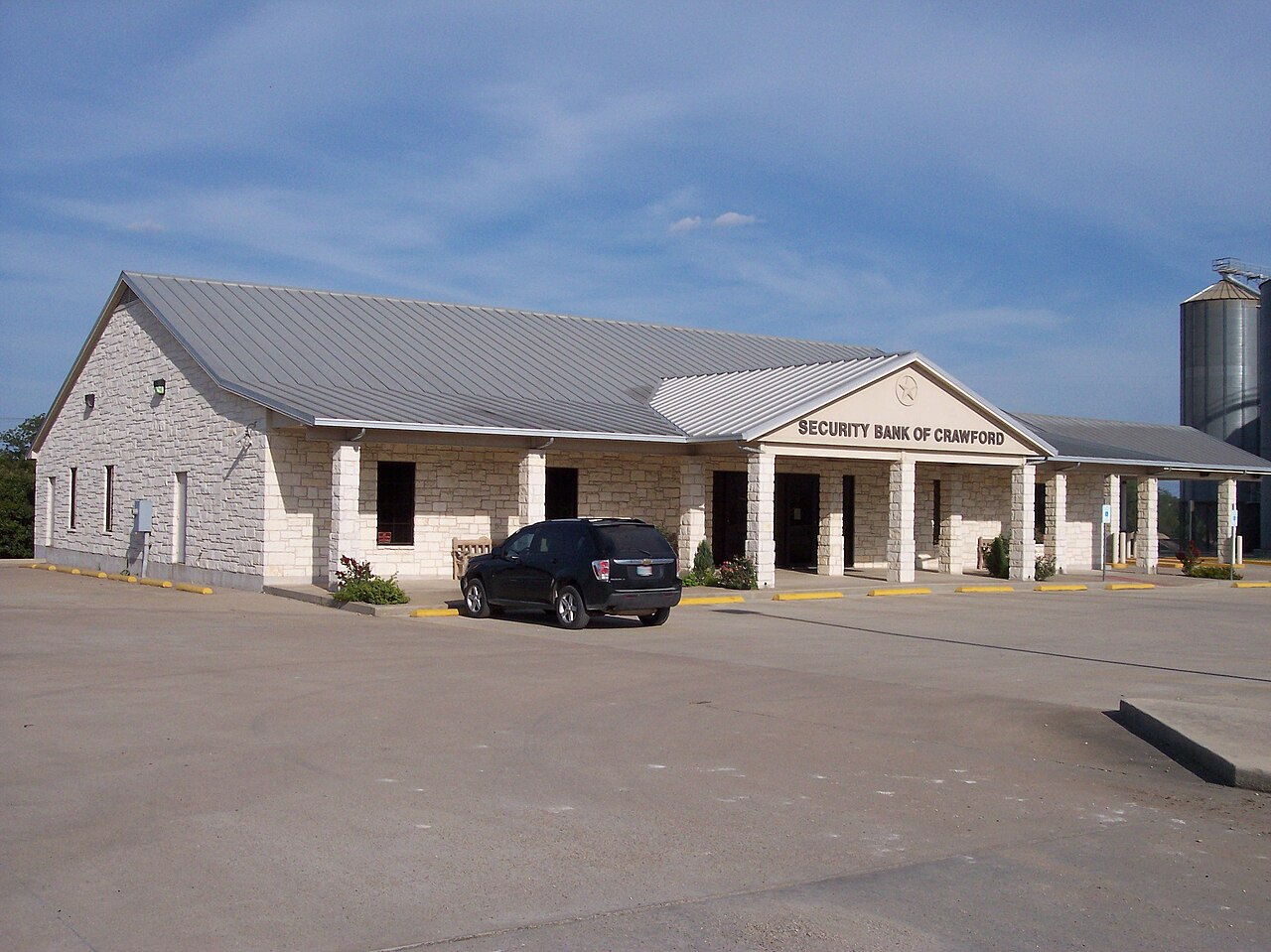
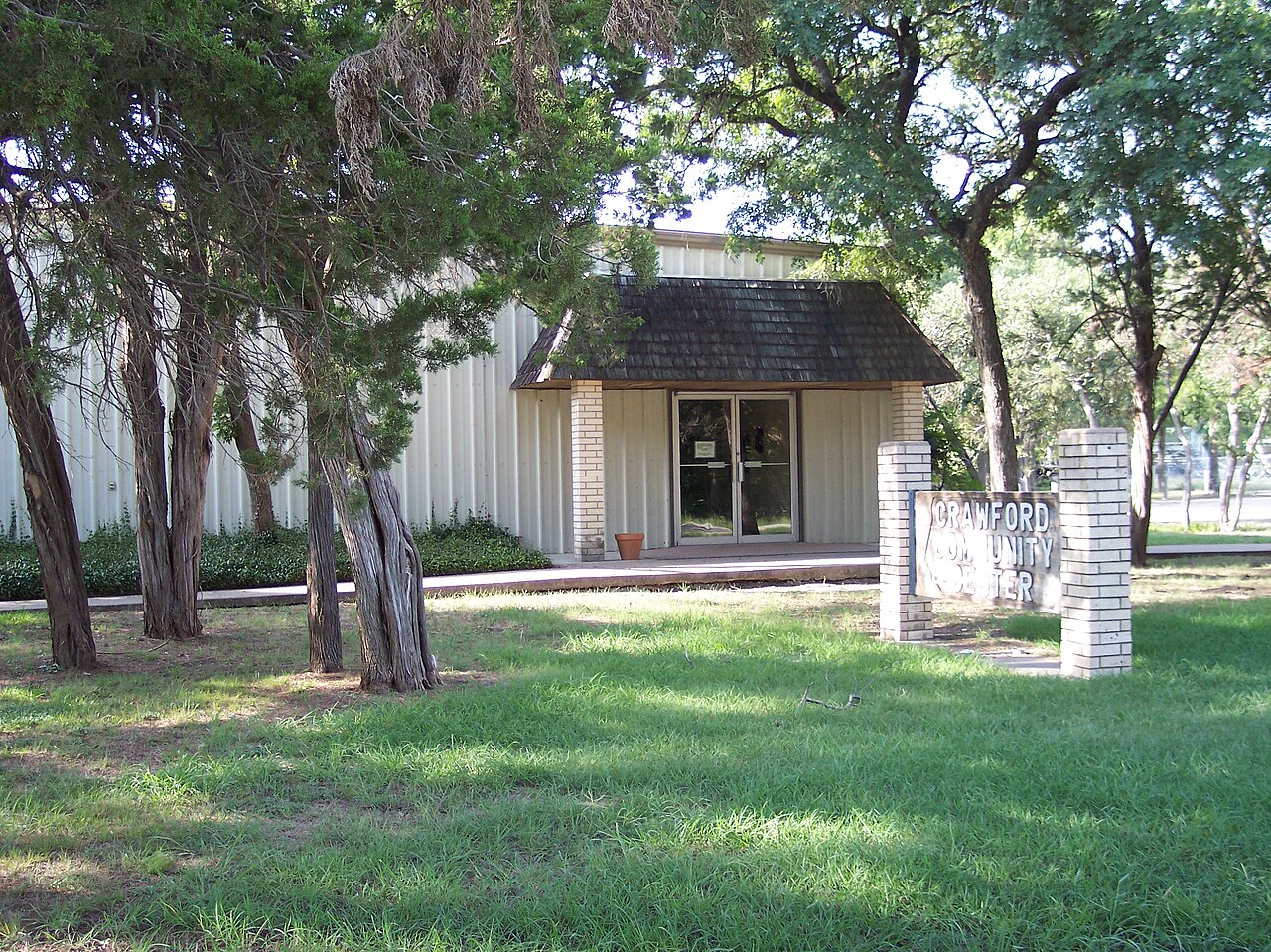
Crawford typically features the amenities found in many small Texas towns: a main street of shops and services, places of worship, and public gathering spaces. Local life has historically revolved around farming, ranching and county institutions. Community events, volunteer organizations and small businesses form the backbone of daily activity, and the town’s scale encourages close personal networks among residents.
History and development
Like many rural communities in central Texas, Crawford developed as an agricultural service center and evolved gradually over decades. Its growth has been modest compared with nearby urban areas, and changes in transportation and the regional economy have influenced population and land use. In the late 20th and early 21st centuries, external attention brought new patterns of visitors and economic activity to the town.
Presidential connection: Prairie Chapel Ranch
Crawford entered the national spotlight when George W. Bush chose it as his base while serving as President. The town is widely recognized as the President’s hometown during his time in office, and the First Lady often referenced is the First Lady Laura Bush. The Bushes purchased a rural property known as the 1600-acre ranch, commonly referred to as Prairie Chapel Ranch, in 1999. The ranch remained a private home and working property while also serving occasionally as a venue for smaller official events and media coverage.
Economic and social impacts
The presence of a presidential residence brought visible changes to Crawford. Increased national media attention, a steady flow of visitors and the arrival of campaign-related activity affected local commerce and public life. Some impacts have been beneficial, while others created challenges:
- Boost to small businesses and services from visitors and media crews.
- Greater security and logistical planning during official visits or heightened interest.
- Occasional protests and demonstrations linked to national politics, drawing additional attention.
- Shifts in local traffic and temporary pressure on public spaces once quiet or underused, in contrast to the earlier days of quiet streets.
Observers note that the increase in visitors — including many tourists curious about the ranch and the town — changed the rhythm of this small community and had mixed effects on the local economy.
Notable facts and distinctions
Crawford is often cited as an example of how national prominence can reshape a small town’s economy, identity and infrastructure. While the town continues to serve its residents with community institutions and local businesses, its recent history also illustrates the broader interactions between rural America and national public life. For visitors and students of contemporary history, Crawford represents the intersection of private rural living and public attention during a presidential era.
Related articles
Author
AlegsaOnline.com Crawford, Texas: small town and site of the Prairie Chapel Ranch Leandro Alegsa
URL: https://en.alegsaonline.com/art/24021