
COVID-19 pandemic in Thailand
Overview of the COVID-19 outbreak, response, and impacts in Thailand from the first confirmed case in January 2020 through major public health measures, vaccination efforts, and economic effects.
The global outbreak of COVID-19 reached Thailand on 13 January 2020, when officials reported the first confirmed patient outside mainland China. That early detection shaped an initial period of containment activities focused on tracing, quarantine of arrivals and early clinical care. Thailand's health authorities mobilized existing infectious disease systems to monitor clusters and hospitalize severe cases.
Image gallery
10 Images




Public health measures and institutions
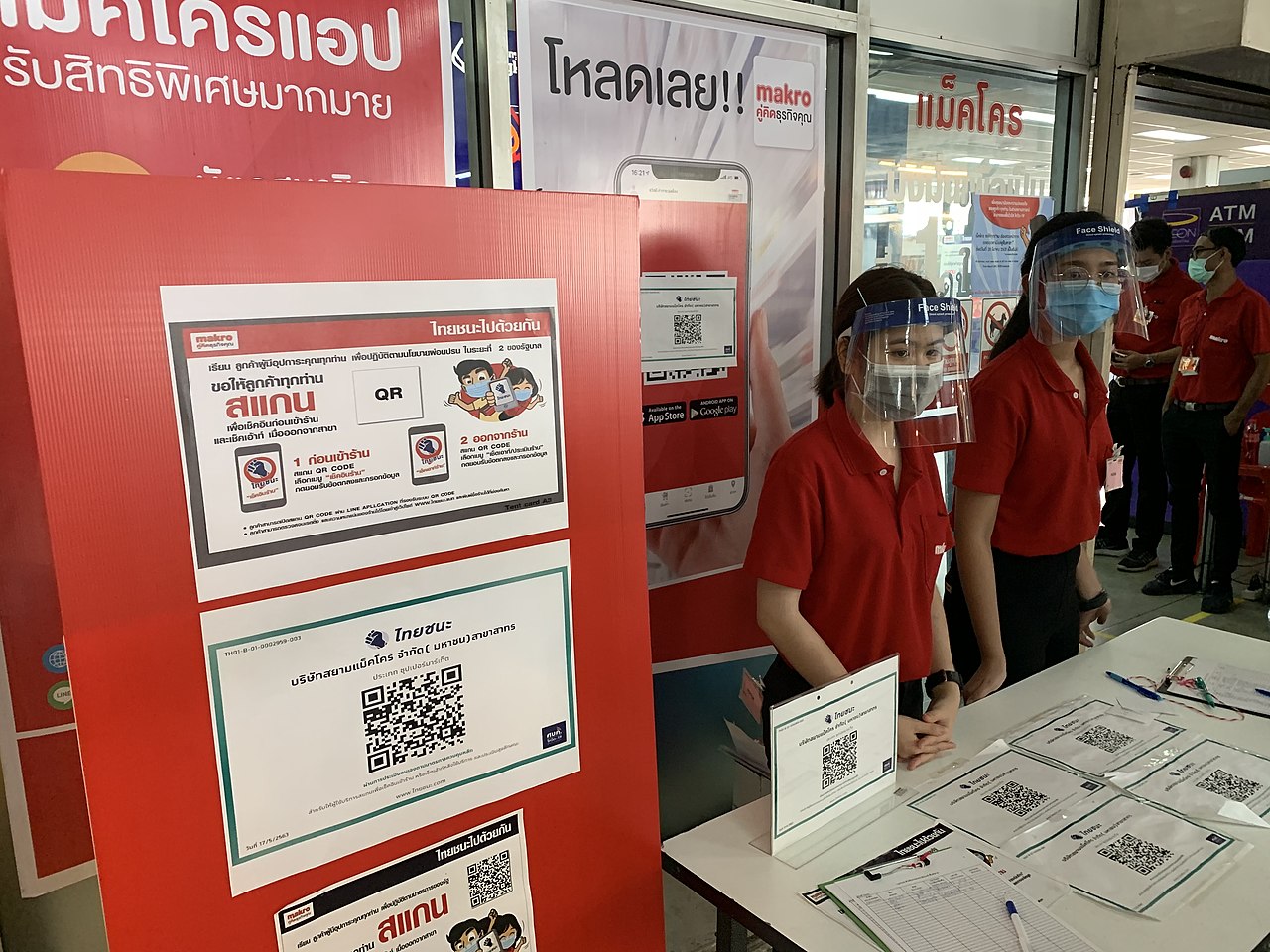
To coordinate the national response, the government created a central task force that oversaw testing, isolation and public messaging. Measures evolved with the situation and included travel restrictions, mandatory quarantine for international arrivals, temporary business and school closures, mask mandates and localized lockdowns. A formal state of emergency was declared in late March 2020 to give authorities wider powers for movement controls and resource allocation.
Major outbreaks and progression
Thailand experienced multiple waves. Early clusters were linked to international travel and nightlife venues, followed by subsequent surges associated with workplace and migrant communities. Viral variants that emerged globally contributed to intensified transmission at different times, prompting stepped-up testing and hospital readiness.
Vaccination and medical response
Vaccination campaigns began after vaccines became available, prioritizing health workers and vulnerable groups and later broadening to the general population. Thailand used several vaccine types and pursued local production agreements to increase supply. Health services were expanded, and campaigns emphasized both vaccination and continued nonpharmaceutical interventions when cases rose.
Economic and social impact
The pandemic had a pronounced effect on tourism, exports and domestic consumption, with significant job losses in travel-related sectors and shifts in daily life. Education moved to hybrid or remote formats at times, and public discourse highlighted the balance between health protection and economic reopening. Authorities introduced financial relief and stimulus measures aimed at households and businesses.
Notable distinctions and legacy
Thailand was notable for detecting one of the earliest confirmed cases outside China and for rapidly activating public health infrastructure. The crisis prompted reforms in preparedness planning, emphasized the importance of supply chains for medical goods, and stimulated debates about data transparency, migrant health and long-term resilience of health and social systems.
Related articles
Author
AlegsaOnline.com COVID-19 pandemic in Thailand Leandro Alegsa
URL: https://en.alegsaonline.com/art/23824
Sources
- coronaboard.com : "COVID-19 Dashboard USA"
- scmp.com : "Thailand confirms first case of Wuhan virus outside China" · web.archive.org
- thairath.co.th : "สธ.แถลง พบคนขับแท็กซี่ ติดไวรัสโคโรน่า เป็นคนไทยรายแรก ไม่มีประวัติไปจีน" · web.archive.org
- bangkokbiznews.com : "ผู้ป่วยโควิด-19 ในไทย ปะทุจากผับกทม.4 ย่านดัง- สนามมวยแพร่ไป 9 จ."
- thairath.co.th : "กทม.และ 5 จังหวัด ประกาศปิดห้างกับ 25 สถานที่ (คลิป)"
- thestandard.co : "นายกฯ ประกาศใช้ พ.ร.ก. ฉุกเฉิน คุมโควิด-19 มีผล 26 มี.ค. ย้ำยังไม่ประกาศเคอร์ฟิวห้ามออกนอกบ้าน"
- bangkokpost.com : "Curfew starts today"
- pr.moph.go.th : "รายงานข่าวกรณีโรคปอดอักเสบจากเชื้อไวรัสโคโรนาสายพันธุ์ใหม่ 2019 (Novel Coronavirus;2019-nCoV) ประจำวันที่ 1 กุมภาพันธ์ 2563"
- thebangkokinsight.com : "สธ.ยกระดับควบคุมป้องกันโรค ประกาศคำเตือนระดับ 3 หลีกเลี่ยงเดินทางไปพื้นที่ระบาด"
- news.thaipbs.or.th : "4 ประเทศกลุ่มเสี่ยงเข้าไทยต้องมี "ใบรับรองแพทย์""
- thairath.co.th : "ประกาศสกัดโควิด-19 ต่างชาติเข้าไทยต้องมีใบรับรองแพทย์-ประกันภัยแสนเหรียญ"
- nst.com.my : "Covid-19: Thailand's strict new entry requirements take effect"
- bangkokbiznews.com : "ประกาศราชกิจจาฯ 'หน้ากากอนามัย-เจลล้างมือ' สินค้าควบคุม 1 ปี"