
Courtesan: Role, History, and Social Significance
Overview of the courtesan as a social figure: roles, historical development in Europe and Asia, typical traits, notable examples, and distinctions from other intimate or commercial relationships.
Overview
A courtesan has traditionally referred to a woman who provided companionship, conversation, and often sexual services to wealthy, powerful, or noble clients in exchange for money, gifts, or social protection. Unlike common street-based prostitution, courtesans typically occupied an intermediate social position: they were associated with elite circles, cultivated cultural accomplishments, and could exert influence that extended beyond private intimacy. The term and its connotations vary by time and place, but the core idea is of a companion whose relationship combined personal, social and economic dimensions.
Image gallery
8 Images

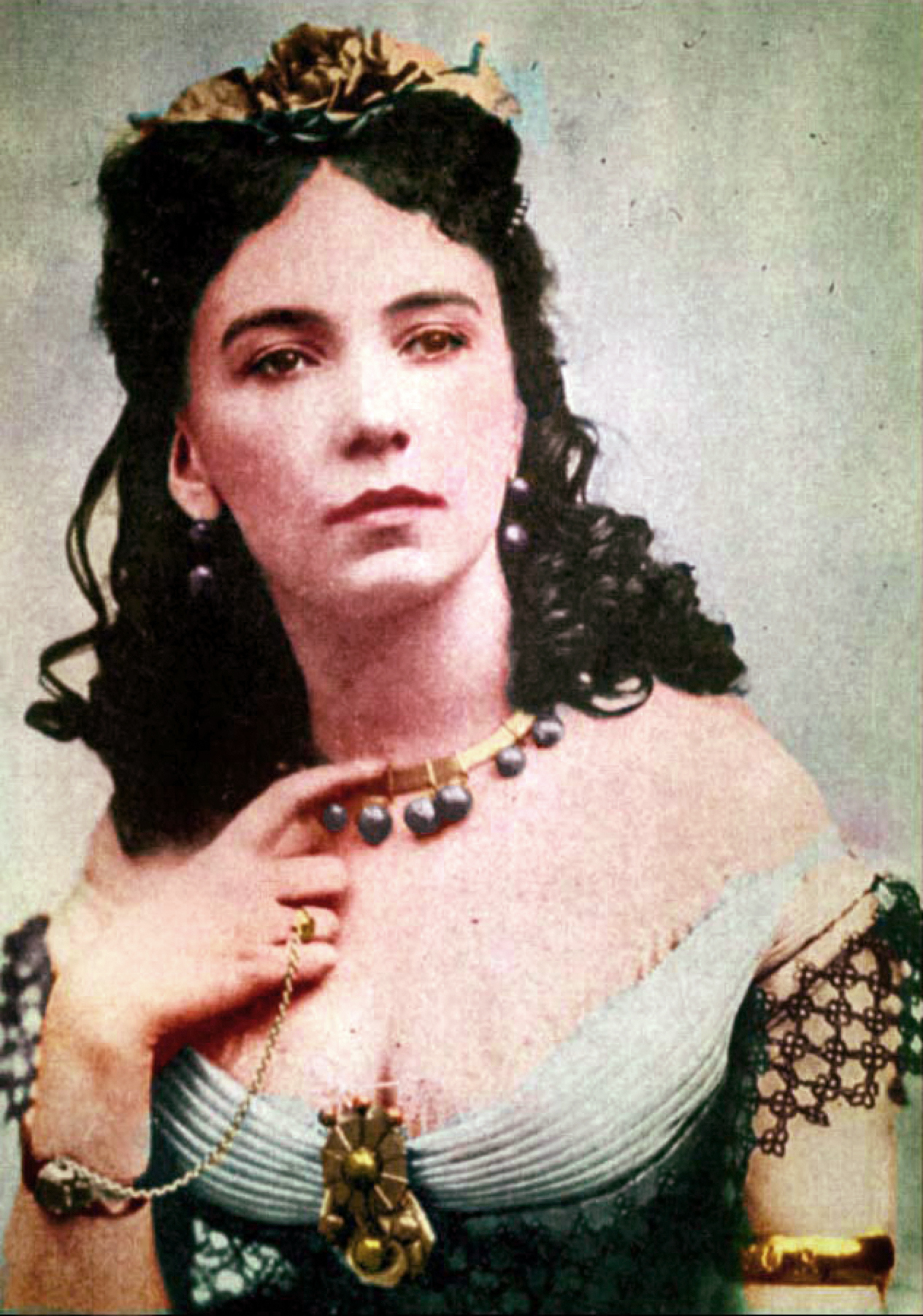


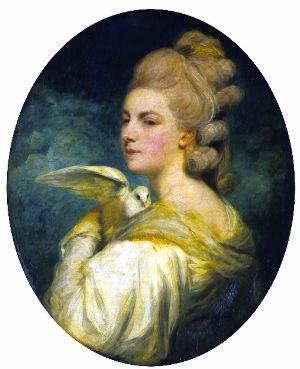
Characteristics and roles
Courtesans often combined several functions that distinguished them from other forms of paid intimacy or domestic partnership. Common features included:
- Residence and patronage: Support from one or more patrons who provided housing, income, or luxury items; see rich patrons and noble patrons.
- Cultural capital: Training in music, literature, language, etiquette or the arts that enabled them to participate in refined company and conversation.
- Social autonomy: Greater freedom of movement and financial independence than many contemporaneous women, though limited by dependence on patrons.
- Public visibility: Attendance at salons, courts, or gatherings where they could act as hosts, entertainers, or informal diplomats.
These traits explain why some courtesans were treated differently from wives or domestic servants, and why they could accumulate influence and wealth, often exchanging luxuries and status for their services.
History and regional variations
The institution of the courtesan appears across many cultures. In Renaissance Europe, especially in Italian and French cities, certain women became prominent in elite social life, participating in intellectual salons and sometimes acting in roles ordinarily reserved for spouses, which connected them to high-class society. In some settings a courtesan might perform diplomatic or representational duties when a formal wife was absent or unsuitable.
Outside Europe, analogous figures existed with distinct social frameworks. In South Asia, long-standing traditions included women who combined artistic patronage and sensual companionship, and scholars discuss their roles in cultural life in India. In East Asia, specialized companion institutions developed different etiquettes and disciplines, such as the highly codified practices associated with geisha in Japan; for comparisons, see Japan and more general discussions of non-European contexts.
Notable examples and cultural influence
Certain individuals are well known for having exercised political or cultural influence through their relationships. A frequently cited European example is Madame de Pompadour, who was a principal favorite of King Louis XV and played an important role at court. Other famous courtesans appear in literature, art, and opera, where they are often portrayed as both empowered and constrained figures.
- Their salons could be centers of artistic patronage and intellectual exchange.
- They sometimes served as informal advisers, cultural brokers, or mediators.
- Their lives have inspired recurring themes in fiction and historiography regarding gender, power, and morality.
Distinctions and modern perspectives
It is important to distinguish the historical role of a courtesan from modern concepts. The courtesan was not simply a euphemism for prostitution; in many contexts the role implied social standing, cultivated skills, and political or cultural participation. At the same time, the economic dependence on patrons meant limited security and social stigma in many societies. Contemporary scholarship examines courtesans through lenses of gender studies, social history, and cultural analysis, emphasizing variation across time and place.
Legacy
The figure of the courtesan remains a potent cultural symbol that raises questions about intimacy, power, economic exchange, and social boundaries. Whether studied as participants in elite culture, subjects of art and literature, or agents navigating constrained choices, courtesans illuminate how personal relationships have intersected with public life across diverse societies. For further reading and comparative timelines see specialized sources and archives at research collections and thematic resources such as Renaissance studies or regional studies on India and Japan.
Related articles
Author
AlegsaOnline.com Courtesan: Role, History, and Social Significance Leandro Alegsa
URL: https://en.alegsaonline.com/art/23641