
Courcelles-le-Comte: a commune in Pas-de-Calais, northern France
Courcelles-le-Comte is a small rural commune in the Pas-de-Calais department of northern France, historically part of Nord-Pas-de-Calais, with typical local administration, agricultural land use and village heritage.
Overview
Courcelles-le-Comte is a French commune located in the north of the country. It lies within the broad historical area once known as Nord-Pas-de-Calais, now administered as part of the larger regional framework. The village exemplifies many small communes of the region: modest population, close-knit community life and an economy shaped by local resources and nearby towns. For general orientation see northern France resources.
Image gallery
2 Images
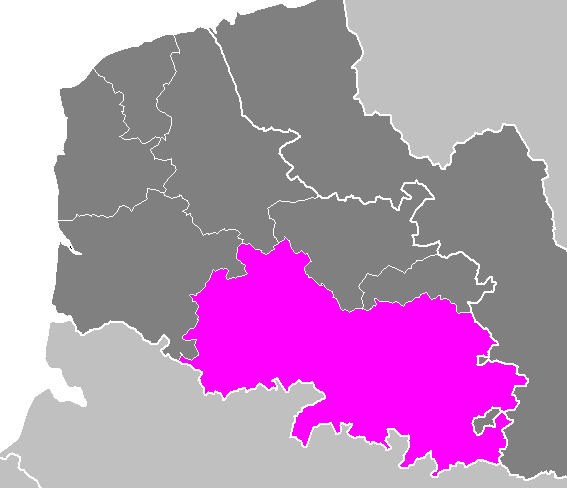
Administration and geography
The commune belongs to the Pas-de-Calais department, one of France’s administrative divisions. Departments are grouped into regions; this area has been reorganized in recent years and is commonly treated within Hauts-de-France for contemporary governance, planning and funding. Local government is conducted by a municipal council and mayor, responsible for basic services, records and community affairs.
History and development
The landscape of Courcelles-le-Comte reflects centuries of northern French rural life: agricultural plots, village lanes and historic buildings. Like many communes in this part of Pas-de-Calais, it shares a twentieth-century history marked by the broader regional experience of industrial change and wartime events; memorials and rebuilt churches are common reminders. Visitors often find traces of layered historical periods in building styles and land divisions.
Economy, land use and community life
Economic activity is typically dominated by agriculture, small service enterprises and commuting to larger centres for employment. Local life often centers on the town hall, parish church and community facilities where seasonal festivals and markets take place. Rural communes maintain networks of small roads and footpaths linking farms, houses and hamlets.
Sights and distinctions
Typical points of interest in villages such as Courcelles-le-Comte include a parish church, a mairie (town hall), and a war memorial; these are focal points for cultural memory and civic events. When researching or visiting, note that several French communes share similar names—identification by department is important. Official departmental information and maps are available through department administration sources.
Practical information
For further details on local services, demographic data and municipal announcements consult the commune’s profile pages and regional guides. Online and printed references used by visitors will often point to transport options, local schedules and heritage listings; search using the commune name together with the department to avoid confusion. Supplemental regional materials can be useful for planning visits or understanding local governance (commune page, regional overview).
Related articles
Author
AlegsaOnline.com Courcelles-le-Comte: a commune in Pas-de-Calais, northern France Leandro Alegsa
URL: https://en.alegsaonline.com/art/23576