
Corse-du-Sud (Southern Corsica)
Corse-du-Sud is the southern department of the French island of Corsica, with prefecture Ajaccio. It is known for dramatic coastal scenery, mountainous interiors, Corsican culture and tourism.
Overview
Corse-du-Sud is one of the two departments that form the French territorial collectivity of Corsica. It occupies the southern portion of the island and has Ajaccio as its administrative centre. The department is often referred to in English as Southern Corsica and is designated administratively by the code 2A. As of 2006 the population was about 125,000; more recent counts show changes related to tourism and migration.
Image gallery
7 Images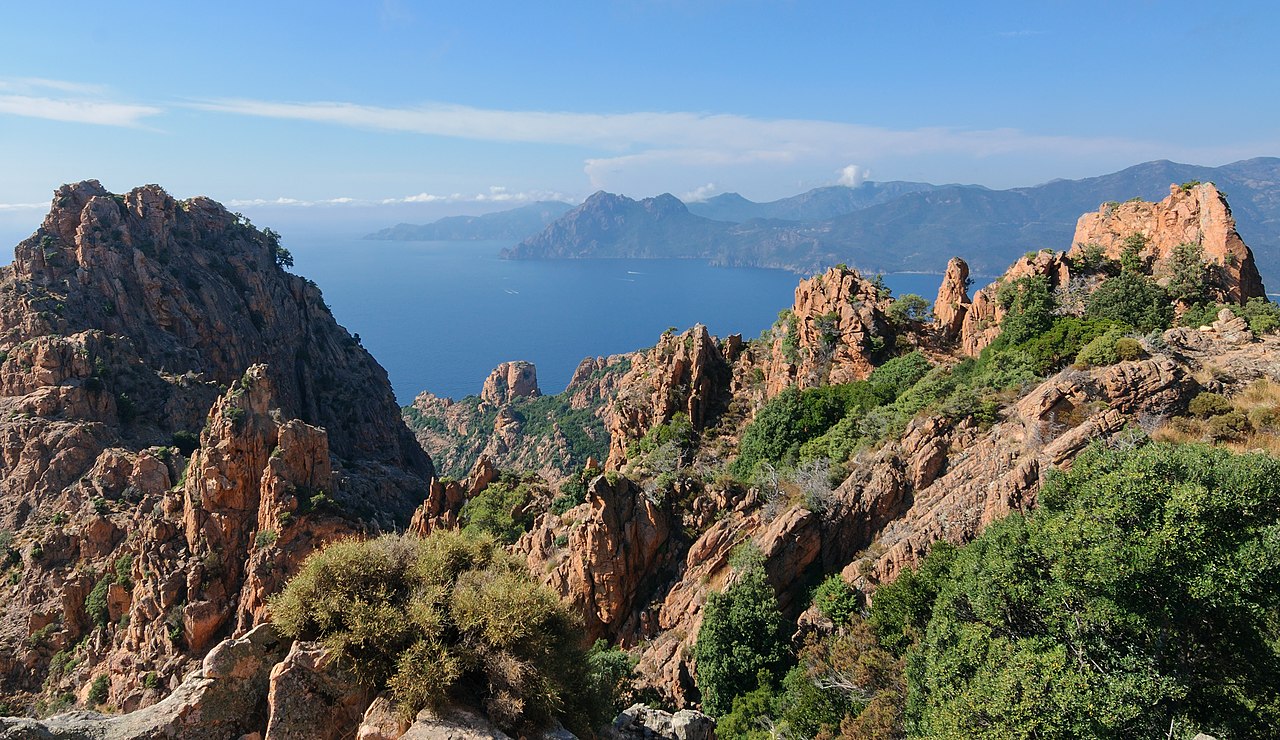


Geography and environment
The territory combines a rugged mountain interior with an extensive Mediterranean coastline. Coastal plains and coves give way quickly to steep ridges and high plateaus; this contrast produces a variety of habitats, from maquis shrubland to pine forests and rocky shorelines. Several areas within the department are recognised for their natural value, including dramatic inlets and marine reserves that attract hikers and boaters.
History and administration
Historically the whole island formed a single department, but in 1976 Corsica was divided into two departments, creating Corse-du-Sud in the south. The city of Ajaccio serves as the prefecture and administrative hub. The region retains a distinct Corsican language and cultural identity that coexist with French national institutions.
Economy, culture and transport
The local economy relies heavily on tourism, seasonal services, agriculture such as olives and citrus in coastal areas, and fishing. Ajaccio is the birthplace of Napoleon Bonaparte, a cultural reference that attracts visitors; maritime links and an international airport in the prefecture connect the department to mainland France and nearby islands. Public services, artisanal crafts and small-scale viticulture also contribute to the economy.
Notable places and practical notes
Notable towns and landmarks include Ajaccio itself, the southern port town of Bonifacio with its cliff-top citadel, and several protected coastal reserves. Visitors commonly explore dramatic sea cliffs, Genoese towers and traditional villages. For further administrative or travel information consult the departmental pages and local tourist offices (see the department entry department and resources about southern France). Additional local guidance is available through municipal portals such as Ajaccio.
Related articles
Author
AlegsaOnline.com Corse-du-Sud (Southern Corsica) Leandro Alegsa
URL: https://en.alegsaonline.com/art/23245