
Convention center: purpose, design, history and uses
A convention center is a large public building for meetings, exhibitions and events. This article explains typical features, history, uses, and how it differs from exhibition and conference venues.
Overview
A convention center is a large purpose-built facility intended to host conventions, trade shows, professional gatherings, consumer exhibitions and other large-scale events. In American usage the term is common; see American English usage. The basic idea is to provide flexible, contiguous indoor space that can be adapted for plenary sessions, exhibitor booths, receptions and ancillary meetings.
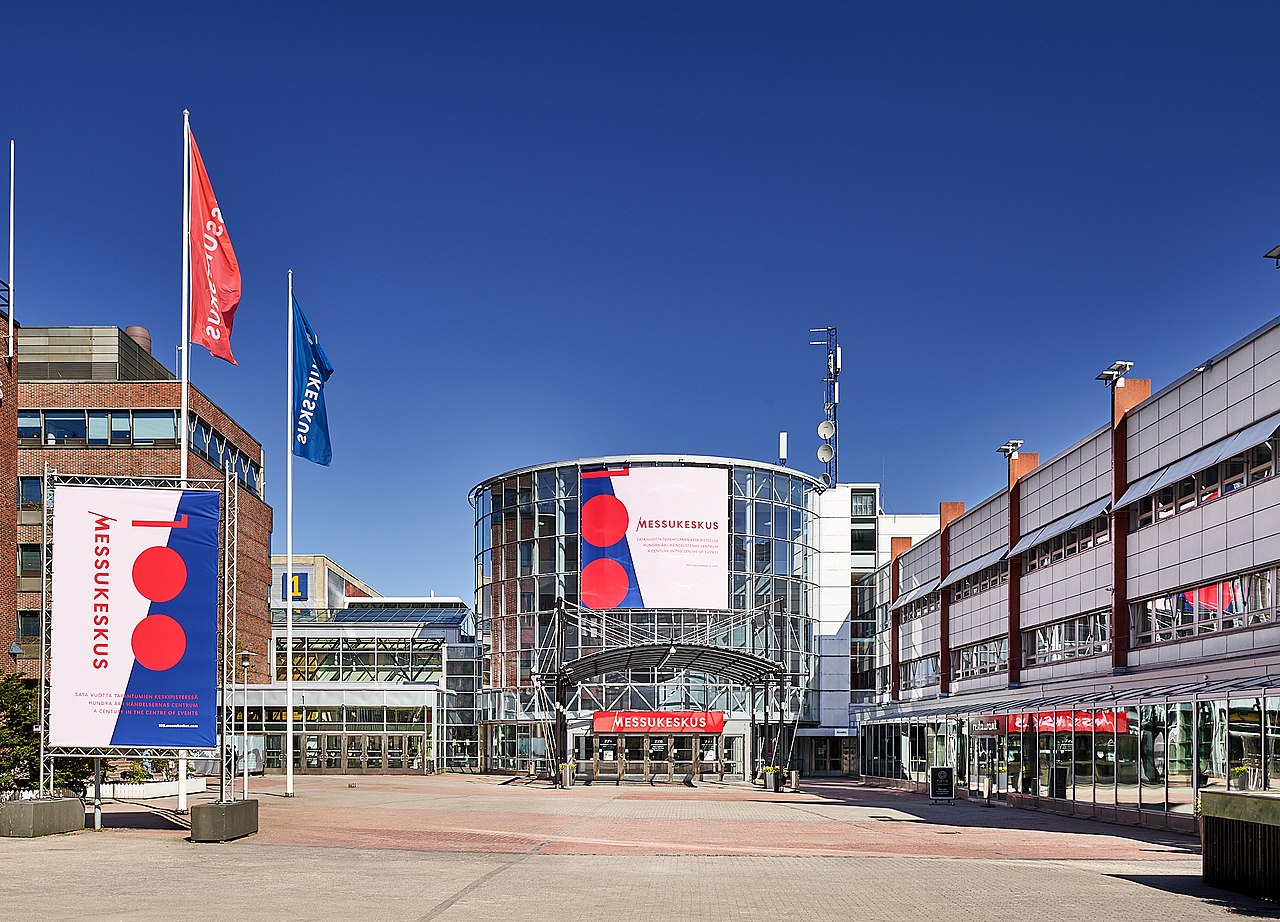
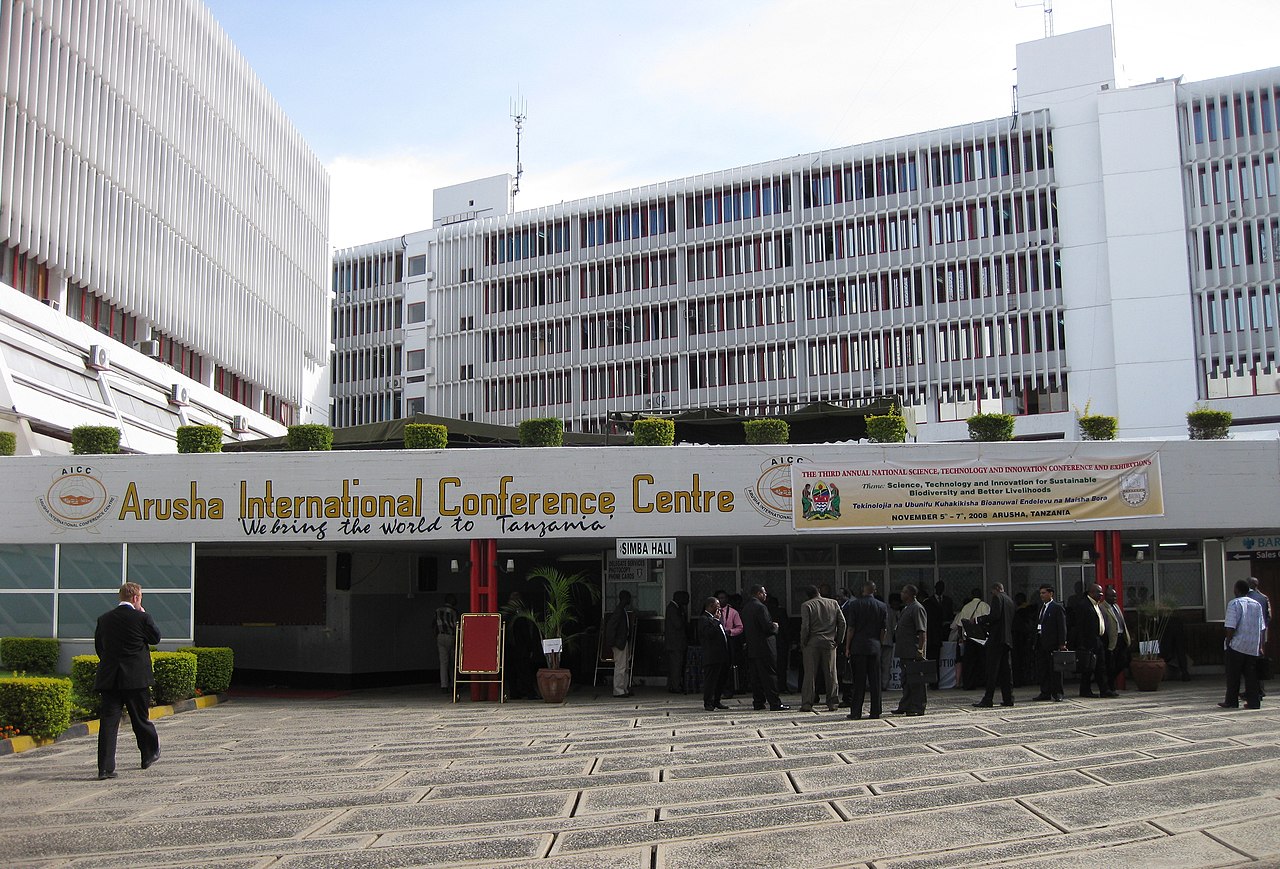
Image gallery
10 Images



Characteristics and components
Convention centers vary in size and complexity but typically combine the following elements:
- One or more large exhibit halls designed as column-free spaces for modular booths and displays.
- Ballrooms or plenary auditoria for keynote addresses and large gatherings.
- Multiple meeting rooms and breakout spaces for workshops and smaller sessions.
- Support areas including registration desks, loading docks, storage, catering kitchens and technical control rooms.
Design considerations
Design emphasizes flexibility, circulation and services: high ceilings, reinforced floors, accessible freight entrances, rigging points for lighting and staging, and extensive electrical and data infrastructure. Acoustic separation and wayfinding are also important so simultaneous events do not interfere with each other.
History and development
The modern convention center evolved from earlier exhibition halls and civic auditoriums. As professional associations and international trade expanded in the 19th and 20th centuries, cities invested in dedicated venues to attract conferences and business travel. Over time centers incorporated more technology and hospitality features, and many are now integrated with hotels and public transit.
Uses and importance
Convention centers host a wide range of events: trade shows where companies display products, academic conferences for research exchange, corporate meetings, fan conventions and community events. They are important for local economies because events bring visitors who use hotels, restaurants and services.
Distinctions and terminology
Terminology differs by region: the same facility may be called an exhibition centre in British English; see British English terminology. A "conference centre" often denotes a smaller venue focused on meetings and lecture rooms. The term convention center itself can occupy an intermediate space. For definition of the event type, see convention.
Notable contemporary trends include sustainability measures, adaptable modular spaces, and digital integration for hybrid (in-person plus online) events. Convention centers remain key infrastructure for many cities seeking to host national and international gatherings.
Related articles
Author
AlegsaOnline.com Convention center: purpose, design, history and uses Leandro Alegsa
URL: https://en.alegsaonline.com/art/22822
Sources
- hrginc.net : "United Rentals 2016 Supplier Showcase"
- commons.wikimedia.org : Convention centers