
Constantine, Algeria
Constantine is a historic northeastern Algerian city built on dramatic gorges. It is an administrative, cultural, and educational center and the third-largest city in Algeria.
Constantine (قسنطينة) is a major city in northern Algeria. Situated on a rocky plateau cut by deep ravines, it has long been an important urban center and today serves as the capital of Constantine Province. It is commonly cited as the third-largest city in the country after Algiers and Oran, with a population of approximately 450,000 in the city proper.
Image gallery
10 Images


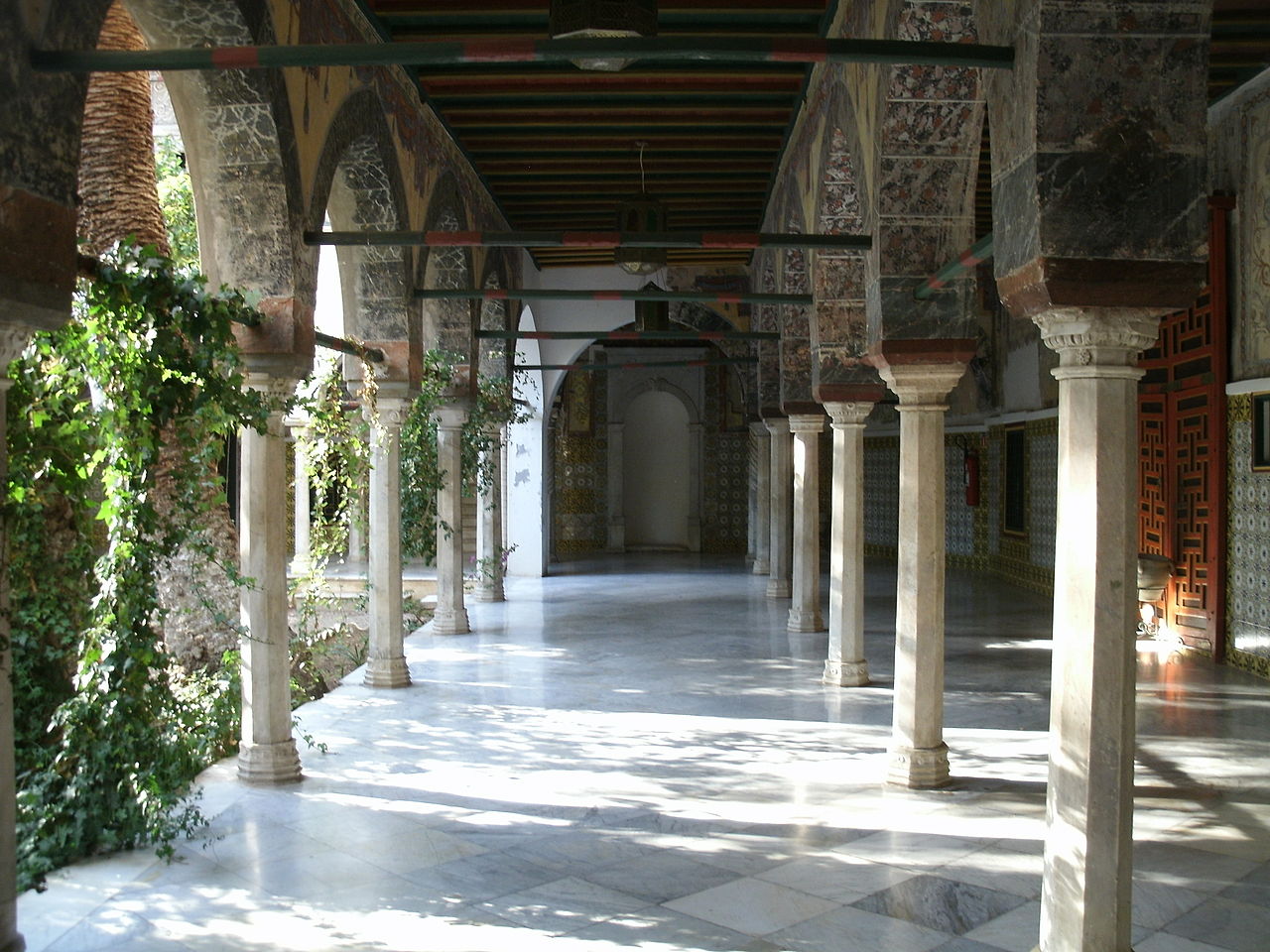
Overview and character
Known for its dramatic topography and numerous bridges, Constantine is sometimes called the "City of Bridges". The urban core perches atop a plateau with gorges carved by the Rhumel River. Narrow streets, layered neighborhoods and a mix of Ottoman, French colonial and modern architecture give the city a distinctive appearance.
History
The site has been occupied since antiquity. In classical sources it is known as Cirta and was an important center in the Numidian and later Roman eras. Over the centuries it came under various regional powers, including Ottoman and French rule, before becoming part of independent Algeria. The long history is reflected in archaeological remains, historic palaces and old citadel areas.
Landmarks and institutions
Prominent landmarks include several historic suspension and arch bridges that span the gorges, Ottoman-era palaces, and museums displaying local artifacts. Notable sites often mentioned by visitors include the Sidi M'Cid and other iconic bridges, the old medina quarter, the Musée Cirta and the historic palace of Ahmed Bey. Educational institutions and cultural centers make Constantine a regional hub for learning and the arts.
Economy, culture and transport
The local economy combines public administration, education, light industry and commerce. Constantine is an important cultural center for northeastern Algeria; it has musical traditions linked to Andalusian classical forms such as the Malouf, as well as festivals, theaters and academic life. The city is connected by road and rail to other Algerian centers and is served by an airport nearby that links it to domestic and some international destinations.
Notable facts
- Administrative capital of Constantine Province and an important regional center.
- Often described as the third-largest Algerian city after Algiers and Oran.
- Classical name and archaeological legacy as Cirta reflect its long history.
- Visitors are drawn to its bridges, historic quarters and museums.
For further introductory information, see the city's Arabic name قسنطينة and general entries about the city and country. Additional resources on regional administration and tourism are available through provincial and national guides.
Related articles
Author
AlegsaOnline.com Constantine, Algeria Leandro Alegsa
URL: https://en.alegsaonline.com/art/22644