
Aalborg, Denmark — city overview and history
Aalborg is a northern Jutland city on the Limfjord, Denmark's fourth largest. Known for Viking remains, a university, a changing waterfront and industrial heritage, it blends history with contemporary culture.

Overview
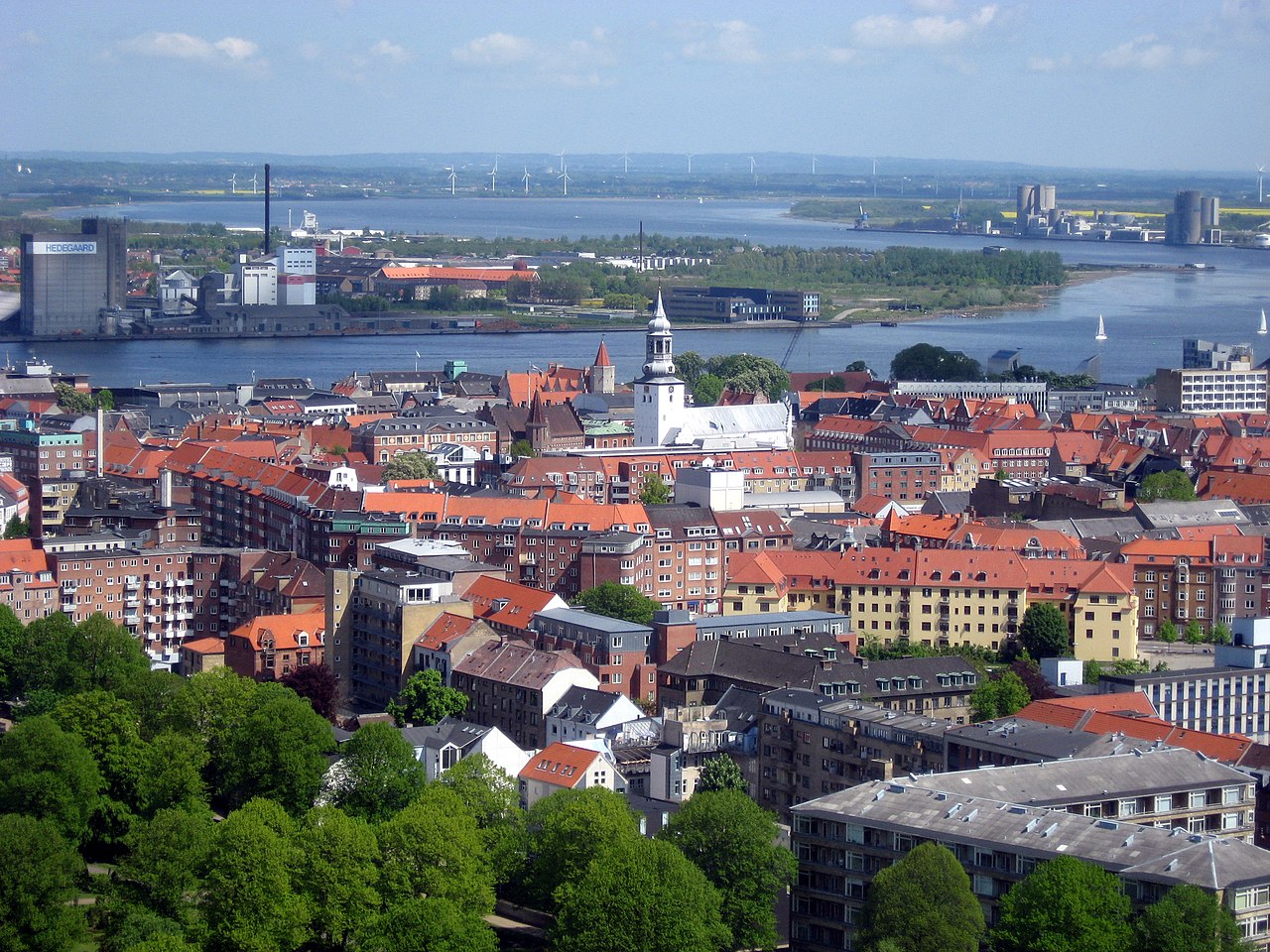
Aalborg is a city in Denmark located in the North Jutland region on the shores of the Limfjord. With a population of roughly 143,000 (2021) it is the country’s fourth-largest city. Aalborg combines an active port area and industrial zones with residential districts and a rebuilt waterfront that has become a focus for restaurants, business and recreation.
Image gallery
10 Images





Cityscape and notable sites

The city centre retains medieval streets near the old harbour alongside modern architecture such as cultural centres and contemporary housing. Distinctive local landmarks include the waterfront redevelopment, historic churches, and museums. Nearby attractions include the Viking-era burial ground at Lindholm Høje, parks, and an assortment of theatres and galleries that serve the wider region.
History and development
Aalborg’s origins date back many centuries; settlement in the area began in the early Middle Ages and growth accelerated around the Limfjord. The town was first recorded in written sources in the 11th century (1040 is an early mention), gained municipal privileges in the 14th century (1342) and later became a seat of a Lutheran bishop (1554). Over time it moved from a trading and craft centre to industrial activities including shipbuilding, manufacturing and shipping in the 19th and 20th centuries.
Education, culture and economy
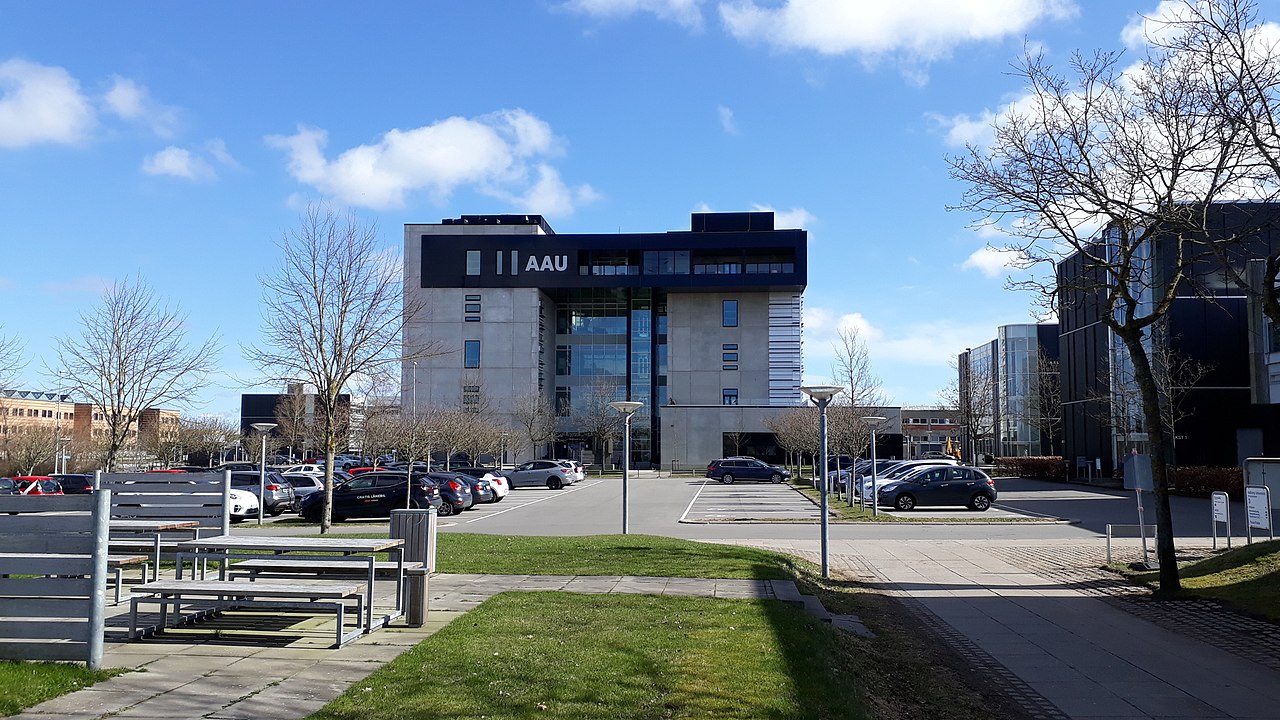
Aalborg is home to a major university founded in the 1970s which attracts students and research projects in science, engineering and the social sciences. The city hosts festivals, notably one of Northern Europe’s larger street carnivals, and maintains several museums, a zoo and cultural venues. Economically it combines port activities, technology and service industries while continuing to adapt former industrial areas into mixed-use neighbourhoods.
Transport and connections
Transport links include an international airport, regional rail connections and road routes that connect the city to the rest of Denmark and southern Sweden. The port handles commercial shipping and small-scale ferry and passenger movements across the Limfjord, supporting both freight and tourism.
Distinguishing facts
- Aalborg ranks among Denmark’s largest cities and serves as a cultural and economic hub for North Jutland.
- The nearby Viking burial site at Lindholm Høje is a notable archaeological attraction.
- The city has shifted from heavy industry toward education, culture and waterfront redevelopment in recent decades.
Related articles
Author
AlegsaOnline.com Aalborg, Denmark — city overview and history Leandro Alegsa
URL: https://en.alegsaonline.com/art/224