
1554 (year)
Events, context and notable developments from 1554 CE, including political upheavals in England, the start of the Siege of Siena, the founding of São Paulo, and numeric properties of 1554.
1554 was a year of political tension in Europe and continuing expansion overseas. It sits in the middle of the mid-16th century conflicts shaped by the Reformation and Counter-Reformation, dynastic rivalry among Habsburg and French interests, and the advance of European colonialism in the Americas.
Image gallery
8 Images




Politics and conflict
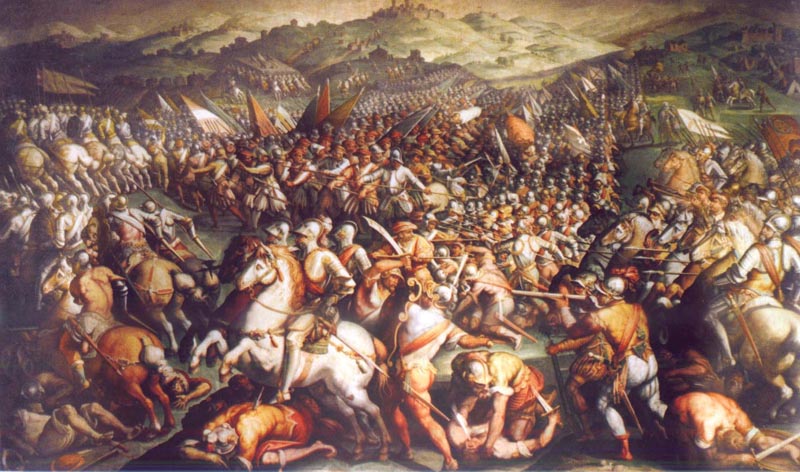
Across Italy and the central Mediterranean the Italian Wars continued to reconfigure power. In 1554 the combined Spanish and Florentine forces moved against the independent Republic of Siena; the Siege of Siena began in 1554 and culminated in the city's fall in 1555, accelerating the region's absorption into larger territorial states under Spanish influence and Medici rule.
England and religious crisis
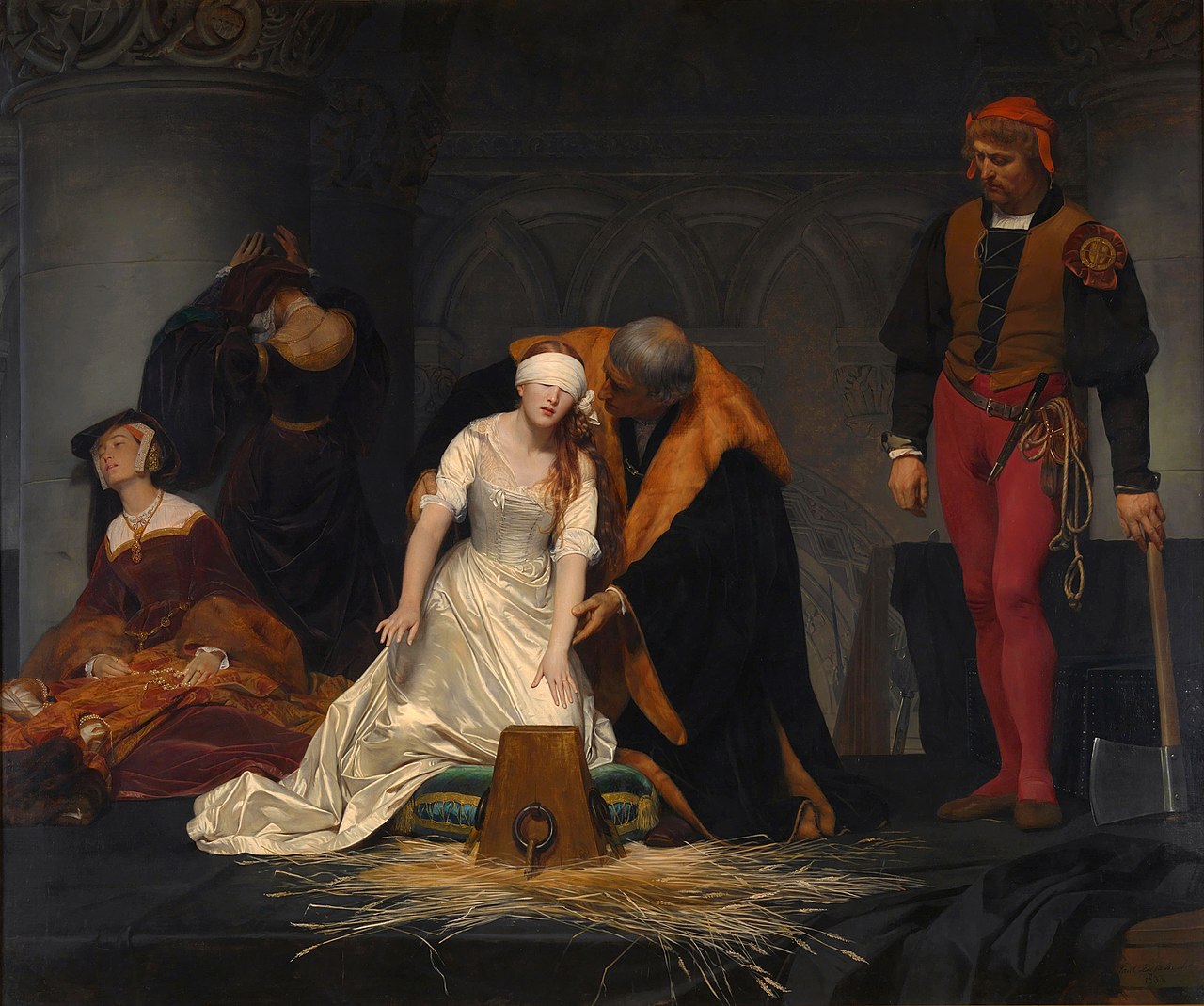
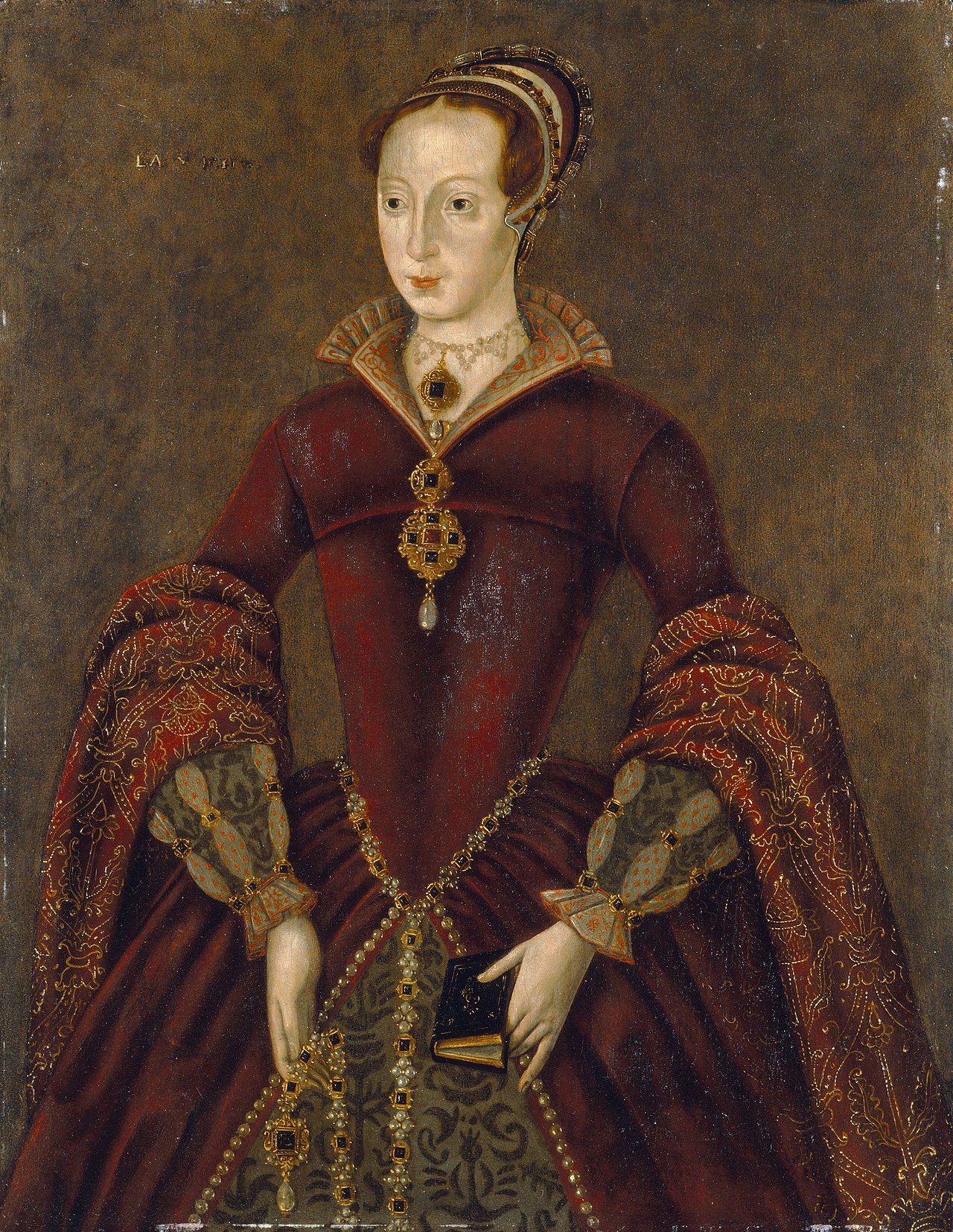
England in 1554 was dominated by the consequences of Queen Mary I's efforts to restore Catholicism and by controversy over her marriage to Philip of Spain. Opposition to that marriage sparked Wyatt's Rebellion, led by Sir Thomas Wyatt the younger; the uprising was defeated and its leaders were tried and executed, and the crisis illustrated the volatility of Tudor religious politics. Mary and Philip were formally married in July 1554, a union that influenced English foreign policy and domestic tensions.
Colonial expansion
European activity beyond Europe expanded with missionary settlements and new colonial foundations. In Brazil Jesuit priests established a permanent mission settlement on January 25, 1554, known as São Paulo de Piratininga, which later grew into the city of São Paulo. Religious orders played a central role in early colonization, education and relations with indigenous populations.
Religion, culture and communication
The wider religious conflicts of the Reformation era continued to shape politics, diplomacy and everyday life. Printing and the spread of pamphlets and religious texts accelerated debate across confessions. Artistic and intellectual life adjusted to changing patronage as courts and churches competed over influence.
Notable outcomes
- Suppression of rebellions and executions underscored the limits of tolerated dissent in several states.
- Diplomatic marriages and military campaigns continued to determine alliances across Europe.
- Colonial foundations of this period had lasting demographic and cultural effects in the Americas.
As a number
The year number 1554 is an even composite integer. Its prime factorization is 2 × 3 × 7 × 37, and in Roman numerals it is written MDLIV. Mathematically it shares the ordinary divisibility properties of mid-sized composite numbers.
Related articles
Author
AlegsaOnline.com 1554 (year) Leandro Alegsa
URL: https://en.alegsaonline.com/art/111480