
Coffin Bay National Park — coastal landscapes and wildlife on the Eyre Peninsula
Coffin Bay National Park in South Australia protects cliffs, beaches, bays and sand dunes on the Coffin Bay Peninsula; remote access, wildlife, cultural stories and ongoing conservation make it a distinctive coastal reserve.
Overview
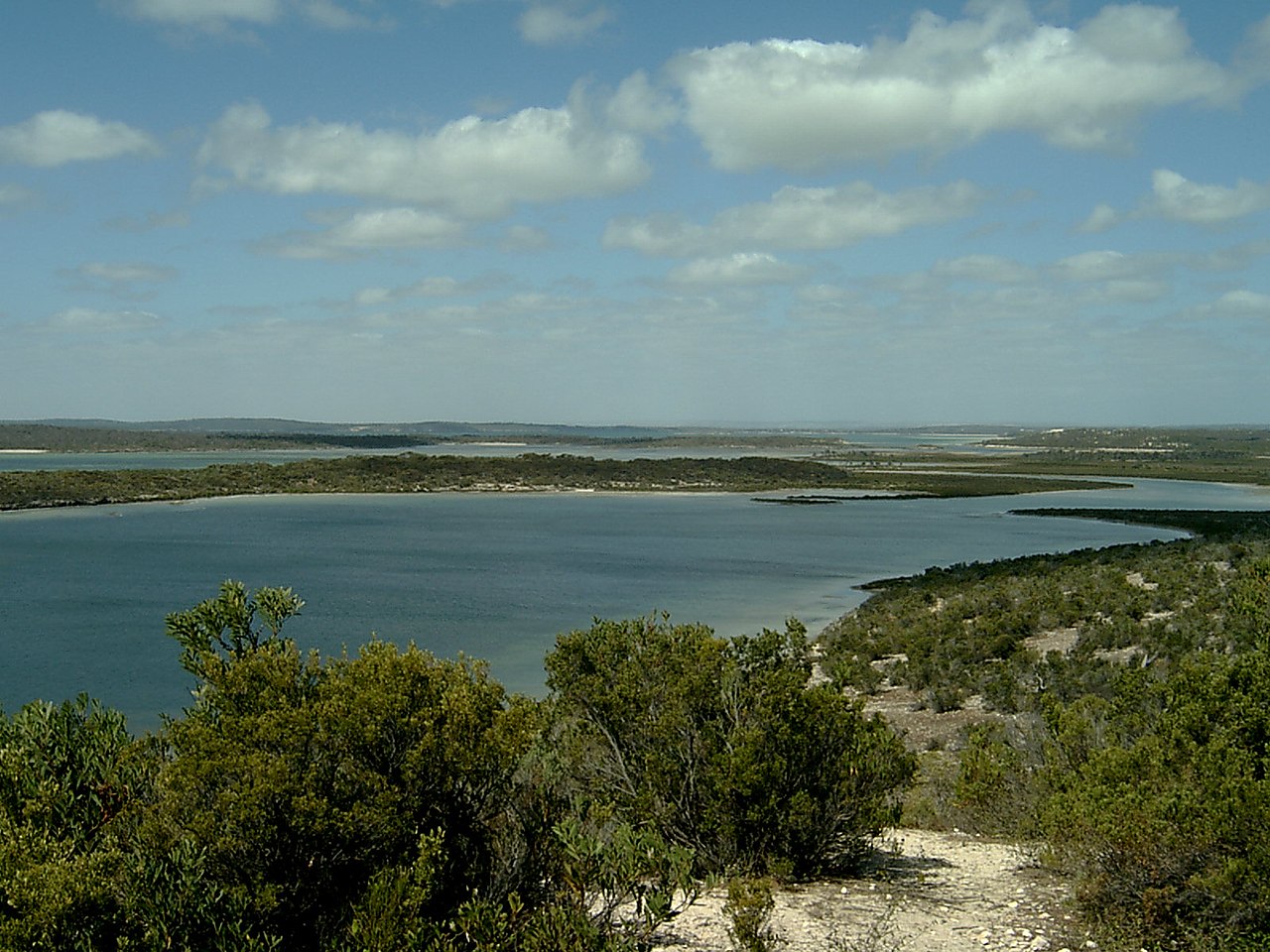
Coffin Bay National Park preserves a diverse coastal zone on the western edge of the Eyre Peninsula in South Australia. The reserve encompasses headlands, sheltered bays, long surf beaches and extensive sand dunes clustered around the Coffin Bay Peninsula. It lies to the west of Port Lincoln and is recognised for its scenic contrasts between open ocean and quieter inland waters. For official information and visitor guidance see park information and for broader regional context consult sources about the Eyre Peninsula and South Australia.
Image gallery
6 Images


Landscape and access
The park contains a variety of coastal landforms: steep coastal cliffs that meet the Southern Ocean, exposed surf beaches suitable for experienced surfers, and more sheltered bays and inlets that support seagrass beds and tidal flats. Significant dune systems occur along the peninsula and create extensive sandy terrain behind the beaches. The park sits roughly 50 km west of Port Lincoln, a common departure point for visitors and boat trips; see local maps and distance references such as regional maps and distance guides. The town of Port Lincoln itself is a gateway for many trips into the park (Port Lincoln visitor services).
Getting there and practical access
Large parts of Coffin Bay National Park are remote and are reachable only by four-wheel-drive vehicles or by water. Unsealed tracks cross dune fields and coastal flats, and tidal conditions affect some access points. For detailed access rules, vehicle requirements and track conditions consult the park authority and four-wheel-drive guidance at four-wheel-drive access advice. Boat access is a popular alternative for exploring bays and islands adjacent to the peninsula.
Plants, animals and conservation
The park supports a range of plant communities from coastal heath and dune grasses to remnants of grassy woodland. Restoration efforts have included replanting of native trees such as the drooping sheoak (Allocasuarina verticillata) to rebuild habitat and stabilise soils. Fauna commonly recorded in the park include Western Grey Kangaroos, emus and a variety of lizards; shorelines and seagrass beds also attract seabirds and marine life. Public information and species lists are available through conservation pages and wildlife references, including regional species notes at wildlife information.
Cultural history and significance
Indigenous people have long connections with the Coffin Bay area and its coastal resources. Local Aboriginal stories describe events that relate to the landscape; for example, one telling speaks of a great fire arriving from the sea and dunes being used to smother it, reflecting how oral tradition links people with changing coastal features. The park contains culturally significant places and visitors are asked to respect Indigenous heritage and any site restrictions.
Visiting tips and activities
Visitors come to Coffin Bay National Park for beachwalking, birdwatching, fishing from boat or shore, four-wheel driving and camping in designated areas. Because conditions can be changeable and parts of the park are isolated, preparation is important: carry sufficient water and fuel, check tide times, obtain any permits required for camping or driving, and follow Leave No Trace principles. For planning and up-to-date advisories consult official park resources and local visitor centres referenced above.
Notable distinctions
- Covers a broad swath of coastline with contrasting ocean-facing and sheltered environments.
- Contains large, mobile dune systems that shape habitats and visitor routes.
- Recognised for both natural values and cultural associations with Indigenous Australians.
Because conditions and management rules may change, prospective visitors should consult the links provided and contact local authorities before travel to ensure a safe and respectful experience in Coffin Bay National Park.
Related articles
Author
AlegsaOnline.com Coffin Bay National Park — coastal landscapes and wildlife on the Eyre Peninsula Leandro Alegsa
URL: https://en.alegsaonline.com/art/21419
Sources
- environment.sa.gov.au : "Coffin Bay National Park"