
Four-wheel drive (4WD, 4x4)
Four-wheel drive (4WD or 4x4) is a drivetrain layout that delivers engine power to all four wheels; used for traction, off-road capability and towing, with variations such as part‑time, full‑time and low‑range systems.
Overview
Four-wheel drive, commonly abbreviated 4WD or 4x4, describes a vehicle layout in which the engine's torque is sent to all four wheels to propel the vehicle. This contrasts with two-wheel-drive layouts that drive only the front or rear pair of wheels. Four-wheel drive systems improve traction on loose, uneven, or slippery surfaces and are widely used in off‑road vehicles, trucks, SUVs, and some utility machines. The term 4x4 refers to four wheel positions, all of which can be driven.
Image gallery
10 Images
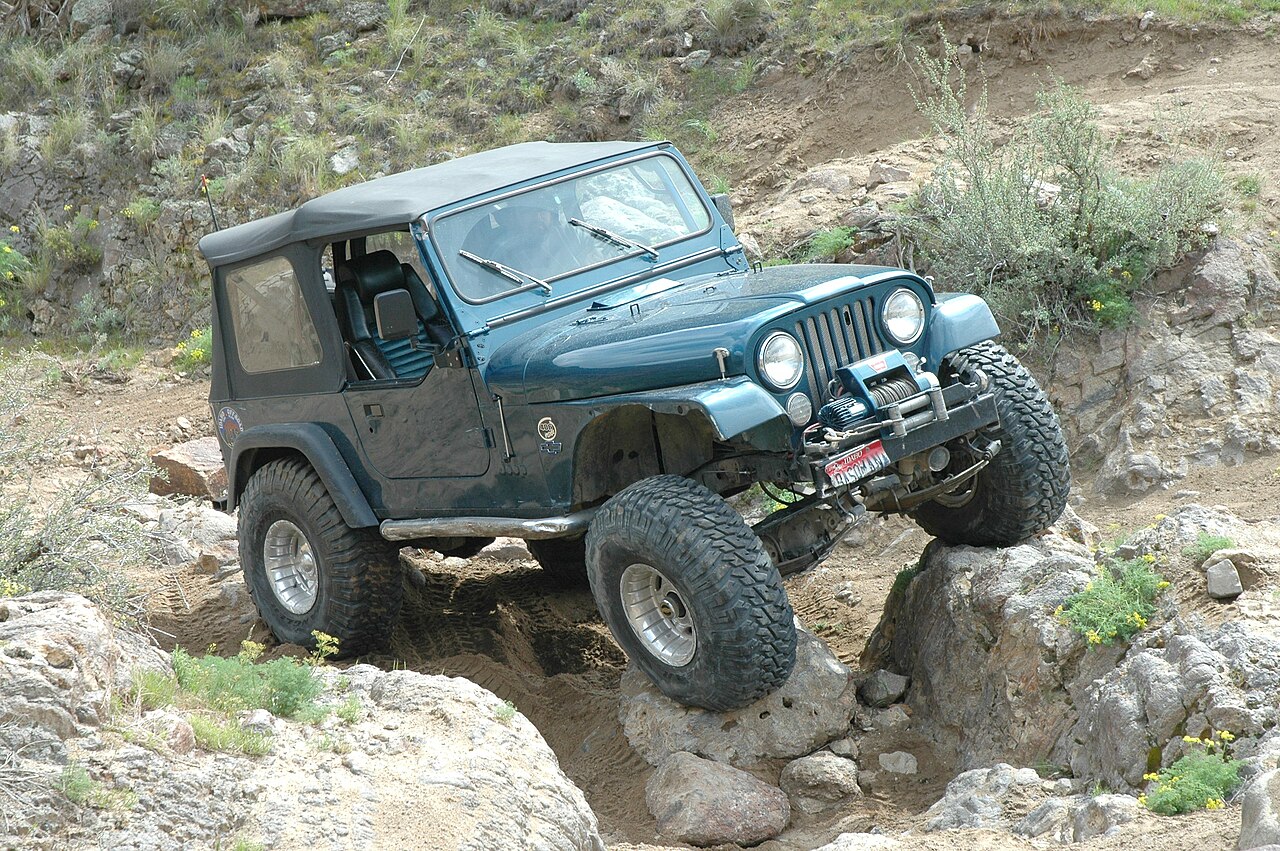
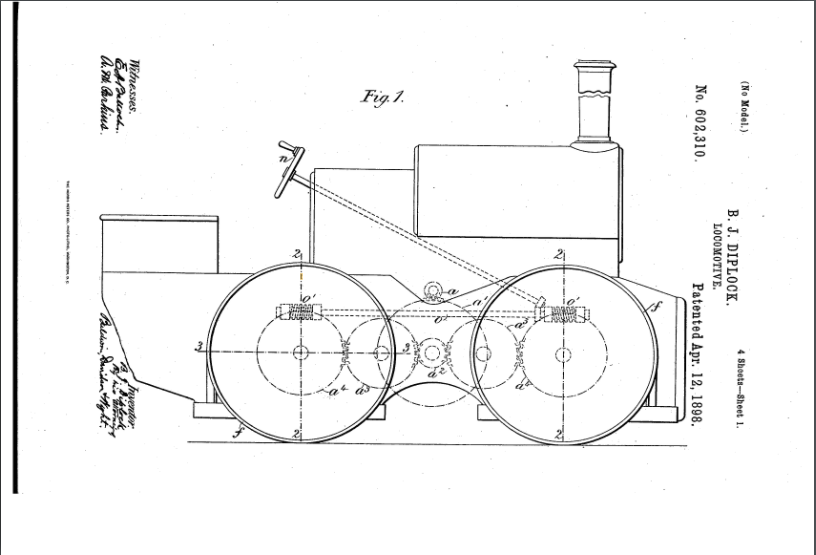
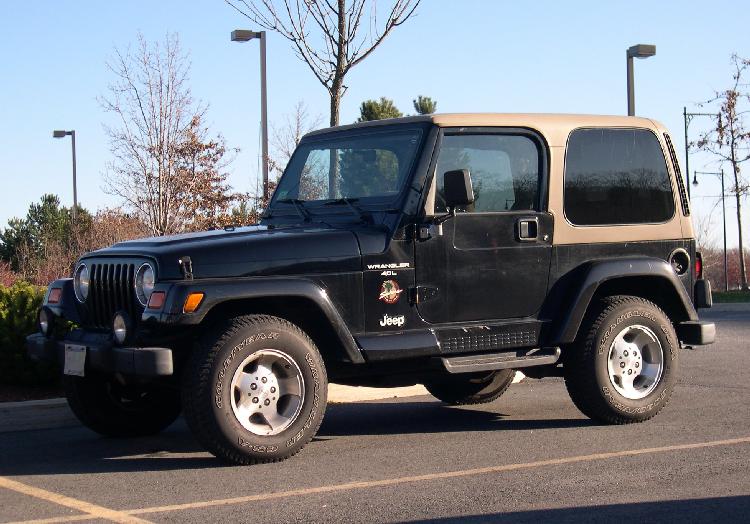


Key components and characteristics
Typical 4WD systems include a transmission, a drivetrain that routes torque, a transfer case to split power between axles, and front and rear axles. The engine provides power which is transmitted through the transmission to the transfer case and then to the wheels via driveshafts and differentials. The four wheels themselves are linked to this arrangement; each wheel may receive drive torque depending on the system design and traction conditions.
Types and how they work
- Part‑time 4WD: The driver selects 4WD when needed. In normal use the vehicle runs in two‑wheel drive to save fuel and reduce component wear.
- Full‑time (permanent) 4WD: Power is sent to all four wheels continuously, usually with a center differential to allow different rotational speeds between axles.
- Automatic or on‑demand 4WD: The system normally runs in two‑wheel drive and automatically engages the front or rear axle when sensors detect slip.
Many transfer cases provide a low‑range gear (often called "4L" or four‑low) that multiplies torque at low speeds for climbing, heavy towing, or crawling over obstacles.
History and development
Early 4WD concepts appeared in the late 19th and early 20th centuries for industrial and military use. Over time, mechanical designs evolved from simple manually engaged systems to complex electronically controlled differentials and traction aids. The post‑war period saw wider civilian adoption as manufacturers introduced 4WD pickups and SUVs for recreational and work use.
Uses and notable advantages
Four‑wheel drive improves traction on off‑road trails, snow, mud, and loose surfaces, and enhances towing and load‑carrying capability. It is valued by emergency services, farmers, and outdoor enthusiasts. While 4WD aids mobility, it is not a substitute for cautious driving; stopping distances and handling characteristics can still be affected by road conditions.
Distinctions and practical considerations
4WD differs from all‑wheel drive (AWD) in typical intent and control: AWD is often full‑time and tuned for on‑road stability, while 4WD emphasizes selectable modes and low‑range capability. When comparing vehicles consider fuel economy, complexity, maintenance of differentials and transfer case, and whether two‑wheel drive operation is preferred for everyday use. For more technical detail, consult manufacturer documentation or a dedicated source on driveline engineering.
Related terms and parts: vehicle, power delivery, and the role of the transfer case in splitting torque between axles. Practical inspection points include driveshaft condition, differential oil, and proper operation of selectable 4WD controls.
Questions and answers
Q: What is a Four-wheel drive vehicle?
A: A Four-wheel-drive vehicle receives power from the engine and transmits it to all four wheels to move forward, unlike a two-wheel drive vehicle.
Q: What are some common uses of Four-wheel drive vehicles?
A: Four-wheel drive vehicles are often used for off-road driving.
Q: How do Part-time and full-time Four-wheel drive vehicles function?
A: Part-time and full-time Four-wheel drive vehicles use a transfer case as part of the drivetrain to direct power to one or both axles.
Q: What is the purpose of having a transfer case in a Four-wheel drive vehicle?
A: Having a transfer case in a Four-wheel drive vehicle allows the driver to shift the vehicle into either "two-wheel-drive" or "four-wheel-drive" mode.
Q: What is a low power range in a Four-wheel drive vehicle?
A: Many transfer cases in Four-wheel drive vehicles have a low power range that multiplies the engine power when in four-wheel drive. This range is called four-wheel low gear.
Q: What is the difference between 4WD and 4x4?
A: There is no difference between 4WD and 4x4. They are both terms used to describe Four-wheel drive vehicles.
Q: How is Four-wheel drive different from Two-wheel drive?
A: Four-wheel drive receives power from the engine and transmits it to all four wheels to move forward, while two-wheel drive only transmits power to two wheels, usually the rear wheels.
Related articles
Author
AlegsaOnline.com Four-wheel drive (4WD, 4x4) Leandro Alegsa
URL: https://en.alegsaonline.com/art/35904
Sources
- edmunds.com : "Do You Need an All-Wheel-Drive or Four-Wheel-Drive Car?"
- autotrader.com : "Four-Wheel-Drive Systems Demystified"
- jdpower.com : "Todays Four-wheel-drive Systems-Which One Do I Need?"
- commons.wikimedia.org : Four-wheel drive