
Coates, Cambridgeshire
Coates is a small rural village in Cambridgeshire, England. This article outlines its location, landscape, history, community life, and the features that characterise many small English parishes.
Coates is a small village in the county of Cambridgeshire in the United Kingdom. Like many settlements in eastern England, it is set within a largely agricultural landscape and functions as a local community focus for the surrounding farms and hamlets. The village name is of Old English origin and is typically interpreted as relating to cottages or small shelters.
Image gallery
1 Image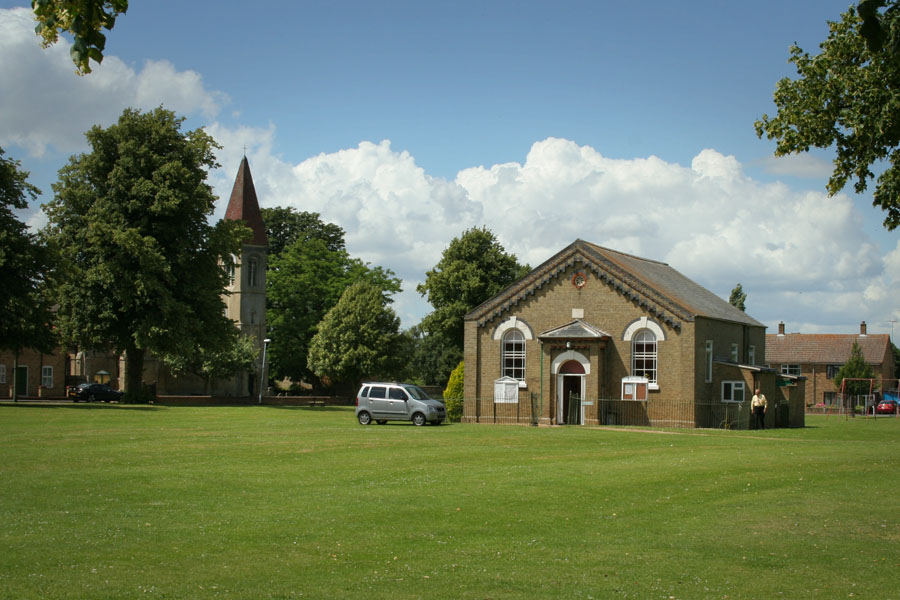
Overview and character
Coates is representative of rural English parishes: modest in size, with low-density housing, lanes rather than streets, and a mix of historic and modern buildings. Villages of this type often retain a parish church, village hall and communal green or recreation area. The character is generally quiet and shaped by seasonal farming activities, local clubs and occasional community events.
History and development
Settlement in the area dates back many centuries, with documentary and landscape evidence suggesting medieval origins for the nucleated village form. Over time agricultural improvements, drainage projects in eastern Cambridgeshire and broader social changes in the 18th and 19th centuries altered land use and population patterns. Historic buildings, field boundaries and parish records reflect this layered past.
Landscape and environment
The surrounding countryside is predominantly arable land, punctuated by hedgerows, small woodlands and drainage ditches that manage the water table. This flat to gently undulating terrain supports cereal crops and mixed farming. Nearby nature reserves, river corridors or wetland areas — common in parts of Cambridgeshire — provide habitats for wildlife and opportunities for walking and birdwatching.
Community, amenities and services
Local services in villages like Coates tend to be limited: a church or chapel, a village hall, and sometimes a pub or shop in the wider parish. Residents typically rely on neighbouring market towns for schools, healthcare and larger shops. Community life often revolves around voluntary groups, seasonal fetes and shared maintenance of village amenities.
Transport and connections
Transport links are usually local roads and rural bus routes that connect to larger towns and regional centres. Many households include people who commute by car or public transport to employment, education and services in nearby urban areas. The village’s setting makes it a base for countryside recreation while remaining linked to the wider county.
Notable points and distinctions
- Place-name: the name reflects its early, humble origins related to cottages or shelters.
- Rural heritage: historic field patterns and buildings illustrate traditional agricultural life.
- Community resilience: like many small parishes, local institutions and volunteer groups sustain social life.
For further local information and administrative details consult county or parish resources and regional guides that cover villages across Cambridgeshire and the broader English countryside.
Related articles
Author
AlegsaOnline.com Coates, Cambridgeshire Leandro Alegsa
URL: https://en.alegsaonline.com/art/21277