
Coach (horse-drawn carriage)
A coach is a four-wheeled, usually closed horse-drawn carriage used historically for passenger travel, mail and ceremonial purposes. Driven by a coachman or postilions, it shaped long-distance transport before railways.
Overview
A coach is a four-wheeled, generally enclosed carriage designed to carry passengers and luggage over roads. Traditionally drawn by a team of horses and steered by a coachman or by postilions riding the animals, the coach became a standard vehicle for long-distance travel and formal transport in Europe and elsewhere from the early modern period onward. The term coach today covers both the historic horse-drawn vehicle and, by extension, later motorized long-distance buses.
Image gallery
10 Images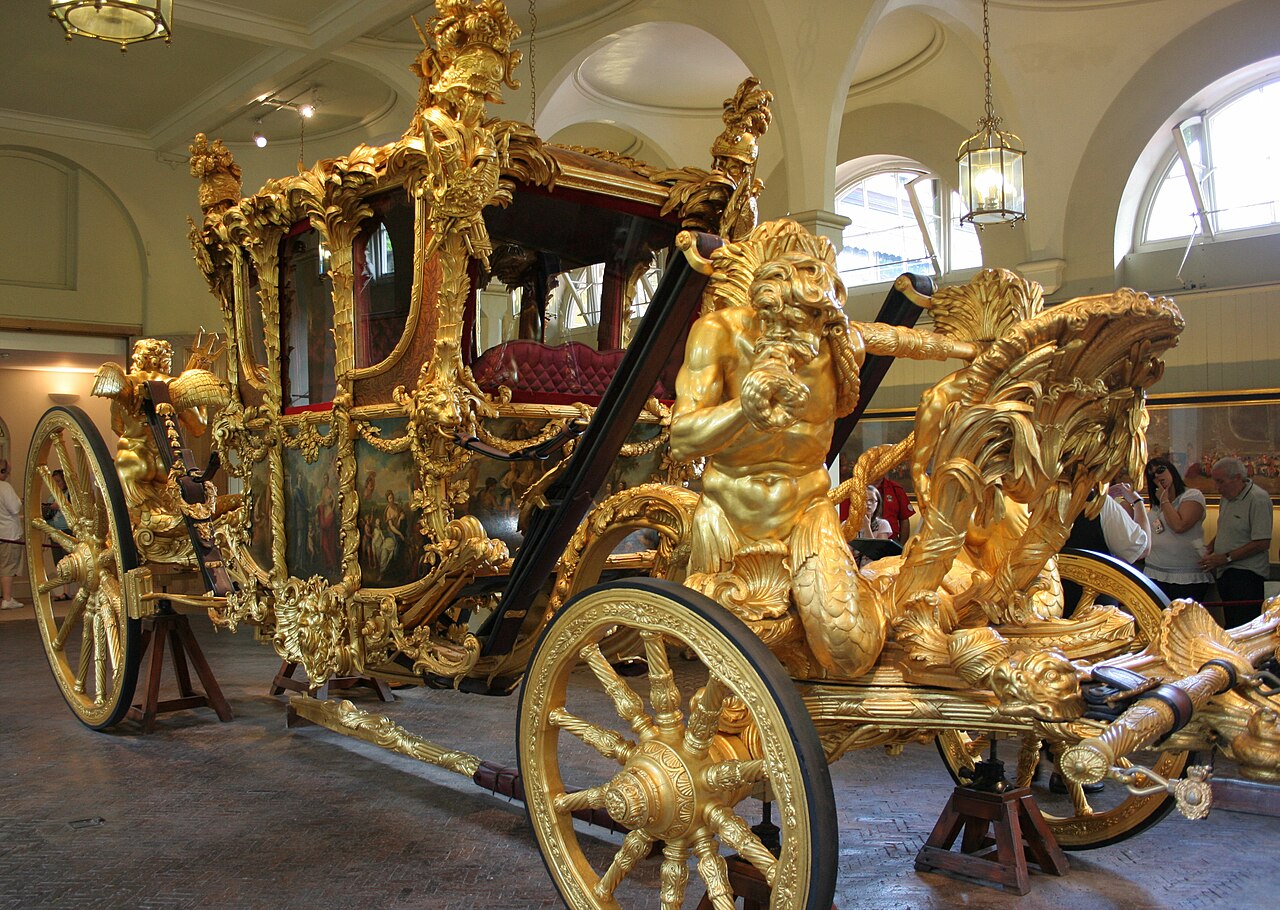
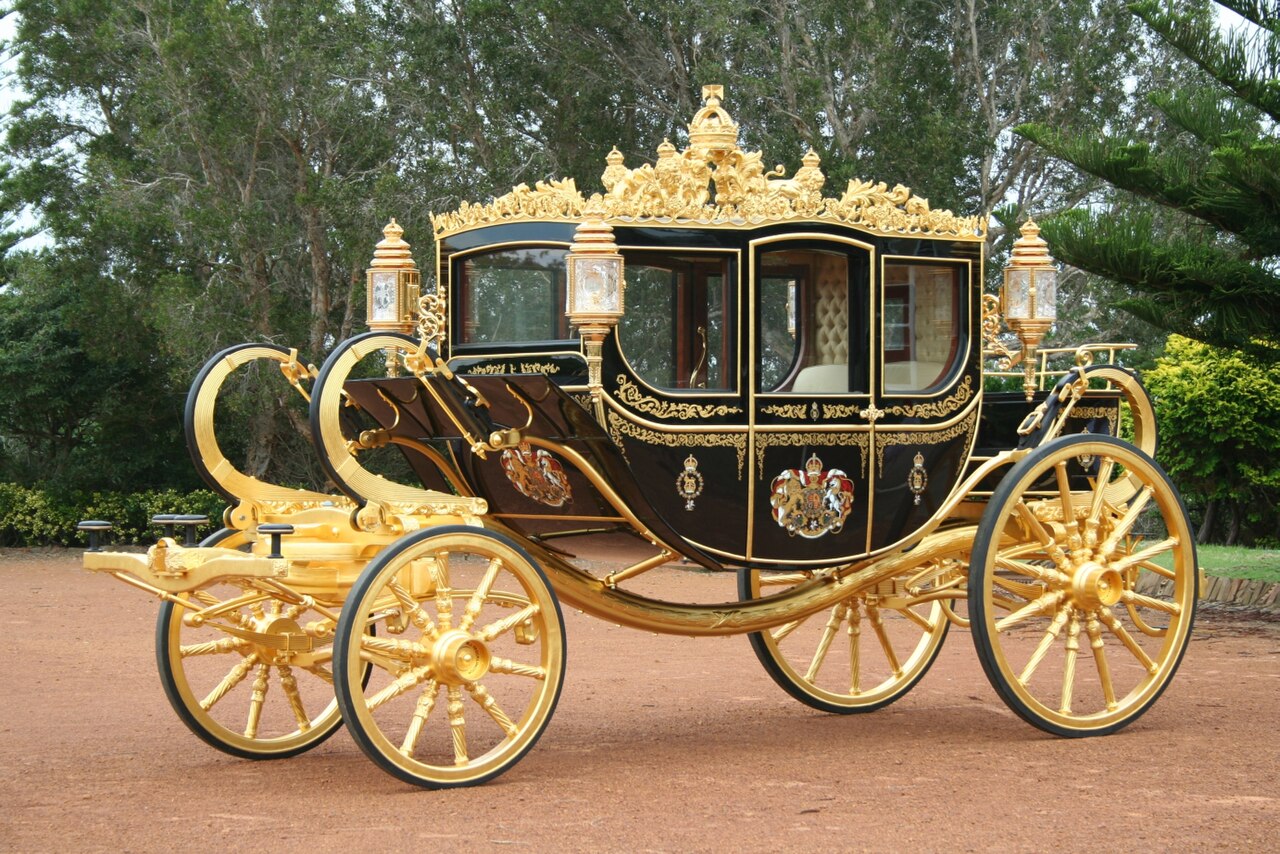


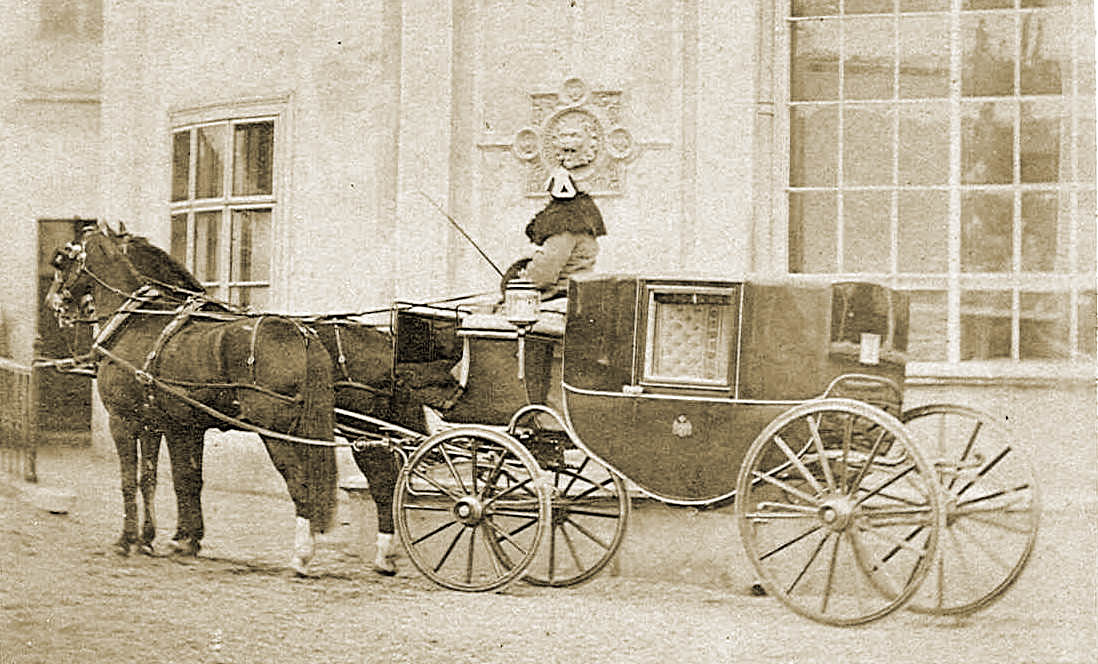
Design and components
Coaches combine a passenger body mounted on a chassis with suspension, and a separate driver's seat. Typical characteristics include a fixed roof, glazed windows, two pairs of wheels, and leaf-spring or leather-strap suspension to smooth the ride. Interiors varied from simple bench seating to upholstered compartments with individual seats, curtains and storage spaces for luggage.
- Body: enclosed cabin with doors and windows
- Chassis and axles: two axles supporting four wheels
- Suspension: springs or leather straps to absorb shocks
- Harnessing: shafts or pole for horses and mounting points for reins
History and development
The coach evolved in Central Europe and became widespread in the 16th–18th centuries as road improvements and demand for comfortable, scheduled travel increased. The English word is derived from the Hungarian village name Kocs, where an early type of carriage was built. Over the 18th and early 19th centuries, innovations in springing, wheel construction and road networks made coach travel faster and more reliable until railways and later motor vehicles largely replaced them for most transport needs.
Types and uses
Different coach types served public, private and official functions. Stagecoaches and mail coaches carried paying passengers and postal bags on fixed routes; private family coaches provided comfortable travel for the well-to-do; state and ceremonial coaches remain symbols of authority and tradition. Today surviving coaches are preserved in museums, used in historical reenactments, or employed at ceremonial events.
- Stagecoach: scheduled public service over long distances
- Mail coach: carried post and passengers on timetables
- State coach: ornate vehicles for monarchs and ceremonial use
Operation and crew
Coaches are driven either by a coachman sitting on a forward box or by postilions who ride one or more of the draft animals. Teams of two, four or more horses were matched and harnessed to distribute pull and maintain speed. The coachman handled reins, whip and navigation, while postilions provided direct control of individual mounts on difficult roads or when greater skill was required.
Legacy and distinctions
Although often used interchangeably with 'carriage', a coach usually denotes a larger, enclosed vehicle designed for longer journeys and a greater number of passengers. The word 'coach' has left cultural traces beyond transport—appearing in educational and sporting contexts as a metaphor for instruction and guidance. Collectors, historians and preservationists continue to study and maintain historic coaches as examples of craft, travel and social history.
Related articles
Author
AlegsaOnline.com Coach (horse-drawn carriage) Leandro Alegsa
URL: https://en.alegsaonline.com/art/21205