
Coffin ships (Irish famine emigrant vessels)
Coffin ships were overcrowded, poorly supplied vessels that carried Irish emigrants during the Great Famine (1845–1852). High disease and death rates made these Atlantic crossings infamous.
Overview
The term "coffin ship" refers to mid-19th century vessels that carried large numbers of Irish immigrants and other desperate migrants away from famine-stricken areas to ports in America and British colonies. These voyages were most frequent during the Great Irish Famine (1845–1852). Low fares and urgent need to escape starvation produced mass departures; for many, the sea crossing itself became a struggle to survive.
Image gallery
3 Images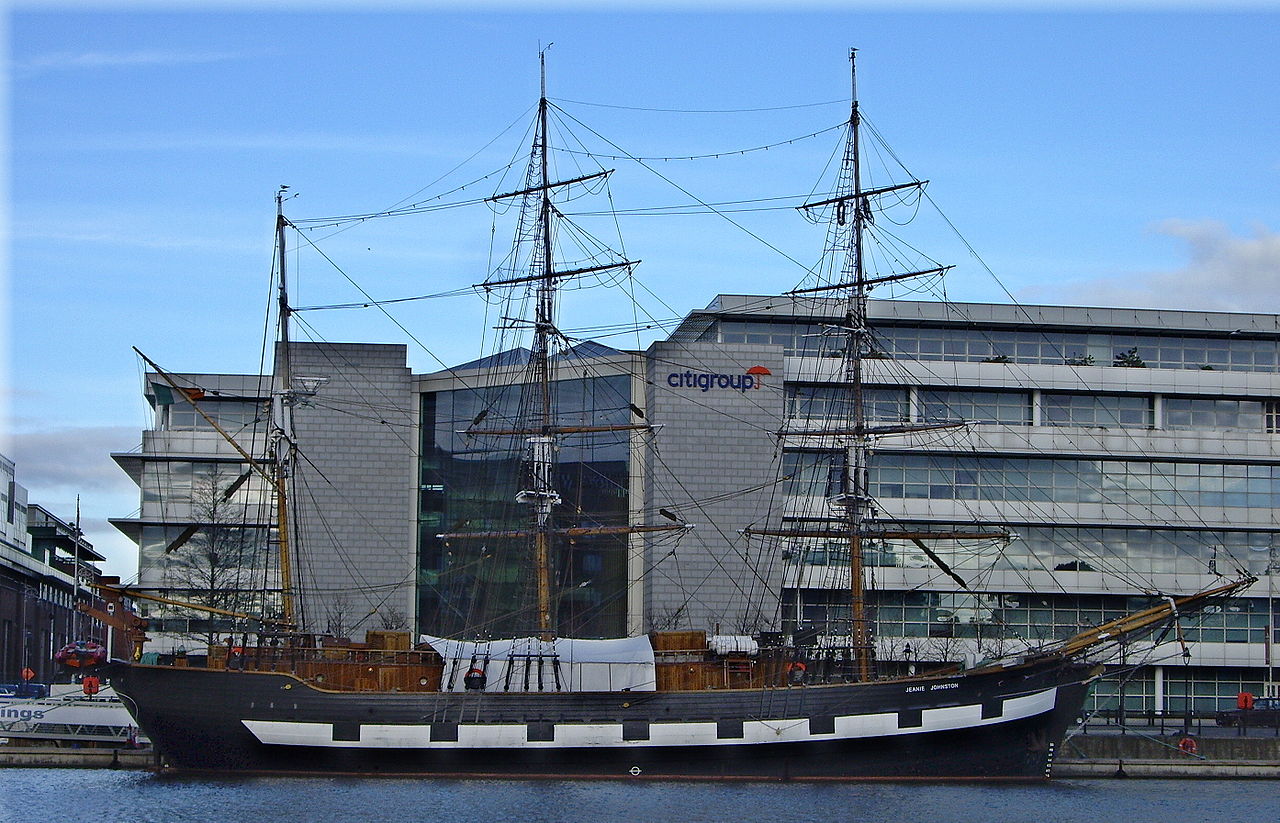


Conditions aboard
Passage in steerage meant cramped quarters below decks. On many voyages the holds were tightly packed, poorly ventilated and inadequately provisioned. Crossings of the Atlantic could last weeks; limited food, contaminated water and close contact encouraged the rapid spread of infectious diseases. Contemporary accounts describe inadequate sanitation, insufficient bedding and a general lack of medical care, making the trip both miserable and dangerous.
Emigrant experience
Prospective emigrants often sold possessions to pay for fare, boarded at coastal ports and endured crowded conditions from the outset. On board, families mixed with single adults and the elderly; space for personal belongings was minimal. Ship crews were focused on navigation and basic provisioning rather than passenger welfare, and many passengers who survived the voyage arrived weakened and vulnerable to further hardship.
Mortality and response
Mortality rates varied by voyage and season. Some ships experienced only a few deaths, while others suffered much higher losses; on some documented crossings a substantial share of those embarked died before arrival. High death tolls and outbreaks of fever led authorities and charitable organizations to press for better regulation of emigrant shipping, inspection of vessels and improved medical arrangements.
Quarantine and reception
Arrivals in North American ports were sometimes met with quarantine measures to limit the spread of illness. Notable quarantine sites and hospitals processed sick passengers, and entry procedures could delay settlement for survivors. Even after disembarkation many faced poverty, ill health and the challenge of finding work or shelter.
Impact and legacy
Coffin ships left a lasting imprint on migration history and public memory. They contributed to later reforms in passenger legislation, encouraged stricter enforcement of capacity and provisioning rules, and prompted philanthropic responses aimed at relief and emigration oversight. Folk stories and contemporary reports—such as accounts that sharks followed the vessels when bodies were thrown overboard—entered popular lore, reflecting both the trauma of the crossings and the human cost of famine-driven migration. Together, these recollections and records continue to inform research, memorials and family histories linked to that period.
Further study
Historians examine coffin ships within broader themes of migration, colonial policy and humanitarian response. Research draws on ship logs, passenger lists, hospital records and newspapers to reconstruct journeys, health outcomes and regulatory changes. For more context and primary sources, see specialized collections and maritime history resources.
Related topics: ships, transatlantic travel, migration law and public health in the 19th century.
Questions and answers
Q: What were coffin ships used for during the Great Irish Famine?
A: Coffin ships were used to transport Irish immigrants to America and other colonies during the Great Irish Famine (1845-1852).
Q: Why were coffin ships the cheapest way to cross the Atlantic during the Great Irish Famine?
A: Coffin ships were the cheapest way to cross the Atlantic during the Great Irish Famine because they were overcrowded and offered little food and water.
Q: What were the conditions like on board coffin ships during the Great Irish Famine?
A: The conditions on board coffin ships during the Great Irish Famine were horrible due to overcrowding, little food and water, and the presence of diseases.
Q: How many passengers on coffin ships during the Great Irish Famine died before arriving in Canada or the USA?
A: One third (30%) of the passengers on coffin ships during the Great Irish Famine died before arriving in Canada or the USA.
Q: Why did sharks like to follow coffin ships during the Great Irish Famine?
A: Sharks liked to follow coffin ships during the Great Irish Famine because the crew threw the dead bodies of passengers overboard.
Q: What is the Great Irish Famine?
A: The Great Irish Famine (1845-1852) was a period of mass starvation, disease, and emigration in Ireland caused by the failure of the potato crop.
Q: Why were Irish immigrants leaving Ireland during the Great Irish Famine?
A: Irish immigrants were leaving Ireland during the Great Irish Famine due to the mass starvation, disease, and lack of opportunities caused by the failure of the potato crop.
Related articles
Author
AlegsaOnline.com Coffin ships (Irish famine emigrant vessels) Leandro Alegsa
URL: https://en.alegsaonline.com/art/21420
Sources
- irishcentral.com : "The Great Famine coffin ships' journey across the Atlantic"
- historyplace.com : "Coffin Ships"