
Cluster headache: causes, symptoms, diagnosis and treatment
Cluster headache is a severe, unilateral headache disorder with brief, frequent attacks and autonomic signs. This article explains features, suspected causes, diagnosis, acute and preventive management, and prognosis.
Overview
Cluster headache is a primary headache disorder characterized by very severe, strictly one-sided pain usually centered around the eye or temple. Attacks are relatively short but intense, and they typically occur in groups or "clusters" over days to months, separated by remission periods. Cluster headache is less common than migraine yet often more disabling during active periods because of the severity and frequency of attacks.
Image gallery
7 Images




Symptoms and attack pattern
The hallmark is abrupt, excruciating pain on one side of the head that lasts from about 15 minutes up to three hours in most cases. Attacks may recur several times a day, often at the same time each day, and commonly awaken people from sleep. Typical accompanying features are signs of cranial autonomic activation on the affected side:
- Red or tearing eye (conjunctival injection and lacrimation)
- Nasal congestion or runny nose (rhinorrhea)
- Drooping eyelid (ptosis) or small pupil (miosis)
- Marked restlessness or agitation during an attack
Causes and mechanisms
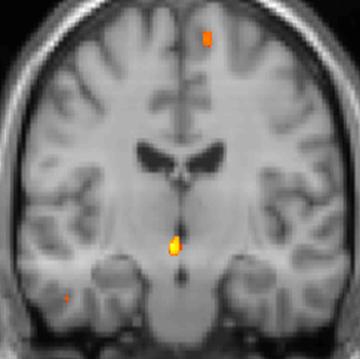
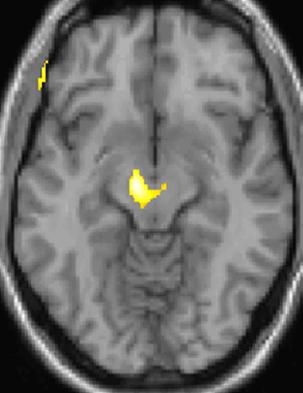
The exact cause remains unknown, but research implicates activation of the trigeminal-autonomic reflex and brain structures involved in biological rhythms, particularly the hypothalamus. This connection helps explain the striking daily and seasonal timing of attacks that many patients report. There is some familial clustering and genetic predisposition in a minority of cases; for an overview of genetic aspects see genetic factors. For many people without obvious genetic markers, a clear trigger or single cause is not identified (cause unknown).
Diagnosis and important distinctions
Diagnosis is clinical, based on the pattern of short, unilateral, severe pain with ipsilateral autonomic symptoms and the episodic nature. Physicians will take a detailed history and may use imaging to exclude secondary causes if the presentation is atypical or there are red flags. Key conditions to distinguish from cluster headache include migraine, trigeminal neuralgia (brief electric shock–like pains), paroxysmal hemicrania (which classically responds to indomethacin), and SUNCT/SUNA syndromes.
Management and prevention
Treatment has two complementary goals: aborting individual attacks rapidly and reducing attack frequency or severity during a cluster period. Fast-acting acute therapies widely used include high-flow oxygen inhalation and injectable or intranasal triptans. Preventive or transitional options aim to shorten or suppress a series of attacks and commonly include agents such as verapamil and, in some cases, short courses of corticosteroids for rapid suppression. For people with refractory or chronic disease, neuromodulation techniques and specialist treatments are considered. Lifestyle advice often includes avoiding alcohol and tobacco during active cluster periods and maintaining regular sleep patterns.
Prognosis and notable facts
Cluster headache can cause profound disruption, but it is not life-threatening. Many patients experience episodic bouts with spontaneous remissions that can last months or years; others develop chronic forms without long remission. Early recognition and prompt acute treatment can substantially reduce the burden. Because the condition is uncommon and intensely painful, referral to a headache specialist is appropriate when attacks are frequent, atypical, or resistant to first-line therapy.
Further reading: basic introductions and patient resources are available via authoritative medical sites and headache clinics (more on cluster headache, heritability and genetics, research into causes).
Related articles
Author
AlegsaOnline.com Cluster headache: causes, symptoms, diagnosis and treatment Leandro Alegsa
URL: https://en.alegsaonline.com/art/21173