
Combat stress reaction
Combat stress reaction is an acute psychological and physiological response to the trauma of combat, often treated early near the front to prevent chronic conditions such as PTSD.
Overview
Combat stress reaction is an acute set of mental and physical responses that can occur in military personnel exposed to the extreme demands and dangers of armed conflict. It arises from the immediate psychological impact and bodily strain associated with war and battlefield conditions. The condition has been described under several names in different eras, including "battle fatigue," "battle shock," and "shell shock." It is related to other early stress responses such as acute stress disorder and may precede longer-term disorders including post-traumatic stress disorder.
Image gallery
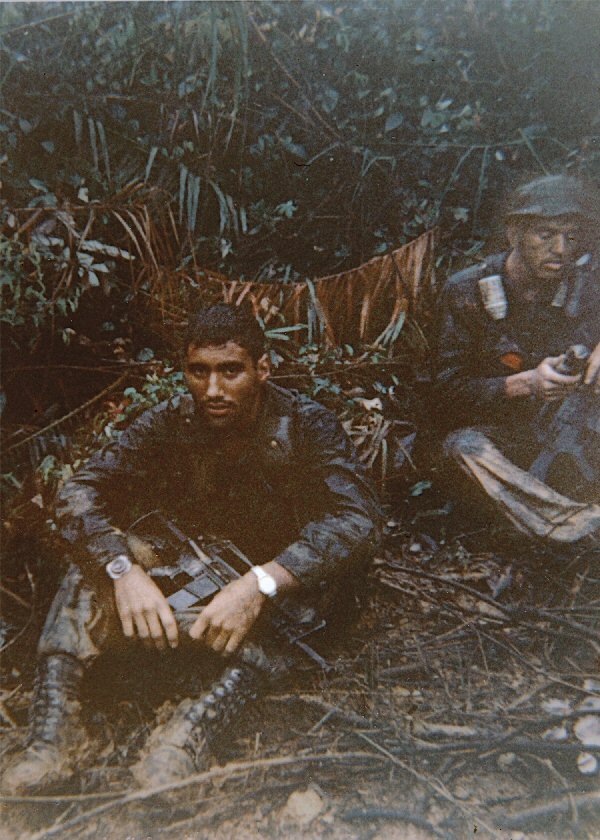
3 Images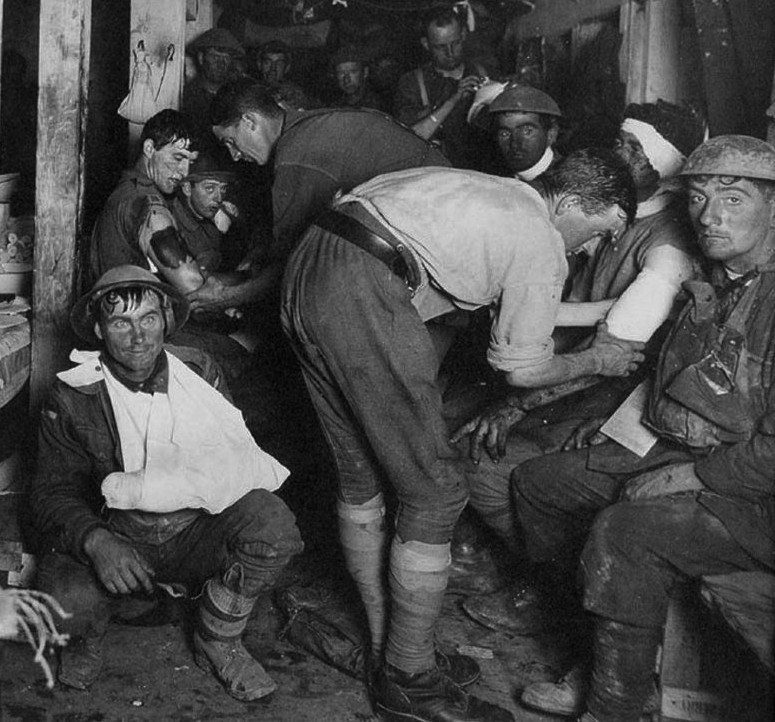

Symptoms and course
Manifestations of combat stress reaction vary in type and severity. Affected service members may show cognitive disturbances (confusion, slowed thinking, indecision), emotional symptoms (intense anxiety, tearfulness, numbness), behavioural changes (withdrawal, irritability, inability to follow orders) and physical signs (exhaustion, trembling, headaches, gastrointestinal complaints). Some individuals are briefly incapacitated and recover with rest and reassurance; others experience more profound dysfunction that interferes with duty or daily life.
- Common acute signs: fatigue, disorientation, panic, sleep disturbance.
- Functional effects: reduced reaction time, impaired concentration, moral injury.
- Possible outcomes: rapid recovery, repeated episodes, or progression to chronic stress disorders.
History and development
The modern recognition of combat stress reaction grew from observations in major twentieth-century conflicts. During World War I many cases were labeled "shell shock," a term that reflected both physical and psychological theories of causation at the time. In later wars, military medicine shifted toward psychological explanations and early intervention on or near the front line. Approaches and terminology evolved through World War II and subsequent conflicts as clinicians balanced operational needs with care for affected personnel.
Management and prevention
Treatment aims to restore function quickly and reduce the risk of a chronic disorder. Historically effective frontline approaches emphasize rapid, simple, and proximal care: treating symptoms close to the unit, offering rest and reassurance, and returning personnel to duty when appropriate. Programs often follow guiding principles summarized in acronyms taught to military caregivers; typical elements include providing care with proximity to the unit, immediacy of attention, and the expectation of recovery. In modern practice, frontline measures are supplemented by more structured mental health assessment, brief psychological interventions, and evacuation for ongoing severe symptoms. Medications are used when indicated for acute anxiety or sleep disturbance.
Significance and distinctions
Combat stress reaction differs from long-term psychiatric disorders by its acute onset and its frequent responsiveness to early intervention. Not every service member in combat will develop the reaction; vulnerability depends on prior stress exposure, individual resilience, unit cohesion, and the intensity of the traumatic events. Timely recognition and treatment help reduce short-term disability and lower the chance that an acute reaction will evolve into a chronic condition such as PTSD. Military planners and clinicians consider these reactions when organizing troop rotation, rest cycles, and mental health support during operations.
Many educational and clinical resources discuss prevention, practical care in the field, and long-term follow-up. Readers seeking further authoritative material can consult military health services and clinical guides that address acute stress in combat settings; these sources often explain frontline care concepts and rehabilitation pathways in more detail. For general context about affected personnel, see discussions of soldiers, the effects of trauma, and distinctions between battlefield conditions and other forms of stress. Operational planners study how exposure to combat and resulting reactions influence unit effectiveness and casualty management, and how early measures reduce the burden of disability.
Understanding combat stress reaction helps military organizations and clinicians design policies that support resilience, early treatment, and appropriate follow-up so that affected service members receive timely care while maintaining operational readiness.
Questions and answers
Q: What is combat stress reaction?
A: Combat stress reaction is a medical problem that happens to some soldiers because of the trauma of war, causing both mental and physical problems, similar to acute stress disorder, and can often become post-traumatic stress disorder.
Q: What were some of the names it was referred to in the past?
A: In the past, combat stress reaction was called battle shock, war neurosis, or battle fatigue.
Q: Does combat stress reaction affect everyone equally?
A: No, combat stress reaction does not affect everyone equally.
Q: What are some of the possible effects of combat stress reaction on soldiers?
A: Combat stress reaction can cause soldiers to be very unhappy or can cause soldiers severe disability.
Q: When is the best time to address combat stress reaction in soldiers?
A: The acute (early) stage of combat stress reaction is the best time to keep things from getting worse.
Q: Where have soldiers in early stages of combat stress reaction been treated since World War I?
A: Since World War I, soldiers in early stages of combat stress reaction have usually been treated on the front lines - close to where combat is happening.
Q: Is combat stress reaction unique to soldiers?
A: No, combat stress reaction is not unique to soldiers, but soldiers are a group that is at high risk of experiencing it. Anyone who experiences trauma can be at risk for developing combat stress reaction.
Related articles
Author
AlegsaOnline.com Combat stress reaction Leandro Alegsa
URL: https://en.alegsaonline.com/art/21860
Sources
- behavioralhealth.army.mil : behavioralhealth.army.mil
- ncbi.nlm.nih.gov : ncbi.nlm.nih.gov/pmc/articles/PMC1586146/