
Clayton-le-Woods — village and civil parish near Chorley, Lancashire
Clayton-le-Woods is a suburban village and civil parish in Lancashire, England, close to Chorley. This article summarizes its history, governance, transport links, amenities and demographic notes.
Clayton-le-Woods is a village and civil parish in the county of Lancashire, England, lying a short distance to the west of the market town of Chorley. It forms part of the suburban and semi-rural belt around Chorley and has a mix of residential neighbourhoods, small commercial areas and surrounding green spaces. The settlement sits within the Borough of Chorley and is commonly considered part of the town’s wider commuter area.
Image gallery
5 Images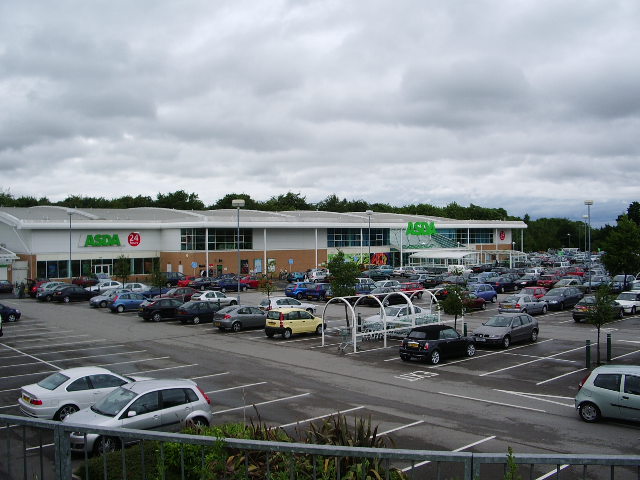


History
The place-name reflects typical English elements: "Clayton" suggesting soils or a farmstead on clay, with the addition "le-Woods" indicating historic woodland nearby. Like many villages in the region, Clayton-le-Woods developed from scattered farmsteads and estate land into a larger residential community during the 19th and 20th centuries as industrial growth and improved transport encouraged suburban expansion. Local development preserved pockets of countryside and offered a quieter alternative to nearby urban centres.
Governance and community
Clayton-le-Woods is governed at parish level while also falling under the wider administration of Chorley Borough and Lancashire County for services such as education and highways. The community includes a range of voluntary groups, local churches and recreational associations that organise events and manage local facilities. A blend of long-standing residents and newer households contributes to a mixed social character.
Transport and economy
The village benefits from road links that provide access to Chorley and the broader motorway network; nearby railway stations in Chorley offer services to regional centres. Many residents commute to employment in nearby towns and cities, while local businesses supply everyday goods and services. The local economy is therefore a mixture of commuter activity, retail and small-scale professional services.
Amenities and recreation
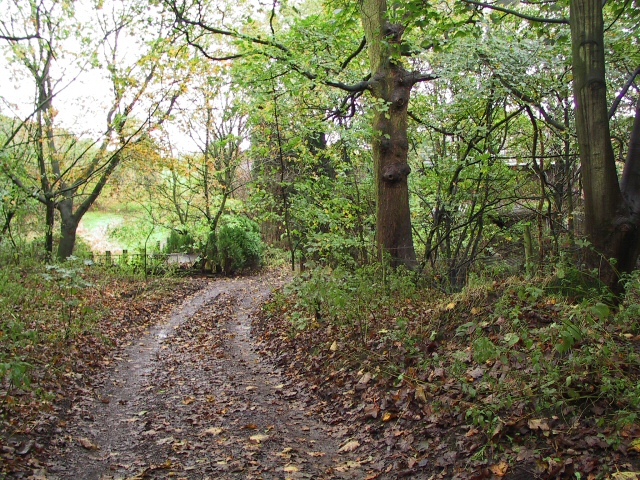
- Public parks, sports fields and walking routes on the village margins.
- Primary and secondary education provision in the surrounding area and access to health and community services in Chorley.
- Local shops, cafes and periodic markets serve day-to-day needs.
These facilities support a family-oriented lifestyle and contribute to the village’s appeal for those wanting a balance between countryside access and town amenities.
Demographics and notable facts
Population figures have changed over recent decades with suburban growth; for example the United Kingdom Census 2001 recorded a population in the thousands for the civil parish. Clayton-le-Woods is notable for its proximity to Chorley, its preservation of green spaces, and its role as a residential centre within south Lancashire. Visitors and residents alike value the combination of local community life and convenient links to larger urban areas.
Tags
Related articles
Author
AlegsaOnline.com Clayton-le-Woods — village and civil parish near Chorley, Lancashire Leandro Alegsa
URL: https://en.alegsaonline.com/art/20869
Sources
- neighbourhood.statistics.gov.uk : Clayton-le-Woods CP (Parish)