
Burgh by Sands
Burgh by Sands is a village and civil parish near Carlisle on the Solway Firth in Cumbria, England, notable for its Romano-British remains, medieval history and a distinctive parish church.
Overview
Burgh by Sands is a village and civil parish in the City of Carlisle district of Cumbria, in north‑west England. It lies close to the Solway Firth and near the line of Hadrian's Wall, occupying low, agricultural ground on the coastal plain west of Carlisle. The settlement has long served as a local centre for surrounding farms and small communities.
Image gallery
4 Images

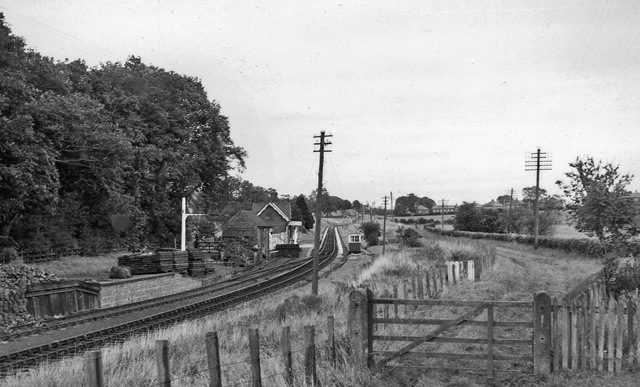
History
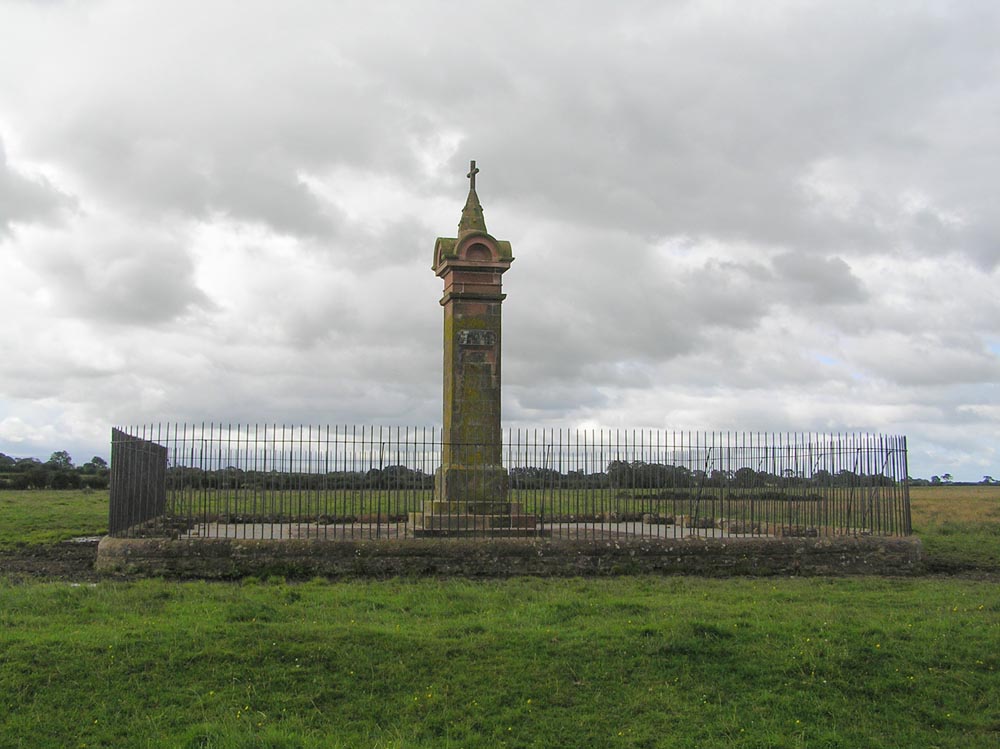
The village occupies a site with deep historical layers. In Roman times there was a fort on or beside the Wall in this area, associated with the coastal defences of the province. In the medieval period the place is remembered as the location where King Edward I fell ill and died in 1307 while on campaign. Over the centuries the community developed around farming, coastal trade and services linked to nearby Carlisle.
Landmarks and character
Burgh by Sands retains several features of historical and local interest. The parish church of St Michael is notable for its age and for a leaning tower that contributes to the village’s distinctive silhouette. Fragments and earthworks relating to Roman and later periods are present in the surrounding landscape, reflecting the long continuity of occupation.
Administration and population
The village is part of the administrative area of City of Carlisle within Cumbria. According to the 2001 census the civil parish had a population of 1,143. Local governance is carried out by the parish council, with services provided through the district and county tiers of government.
Economy, access and attractions
The local economy remains largely rural, centred on agriculture and small businesses, while tourism draws visitors interested in Roman history, Hadrian's Wall walks and coastal scenery. The village is accessible by road from Carlisle and forms part of itineraries exploring the Solway coast and northern Roman frontier.
- Notable facts: Roman fort remains; medieval royal association; St Michael’s church with a leaning tower.
- Visitors: popular with walkers and heritage visitors exploring Hadrian’s Wall and the Solway Firth.
Tags
Related articles
Author
AlegsaOnline.com Burgh by Sands Leandro Alegsa
URL: https://en.alegsaonline.com/art/15413
Sources
- neighbourhood.statistics.gov.uk : Neighbourhood Statistics