
Clackmannanshire: small Scottish county and council area
Clackmannanshire is a compact council area and historic county in central Scotland, north of the River Forth. It includes Alloa, Clackmannan and Dollar and is noted for the Ochil Hills and several historic sites.
Clackmannanshire is a compact historic county and modern local authority in central Scotland. It sits immediately north of the River Forth, between the high ground of Perthshire to the north and the lowland peninsula of Fife to the south. Administratively it functions as a council area while retaining a distinct county identity that appears in cultural and ceremonial contexts; it is often noted as one of the smallest historic counties in Scotland and among the smallest in the United Kingdom.
Image gallery
10 Images

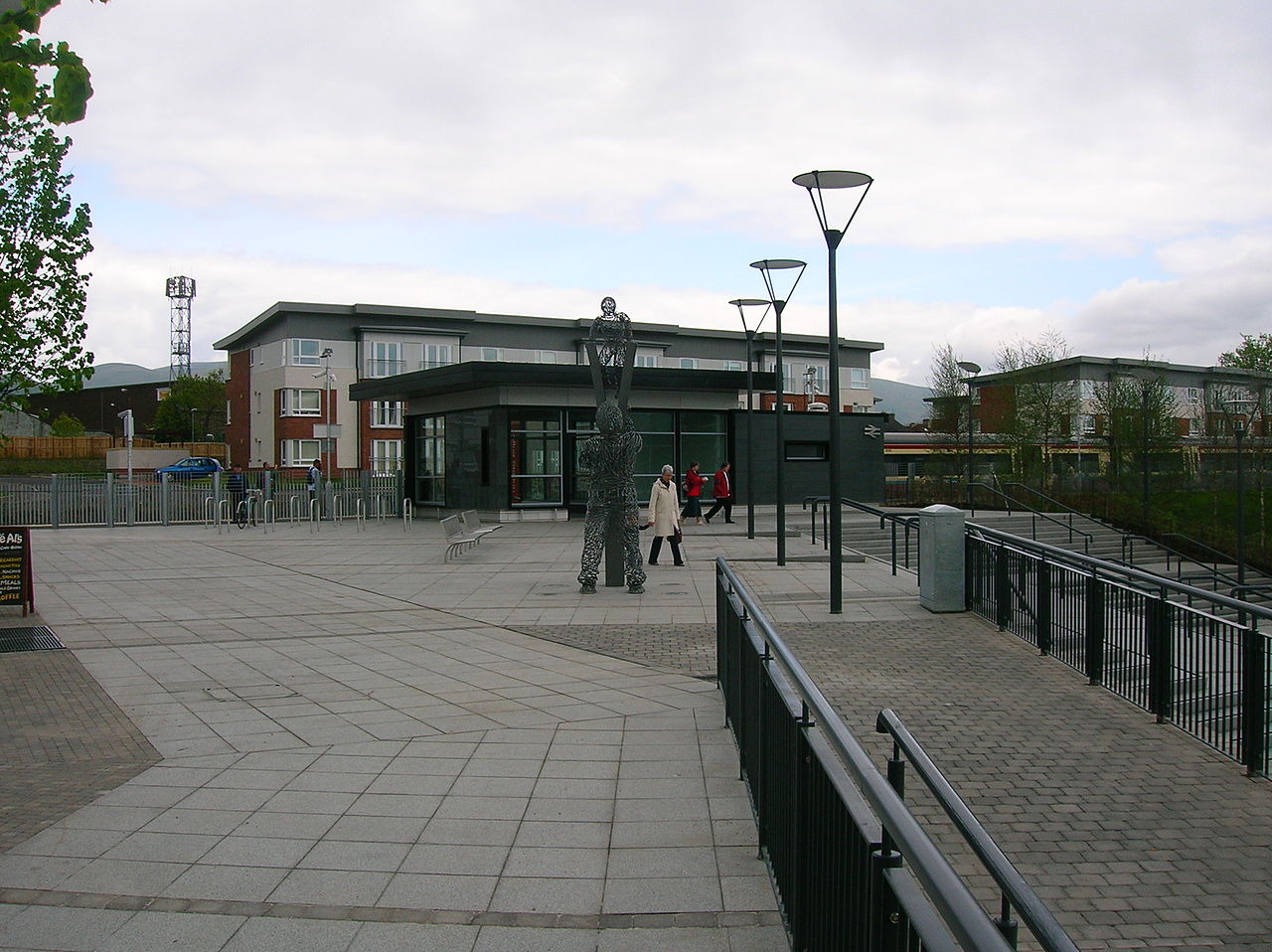


Geography and landscape
The area is defined by the steep slopes of the Ochil Hills to the north and the flatter agricultural and urban land beside the Forth to the south. Rivers and burns drain the hills into fertile valleys, and the relatively short distances between high ground and the river mean many settlements lie close to both upland and lowland environments. This compact mix of hill, strath and riverside gives the area a varied landscape popular with walkers, cyclists and day visitors.
History and development
Clackmannanshire has a long history of human settlement, agriculture and later industrial development. From medieval castles and market towns to the growth of textile mills, coal workings and breweries during the 18th and 19th centuries, the county played a role in Scotland's industrial story. Several historic buildings, including castle keeps and stately homes, survive and attract interest from visitors and local historians.
Towns, economy and attractions
- Clackmannan — the traditional county town with historic associations.
- Alloa — the largest town and administrative centre, historically linked with brewing, glass and harbour trade.
- Dollar — a town on the edge of the Ochils, near Castle Campbell and scenic glens.
Smaller communities such as Tillicoultry, Tullibody and Menstrie contribute to a mixed local economy of services, light industry, agriculture and tourism. Key visitor attractions include hill walks in the Ochils, castle ruins and riverside promenades. Proximity to larger centres such as Stirling and the Central Belt gives residents access to wider employment and transport links while maintaining a distinct local character.
Government, identity and notable facts
Today Clackmannanshire is governed by a single council responsible for local services. Its compact size has shaped a strong community identity and civic pride. Despite modern changes, the area retains visible traces of its industrial past alongside natural scenery and historic sites, making it both a residential district and a destination for short visits.
For further practical information about services, events and local heritage see council pages and visitor guides that cover the county's towns, walking routes and historical attractions.
Tags
Related articles
Author
AlegsaOnline.com Clackmannanshire: small Scottish county and council area Leandro Alegsa
URL: https://en.alegsaonline.com/art/20624