
Ayrshire — historic county and region on Scotland's west coast
Ayrshire is a historic county on Scotland's west coast, known for its coastline, towns such as Ayr and Kilmarnock, links golf, Robert Burns connections, and distinctive agricultural and industrial history.
Overview
Ayrshire is a historic county and coastal region on the west coast of Scotland. It has long been recognised for a mix of rural and urban landscapes: sandy and rocky seashores, river valleys and towns of varying size. The county town is Ayr, while larger urban centres include Kilmarnock and the town of Irvine. These settlements, together with smaller villages and farming communities, form the core of Ayrshire's social and economic life.
Image gallery
10 Images


Geography and settlements
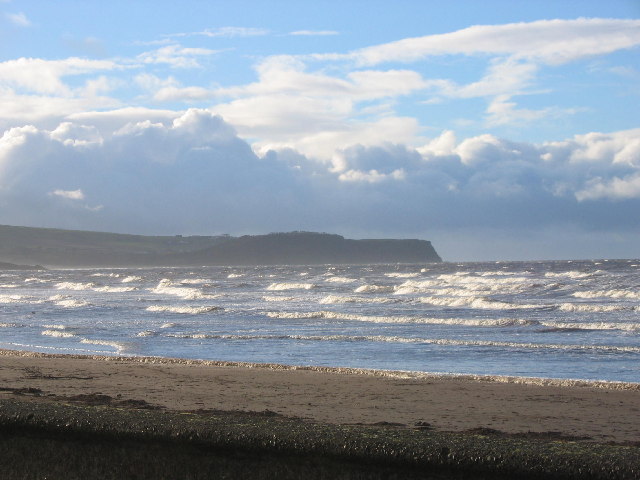
Ayrshire stretches along the Firth of Clyde and includes low coastal plains and rolling inland hills. Rivers such as the Ayr and the Irvine cut through the landscape, shaping agricultural land and historic transport routes. The coastline hosts several well-known links golf courses and seaside towns, while the interior contains farmland, pockets of forestry and former industrial sites. Modern administration divides the area between council authorities but its identity as Ayrshire persists in culture and place names.
Historical divisions
Historically the county was partitioned into three traditional districts, sometimes called bailieries or shires. These divisions helped define local governance and community identity:
- Cunninghame in the north, incorporating the royal burgh of Irvine and coastal communities.
- Kyle in the central belt, which included the royal burgh of Ayr and surrounding agricultural lands.
- Carrick in the south, a district with its own distinct coastal and rural character.
Development and economy
Ayrshire's economy has shifted over time. Agriculture—particularly dairy farming—has been important for centuries; the Ayrshire cattle breed, noted for hardiness and milking ability, takes its name from the county. Industrialisation brought coal mining, textiles and engineering to parts of Ayrshire in the 18th and 19th centuries, changing settlement patterns and creating urban communities around works and railways. In the late 20th century local government boundaries and responsibilities were reorganised, and today the area combines service industries, manufacturing, agriculture and tourism.
Culture, recreation and notable associations
Ayrshire has a rich cultural profile. It is closely associated with the national poet Robert Burns, who was born in the village of Alloway and drew inspiration from the local landscape and people. The county is also famed for world-class links golf courses such as Royal Troon and Prestwick, which have hosted major international tournaments. Coastal resorts, historic houses and festivals attract visitors, and local traditions remain strong in many communities.
Transport and modern significance
The region is linked by road and rail to the larger Scottish cities, supporting commuting and commerce. Ports and harbours on the Firth of Clyde have supported fishing, trade and leisure boating. Contemporary Ayrshire balances preservation of countryside and heritage with development pressures, making it an area of both historic interest and ongoing economic activity.
Distinguishing facts
Ayrshire's identity blends agriculture, maritime influences, industrial history and cultural heritage. Visitors and residents often note the strong links to Burns, the prominence of golf, and the distinctiveness of the three traditional districts—Cunninghame, Kyle and Carrick—which continue to shape how people think about the county.
Further information and local resources are available from regional guides and council sources: Ayrshire county overview, Scottish regional information, and individual town pages such as Ayr, Kilmarnock and Carrick.
Tags
Related articles
Author
AlegsaOnline.com Ayrshire — historic county and region on Scotland's west coast Leandro Alegsa
URL: https://en.alegsaonline.com/art/7888