
City of Joy — Dominique Lapierre’s account and its adaptation
A popular 1985 narrative by Dominique Lapierre about life in a Kolkata slum called the City of Joy; later adapted for film. Examines poverty, community resilience, characters, reception and legacy.
City of Joy is a narrative work first published in 1985 by French writer and journalist Dominique Lapierre. It portrays daily life in a densely populated urban settlement the author called the "City of Joy", a name that contrasts sharply with the extreme poverty the book describes. Lapierre interweaves reportage-style description with dramatized episodes to present portraits of struggle, dignity and solidarity.
Image gallery
1 Image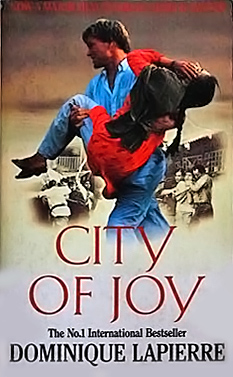
Setting and main characters
The story is set in a slum area of Kolkata, where families contend with overcrowding, disease and economic uncertainty. The narrative follows several central figures, among them a Catholic priest of Polish origin and a local rickshaw driver, whose friendship and personal journeys become a focal point for exploring wider social problems. The slum itself is presented almost as a character—its rhythms, informal economies and mutual aid networks shape the residents' lives. For background about such communities see the linked context on the slum and urban poverty.
Structure, themes and style
Lapierre blends journalism, oral testimony and novelistic scenes. Major themes include poverty, resilience, faith, migration and the informal labor represented by roles such as the rickshaw worker. The book emphasizes human solidarity in crisis, while also documenting institutional failures and the everyday realities that keep people trapped in hardship. It uses vivid character sketches to humanize statistical social problems.
Adaptation and reception
In the early 1990s the book was adapted for the screen by director Roland Joffé. The film brought wider international attention to the material but also prompted debate: supporters praised its emotional power and charitable attention to suffering, while some critics argued that any single narrative risks simplifying complex social and political causes. The Polish origin of one protagonist figures prominently in both versions and is noted in many commentaries on the work (Polish priest).
Impact and notable facts
- The book helped raise public awareness of urban poverty and inspired some readers and organizations to support relief efforts.
- It mixes factual reportage with dramatized storytelling, a choice that has been both credited for accessibility and criticized for blending fact and fiction.
- References to local institutions, community leaders and informal occupations help situate the reader in the city’s everyday life.
Today City of Joy is often cited in discussions of narrative journalism and advocacy writing: an example of how a popular narrative can bring distant hardships to wider attention while inviting scrutiny about representation and the responsibilities of writers who speak for marginalized communities.
Related articles
Author
AlegsaOnline.com City of Joy — Dominique Lapierre’s account and its adaptation Leandro Alegsa
URL: https://en.alegsaonline.com/art/20551